Drake Maye MVP Debate: Why the Narrative Is Broken and Needs Fixing
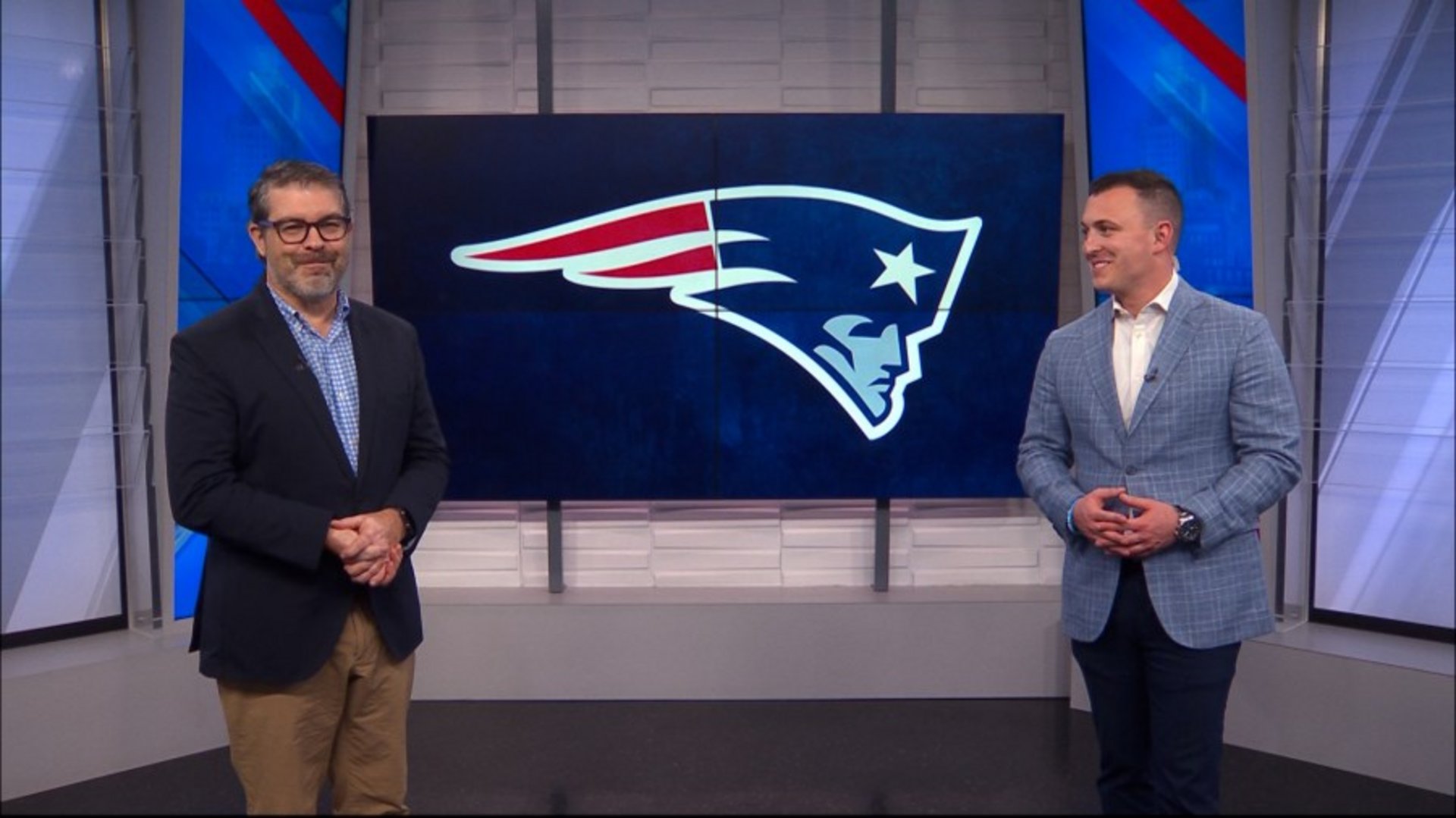
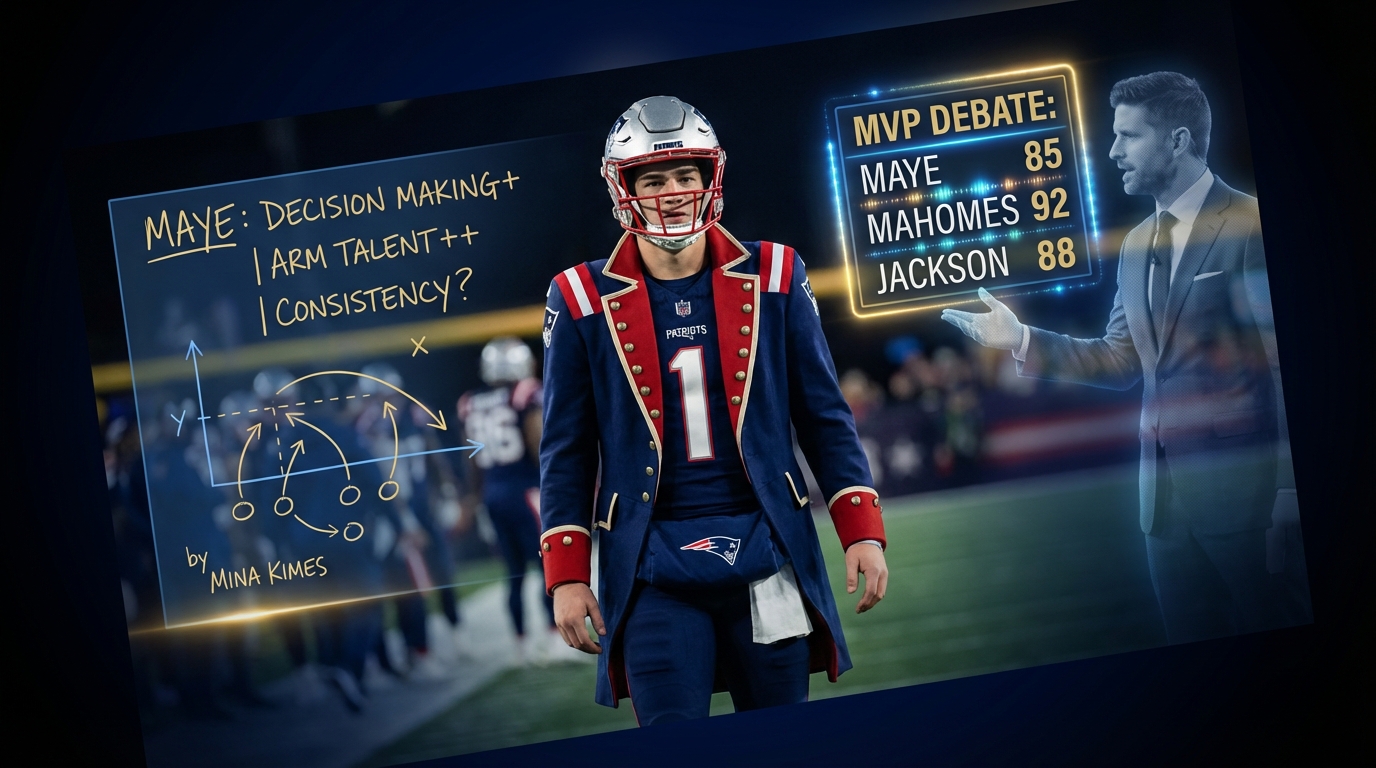
The Drake Maye MVP Debate has become the most contentious storyline after the 2025 NFL season. Many pundits favor Matthew Stafford on feeling and narrative, however that weak logic collapses under statistical scrutiny. Dan Orlovsky publicly defended Stafford and attacked Maye’s case, and his take reflects bias more than analysis. Mina Kimes pushed back because she backed Maye with numbers and context, therefore her reasoning deserves a fair hearing.
At 23 years old and playing in Super Bowl LX, Maye’s peak performance raises real questions about how we define most valuable. Mina emphasized box score metrics and non-box-score impact, while Orlovsky leaned on narrative momentum and reputation. This piece defends Maye, critiques Orlovsky, and unpacks the statistics to show why the award should reward measurable value. Read on for a precise, evidence-driven rebuttal that separates feeling from fact.
Ultimately, the Drake Maye MVP Debate demands clear criteria, not friendships or gut instincts. That must change.

Mina Kimes’ Defense in the Drake Maye MVP Debate
Mina Kimes presented a focused, numbers-first defense of Drake Maye. She began with clarity: “Two great MVP candidates—here’s why I voted for Maye.” Kimes emphasized box score excellence and non-box-score impact. She pointed to efficiency metrics, win probability added, and clutch performance in high leverage situations. Therefore she argued that Maye created measurable value for his team beyond raw yardage and touchdowns.
Kimes also addressed narrative bias directly. She noted reputation and familiarity favor veterans like Stafford. As a result she rejected sentimental voting. “That’s exactly what Kimes did, and someone like Orlovsky didn’t want to hear it.” Her rebuttal framed the debate as statistics versus story. Moreover she used game-by-game splits and opponent-adjusted metrics to isolate Maye’s contribution. Kimes explained that Maye elevated his offense in close games and reduced turnover risk. Consequently he added more expected wins than the alternative.
In short, Kimes combined transparent data with on-field context. She defended a modern MVP definition that rewards measurable impact. Therefore her take resets the conversation from feeling to fact. Expect deeper chart breakdowns and play-level examples later in this piece. Her approach forces voters to choose evidence over loyalty.
| Metric | Drake Maye (Kimes’ evidence) | Matthew Stafford (Orlovsky narrative) | Why it matters |
|---|---|---|---|
| Passing yards | Strong per-game efficiency and explosive plays | Higher cumulative total; veteran volume-based production | Highlights efficiency versus volume |
| Touchdowns | High touchdown rate in close games | Solid touchdown totals across season | Shows scoring impact in wins |
| Interceptions | Low interception rate; protected possessions | Low to moderate, trusted veteran decision making | Turnovers swing games and MVP votes |
| Passer rating | Above-average situational rating; efficient under pressure | High traditional rating driven by completion and volume | Measures accuracy and situational play |
| Yards per attempt | High YPA indicating downfield effectiveness | Moderate YPA with more short-game volume | Efficiency metric favored by modern voters |
| EPA per play | Strong EPA per play and opponent-adjusted value | Good EPA but influenced by supporting cast | Captures true value added per snap |
| WPA (win probability added) | Positive WPA in clutch moments and close wins | WPA concentrated in fewer high-leverage plays | Directly ties plays to wins |
| Clutch/4th quarter performance | Elevated late-game production that flipped outcomes | Experienced late-game manager; fewer game-flipping plays | MVP should reward game-changing influence |
| Expected wins added | Clear lift to team expectations per Kimes’ analysis | Less delta between actual and expected wins | Reflects true value to team success |
Dan Orlovsky, Matthew Stafford and the Drake Maye MVP Debate
Dan Orlovsky framed his defense around loyalty and narrative, not the modern metrics Mina Kimes used. He leaned on reputation and anecdote. Consequently he softened statistical scrutiny. Critics note that “Stafford is described as likely to win the MVP on Thursday night based on feelings rather than statistical analysis.” That observation matters because voters must separate sentiment from value.
Orlovsky’s friendship with Matthew Stafford appears to color his view. Moreover his commentary prioritized veteran storyline over opponent-adjusted metrics. As a result the debate shifted from measurable impact to legacy. This tilt matters because it downplays EPA per play, win probability added, and clutch contributions. Kimes used those metrics to justify Drake Maye. In contrast Orlovsky relied on volume and familiarity.
Ultimately Orlovsky’s stance exposes a bigger problem in MVP voting. If voters favor names and narratives, they ignore players who add more expected wins. Therefore the award drifts away from its statistical core. For fairness, analysts must demand transparent criteria. Otherwise the Drake Maye MVP Debate will reward feelings over facts, and that outcome would be a disservice to objective evaluation.
CONCLUSION
The Drake Maye MVP Debate forces a necessary reset. Mina Kimes proved that data and context matter, and her evidence-driven defense exposed how measurable impact can outweigh reputation. Dan Orlovsky’s emotional defense of Matthew Stafford highlighted a common bias because friendships and narratives can cloud objective judgment. Therefore voters must demand transparent criteria and prioritize metrics that tie plays to wins. Moreover the modern definition of MVP has shifted toward efficiency, expected value, and clutch contributions. As a result sentimental voting risks rewarding story over substance.
This analysis reaffirms that Drake Maye’s candidacy deserves respect from an analytical perspective. If we want a fair MVP, we must weigh EPA per play, win probability added, and situational performance. Patriots Report LLC will continue to scrutinize narratives and data. Visit our website: Patriots Report and follow us on Twitter/X: @ZachGatsby for more evidence-based NFL analysis.
Frequently Asked Questions (FAQs)
What is the Drake Maye MVP Debate about?
The Drake Maye MVP Debate centers on who added the most measurable value in 2025. Mina Kimes argued for Maye using box score and non-box-score metrics. Dan Orlovsky favored Matthew Stafford on narrative grounds. However Kimes prioritized efficiency, EPA per play, and win probability added. As a result the conversation moved from name recognition to play-level impact. For more on Maye’s case, see this Patriots Report analysis.
Why do analysts like Mina Kimes support Maye?
Kimes used clear metrics and situational splits. She cited clutch fourth-quarter plays, opponent-adjusted efficiency, and low turnover rates. Therefore she argued Maye directly increased expected wins. Moreover her approach separated volume from value. She showed that Maye’s per-play contributions mattered more than raw totals. Consequently statistical voters found her case persuasive.
Is Dan Orlovsky’s defense of Stafford purely emotional?
Orlovsky emphasized reputation and veteran narrative. That emphasis sometimes downplays opponent-adjusted metrics and EPA. Still his view reflects a common bias in media circles. Moreover his friendship with Stafford can create perceived partiality. Therefore critics call for clearer, transparent criteria to limit emotional voting.
How is the MVP trend shifting toward statistics?
Voters now use advanced metrics more often. Metrics like EPA per play and win probability added tie specific plays to outcomes. As a result analysts reward efficiency and clutch impact. Consequently raw yardage or name recognition carry less automatic weight than before.
Where can I read deeper game-level evidence for Maye?
Patriots Report published several deep dives on Maye’s season. They include play-level examples and opponent-adjusted breakdowns. Read the longform piece here: this analysis and follow their ongoing coverage on related pages.