
How does Anfernee Jennings step up after Landry setback?
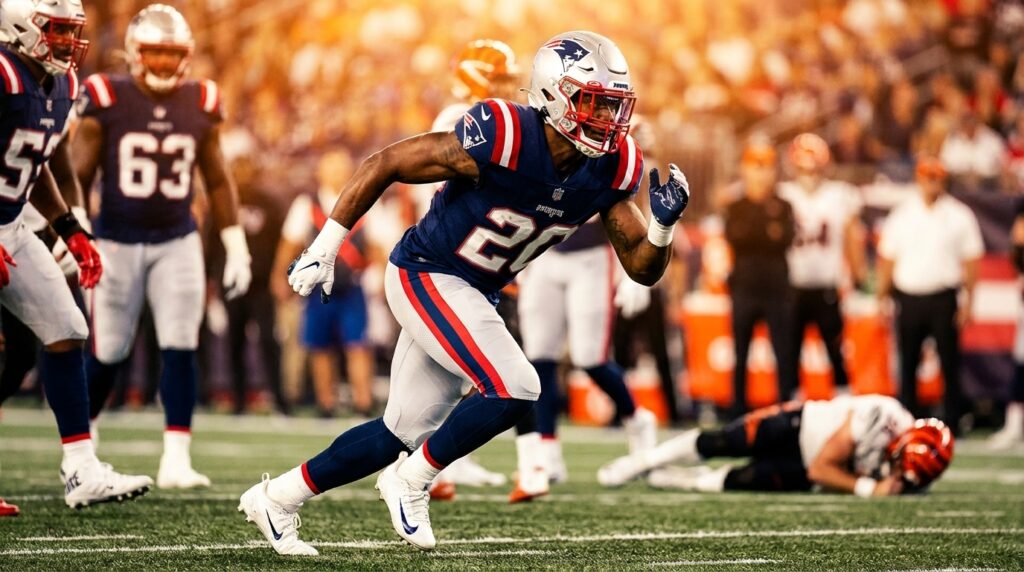
Anfernee Jennings steps up for Patriots after Harold Landry setback
Jennings seizes the sudden chance to flip his 2025 narrative. Landry’s recent injury left a clear void on the edge, and coaches needed reliable production. Jennings answered those needs on game day, and his preseason burst against the Vikings hinted at this role.
In Week 2 of the preseason, he notched three sacks and a 21 percent pressure rate, which turned heads. Since then, he climbed to a 9.2 percent season pressure rate. Moreover, his four-game stretch shows a 12.5 percent pressure rate, reflecting growth. He also posted an 82.1 PFF grade and an 85.6 run defense mark, which speaks to consistency.
Because the Patriots built edge depth, Jennings still faces competition from Landry, K’Lavon Chaisson, and others. However, his snap counts trended up, peaking at 39 against the Jets, and coaches rewarded him with trust. His low cap hit and roster status add trade value, therefore this hot streak matters beyond the box score.
As a result, this article will analyze snaps trends, pressure rates, grades, and roster math to set expectations. In short, we frame an optimistic but measured case for why Jennings matters now.
Patriots edge depth and Week 2 preseason breakout
The Patriots have poured resources into edge depth with Harold Landry and K’Lavon Chaisson leading the way. However, Anfernee Jennings grabbed attention with a preseason explosion. In Week 2 preseason, he recorded three sacks and four stops against the Vikings. That game came with a 21 percent pressure rate, which forced coaches to take notice because he showed sudden impact.
Key metrics and breakout numbers
- Week 2 preseason: three sacks, four stops, 21 percent pressure rate
- Season pressure rate: 9.2 percent, highest since his rookie season
- Last four games: 12.5 percent pressure rate, each with 20 plus snaps
- First nine games: 15.1 snaps per game, two games of 20 plus snaps, 7.3 percent pressure rate
- Last four games: 26.3 snaps per game, four games of 20 plus snaps
- Season high snaps: 39 versus the Jets
- PFF marks: 82.1 overall grade and 85.6 run defense grade
The Week 2 preseason performance created a clear baseline for Jennings. Because the roster already features Landry and Chaisson, he still faces stiff competition. Even so, he now forces more rotation and more meaningful snaps. Therefore, his rising pressure rate and grades matter for playing time and roster math. As a result, teams will watch closely because Jennings mixes pass rush and run defense in ways that translate to real value.
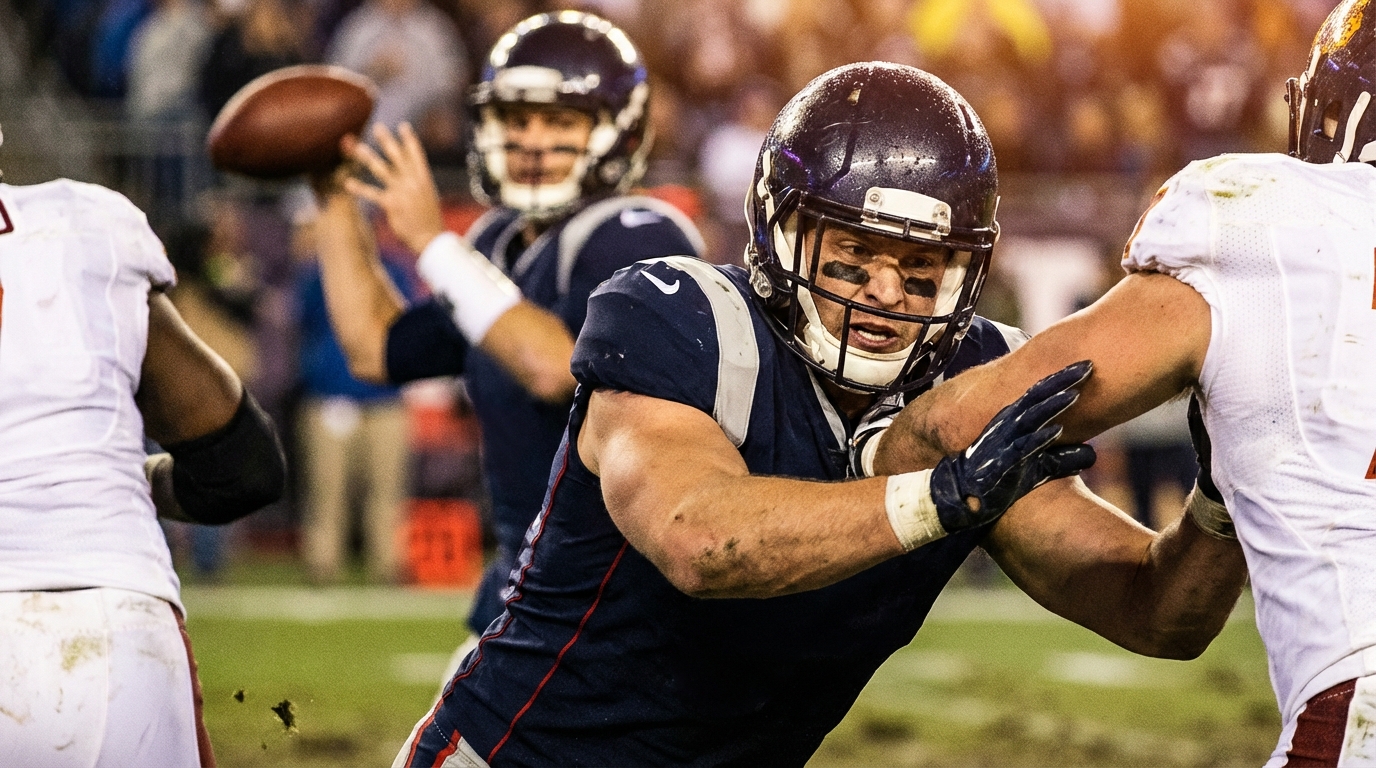
Anfernee Jennings steps up for Patriots after Harold Landry setback: Snap and pressure analysis
Early in the season Jennings saw light usage. In his first nine games he averaged 15.1 snaps per game and posted a 7.3 percent pressure rate. However his role changed in recent weeks as coaches trusted him with more snaps.
Key snap and pressure comparisons
- Early stretch and baseline
- 15.1 snaps per game over first nine games
- Two games with 20 plus snaps
- 7.3 percent pressure rate
- Recent surge across last four games
- 26.3 snaps per game
- Four games with 20 plus snaps
- 12.5 percent pressure rate
- Notable single game
- Season high 39 snaps versus the Jets
- 82.1 overall PFF grade and 85.6 run defense grade
This jump matters because Jennings became more than a situational pass rusher. As a result his per snap effectiveness improved. He doubled down on pressure opportunities when given consistent playing time. Moreover the pressure rate rising from 7.3 to 12.5 percent shows real growth in pass rush impact.
Coaches rewarded him with extended snaps against the Jets, which produced his season high in playing time. Therefore his PFF grades tracked that increase, with an 82.1 overall and an 85.6 run defense mark. Because the Patriots already have depth at the edge, Jennings still faces rotation. However his recent snap and pressure trends argue for continued opportunities and higher trade or roster value moving forward.
| Player | Sack and notes | Pressure rate | Recent snap role | Run defense grade | Notable recent achievement |
|---|---|---|---|---|---|
| Anfernee Jennings | Preseason 3 sacks; season role expanded | Season 9.2%; last 4 games 12.5% | Early 15.1 snaps/game; last 4: 26.3; season high 39 vs Jets | 85.6 run defense grade; 82.1 overall PFF | Week 2 preseason breakout; consistent recent snaps |
| Harold Landry | Veteran starter | N/A | Regular starter; currently sidelined by setback | N/A | Strong campaign before setback |
| K’Lavon Chaisson | Starter/rotational | N/A | Key rotational starter | N/A | Solid season performance |
| Elijah Ponder | 3 sacks this season | N/A | Rotational pass rusher | N/A | Notched three sacks |
| Bradyn Swinson | Increased snaps recently | N/A | Seeing more snaps | N/A | Snap count uptick |
Anfernee Jennings steps up for Patriots after Harold Landry setback, proving depth matters. Jennings turned a preseason surge into consistent production. Over recent weeks he logged bigger snap totals and higher pressure rates. Coaches rewarded him with sustained opportunities and a season high 39 snaps against the Jets. In addition his 82.1 PFF overall grade and 85.6 run defense mark show tangible improvement. Because Landry’s setback opened minutes, Jennings converted them into impact plays. Therefore his rising role carries roster and trade implications. With a low cap hit the team could free salary, which increases his market value. However the Patriots keep strong competition at the edge. Ultimately this run positions Jennings as a rotation leader and a possible trade chip.
For more analysis follow Patriots Report LLC at Patriots Report LLC and on Twitter X @ZachGatsby. Expect teams to monitor his tape closely before trade deadline decisions are finalized this offseason.
Frequently Asked Questions (FAQs)
What changed for Anfernee Jennings after Harold Landry’s setback?
Landry’s setback opened immediate snaps and reps. Jennings received more playing time and situational chances. He moved from 15.1 snaps per game to 26.3 snaps per game. Consequently his pressure rate rose from 7.3 percent to 12.5 percent. Coaches also trusted him with a season high 39 snaps against the Jets. Therefore his role shifted from backup to impactful rotation piece.
Is Jennings a starter or a rotational defender now?
He remains a rotational edge rusher for now. However his recent snap spikes show coach confidence. Jennings offered consistent pass rush and strong run defense. His 82.1 PFF overall grade supports that claim. Moreover he logged an 85.6 run defense grade, which is elite for his role. As a result he should see continued 20 plus snap games.
How do Jennings’ stats stack against Patriots edge depth?
Jennings now competes with Landry and Chaisson for snaps. He also outpaced Elijah Ponder in pressure opportunities recently. His last four games feature the highest pressure rate since his rookie year. In addition his Week 2 preseason burst showed three sacks and a 21 percent pressure rate. Therefore he blends pass rush and run defense more than a pure situational player.
Does Jennings have trade value or roster risk?
Yes to both. He carries trade value because the team could save roughly eighty percent of his contract if released. Therefore contenders will notice his low cost and recent tape. However the depth at the edge creates roster risk for him. In short his recent production raises market interest while also affecting his Patriots future.
What should fans watch for next?
Watch his snap counts and pressure rate. If they stay elevated his role will grow. Conversely a drop would reopen trade discussions. For now expect steady rotation snaps and more tape for evaluators.