
Will A.J. Brown trade rumors involving the Patriots materialize?
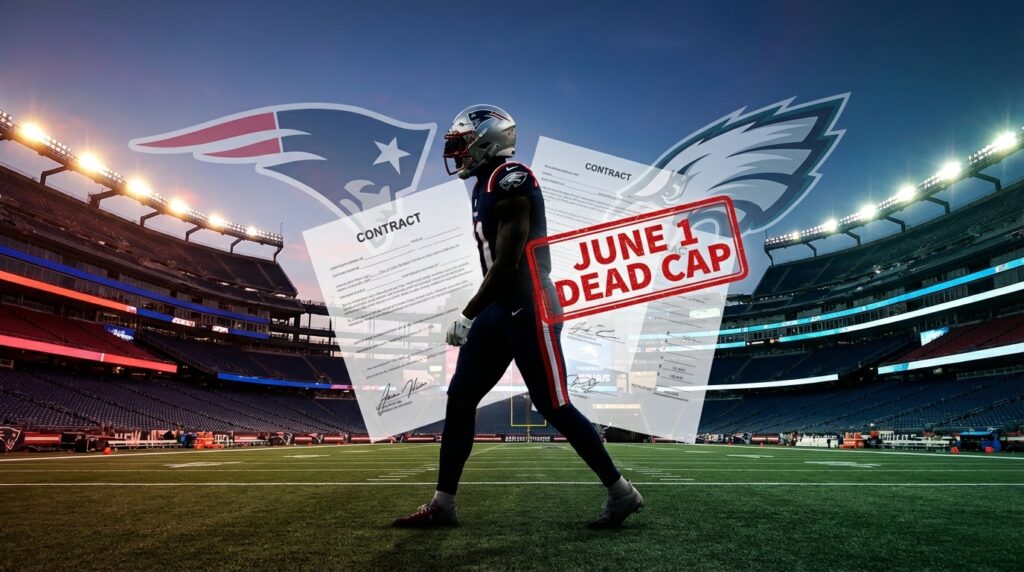
A.J. Brown trade rumors involving the Patriots have dominated headlines and social feeds this offseason. Because New England could add an immediate No 1 receiver, fans and analysts keep debating the cost. However, rumor and reality often diverge, so this piece separates the two.
The significance goes beyond a single signing because Brown would reshape the Patriots offense instantly. As a result, roster moves, the draft strategy at pick 31, and salary cap math would all change. Dead cap implications mean any trade likely waits until after June 1, which complicates planning. For example, trading Brown before June 1 would saddle the Eagles with massive dead money. By contrast, a post June 1 deal reduces that burden and delays the final move. Therefore, New England faces tradeoffs between trading up, signing free agents, or drafting a receiver. New England could also re-sign Stefon Diggs, pursue other free agent receivers, or target a rookie at 31.
Readers should care because this potential move affects wins, roster flexibility, and the Patriots long term direction. Below we unpack the facts, the rumor mechanics, and the cap reality to show what is plausible and what is hype.
A.J. Brown trade rumors involving the Patriots: Dead cap and context
The A.J. Brown trade chatter has layers beyond scouting and fits. Because money drives NFL moves, dead cap calculations often dictate timing. Adam Schefter noted there is no secret handshake to move Brown to New England, which matters for how teams negotiate and report rumors. For context and analysis, see this PatriotsReport piece: A.J. Brown Trade Offer.
Why June 1 matters and how the dead money math shapes any deal
- Trading Brown before June 1 would create roughly $43.5 million in dead money for the Eagles. Therefore, that option would be a heavy immediate cap hit for Philadelphia.
- Moving Brown after June 1 drops that dead money to about $16.353 million. As a result, the Eagles would prefer a post June 1 transaction.
- Because of that split, any realistic trade would likely be delayed until after June 1. Consequently, teams like the Patriots cannot finalize a deal quickly without systemic cap effects.
- In practice, the timetable affects New England’s draft decision at pick 31. Therefore, the team must weigh trading for Brown against drafting or signing other receivers.
Expert context and competing views
Greg Bedard has argued he would rather trade up in round one than pursue Brown via trade. However, other analysts see New England as a logical landing spot. Because dead cap drives the timing, rumors will persist until the June 1 window closes. For further reading on Patriots offseason moves and the trade landscape, consult this PatriotsReport article: Patriots Offseason Moves and Rumors.
This section clarifies why salary rules make a headline signing unlikely to close immediately. Therefore, separate the noise from the pieces that actually change the Patriots roster plans.

| Option | Estimated Cost | Impact on Cap Space | Risk | Potential Benefits |
|---|---|---|---|---|
| Trade for A.J. Brown | Very high — first round pick plus players and Brown salary | High immediate cap hit; timing likely tied to June 1 dead cap window | High — expensive draft capital and injury or fit risk | Immediate elite No 1 receiver; big offensive upgrade now |
| Trade up in first round | High — surrendering future picks to move up | Moderate short term cap impact thanks to rookie scale | Medium — prospect uncertainty but lower cost than veteran trade | Cheaper cap control; long team control of a top rookie |
| Sign Stefon Diggs (veteran FA) | High annual salary and guaranteed money | High cap charge but more controllable than trade assets | Medium — age and contract length concerns | Proven production and immediate chemistry potential |
| Sign mid tier free agents | Moderate cost; shorter guarantees | Moderate cap impact; flexible roster moves | Low to medium — performance variance among signings | Fills need cheaply; maintains draft assets and flexibility |
| Draft KC Concepcion at 31 | Low cost on rookie contract | Low cap hit under rookie wage scale | Medium to high — rookie transition and ceiling uncertainty | High upside on cheap deal; long term team control |
| Draft Romeo Doubs later | Low rookie cost | Low cap hit | Medium — depends on draft slot and development | Possibility of starter value with low financial risk |
Expert takes on A.J. Brown trade rumors involving the Patriots
Adam Schefter has pushed back on “under‑the‑table” chatter. He said, “There’s no under‑the‑table, to my knowledge, handshake agreement between the two sides to get A.J. Brown to New England despite the rumors.” Therefore, Schefter’s view reduces the likelihood of a done deal behind closed doors. As a result, teams must negotiate publicly and follow cap windows.
Greg Bedard offers a contrasting strategic view. He prefers trading up in round one rather than surrendering picks and assets for Brown. Bedard argues that draft capital buys controlled, inexpensive years of team control. Consequently, his take highlights the cost side of the ledger.
Other analysts emphasize roster alternatives. Some note New England could re sign Stefon Diggs, pursue veteran free agents, or draft a receiver at 31. For context on how Patriots moves fit the bigger picture, see this PatriotsReport analysis and this report on the Brown offer.
Cap analysts add practical constraints. Because trading Brown before June 1 would spike the Eagles’ dead money, teams expect a post June 1 resolution. For a primer on dead cap mechanics, consult OverTheCap. Therefore, the timing alone can stall a headline trade, even if interest exists.
In short, experts split between immediate upgrade and fiscal prudence. However, most agree timing and cap math make any blockbuster unlikely to close quickly. As a result, expect continued speculation until the June 1 window passes.
A.J. Brown trade rumors involving the Patriots remain largely speculative while cap math and timing govern real options. However, the dead money calculus and June 1 rule make an immediate blockbuster unlikely. We outlined why New England must balance draft capital, salary flexibility, and the desire for instant impact.
Teams face clear tradeoffs: pay now for a proven No 1 or build cheaply through the draft and free agency. Trading for Brown would cost picks and salary, while drafting or signing mid tier receivers preserves cap flexibility and roster control. Therefore, the Patriots must weigh short term gains against long term team control.
For ongoing coverage, consult Patriots Report LLC at patriotsreport.com. Also follow their X account at ZachGatsby for quick updates and analysis. In short, treat reports as speculative until deals clear the cap hurdles. As a result, expect more negotiation drama and cautious roster planning through the offseason.
Frequently Asked Questions (FAQs)
Will A.J. Brown be traded to the Patriots?
Status: Speculative and unconfirmed.
Insider notes: Adam Schefter says there is no under the table handshake.
Expectation: Rumors will continue until cap timing, especially the June 1 window, clarifies the situation.
When would a trade likely happen?
Timing: Most realistic after June 1 to reduce the Eagles’ dead money.
Why it matters: Pre June 1 trade creates a far larger immediate cap hit for Philadelphia.
What are the Patriots alternatives to a Brown trade?
Options: Re sign Stefon Diggs; sign veteran free agents; target mid tier free agents; draft at 31.
Tradeoff: Alternatives preserve draft capital and cap flexibility.
How would a Brown trade affect the Patriots draft pick at 31?
Impact: New England might surrender pick 31 or other assets to complete a deal.
If retained: Pick 31 can add a rookie on a low cost contract.
What do experts say about feasibility and value?
Split views: Some favor immediate upgrade, others prefer fiscal prudence and draft control.
Key notes: Schefter skeptical of a done deal; Greg Bedard prefers trading up in round one.
Would a June 1 deadline affect the Patriots’ cap space?
Short answer: Indirectly yes.
Why: Post June 1 reduces the Eagles’ dead money which makes a trade more likely; Patriots’ own cap hit depends on how the acquiring contract is structured.
What assets would the Patriots likely give up to trade for A.J. Brown?
Likely cost: A first round pick plus players or high draft capital in a package.
Reason: Brown is a proven elite receiver so teams generally demand top picks and built in salary relief for the seller.