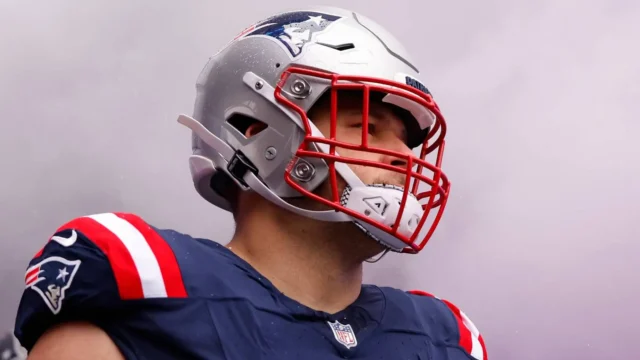
Rumors are heating up around a possible blockbuster move. Specifically, the A.J. Brown trade framework between Eagles and Patriots has surfaced in multiple reports. The chatter blends rumor with analysis, because insiders claim a framework already exists. However, ambiguity remains over final terms and timing. This piece examines the likely trade terms, the salary cap impact, and roster implications.
We will parse reported draft pick asks, dead cap math, and June 1 nuances. As a result, readers gain clarity on how New England could absorb Brown’s contract. We also weigh Patriots cap flexibility against what Philadelphia would lose. Meanwhile, the piece flags scenarios where the deal stalls or expands. In short, this is rumor-driven reporting paired with careful cap math. Therefore, expect speculation and concrete analysis to appear together throughout.
Read on to see possible trade structures and what it would mean for both teams. We will reference credible reporting and explain remaining unknowns. Ultimately, the goal is to help fans sort rumor from realistic trade possibility.
A.J. Brown trade framework between Eagles and Patriots
Reporters now describe a concrete framework for a blockbuster move. My understanding is the framework is in place for a trade to be made early next week that will make A.J. Brown a Patriot. However, the exact terms still need work. As a result, this section breaks down the likely trade terms and the salary math that could determine the deal’s timing.
Trade terms and draft compensation
Broadly, the Eagles appear to want premium draft capital. For example, Philadelphia could seek a 2027 first-round pick and possibly a 2028 first-rounder. Meanwhile, New England reportedly resists surrendering a first-round pick. The Patriots, the most likely destination — we’ll see if someone else arises — but the Patriots, the most likely destination, are not willing to give up a first-round pick as of right now. Therefore, expect negotiation around mid-round picks, player salary offsets, or conditional swaps.
For readers who want a deep dive on the context and trade calculus, see this PatriotsReport piece on the pick-versus-trade debate: PatriotsReport on Trade Debate.
Dead cap hit and salary cap implications
The June 1 designation changes everything for the Eagles’ cap. Pre-June 1, Philadelphia would absorb a $43.5 million dead cap hit. However, Brown would count $20.06 million against the Eagles’ cap in that scenario. By contrast, a post-June 1 deal drops the dead cap to $16 million. That shift frees $7.04 million in immediate cap space for Philadelphia.
Because of that math, timing matters. If the teams finalize a trade after June 1, the Eagles take a smaller dead hit. Meanwhile, the Patriots must consider how Brown’s contract affects their own cap structure. They would need room or creative structuring to add his salary. As a result, New England’s willingness to move assets will hinge on both draft price and cap flexibility.
Reporter context and remaining unknowns
Breer added that he believes the deal would likely happen unless someone pulls out. He said, “The exact terms, the details, I still think there are some things to be worked out there. But I think it would sort of take someone backing out at this point, whether it’s the Eagles or the Patriots, for it not to happen.” Meanwhile, sources relayed Rapoport’s assessment that it would take somebody backing out to stop the trade. Keep in mind other teams have floated as possible suitors, so the landscape could shift quickly.
For broader reporting on the personnel and cap background see Sports Illustrated and NFL site for league rule context.

A.J. Brown trade framework between Eagles and Patriots — comparative table
| Component | Details | Team Insights |
|---|---|---|
| 2027 first-round pick | Possible core ask from Philadelphia as primary compensation | Eagles value top pick; meanwhile, Patriots reportedly reluctant to use a first-rounder |
| 2028 first-round pick | Additionally, possible sweetener in some reports | May be requested if Patriots resist a single first; increases negotiation cost |
| Dead cap hit (pre-June 1) | $43.5 million dead cap; Brown would count $20.06 million toward Eagles’ salary cap | Therefore, a pre-June 1 hit is punishing and motivates delay |
| Dead cap hit (post-June 1) | $16 million dead cap for Eagles | As a result, reduces Eagles’ penalty and frees roster flexibility |
| Cap space freed | Post-June 1 timing frees $7.04 million for the Eagles | Consequently, that money could be used for free agents or depth signings |
| Patriots interest | Reported as leading suitor; however, unwilling to give up a first-round pick as of now | Therefore, New England must balance salary cap and draft cost; may offer mid-round picks or players |
| Other suitors | Bills, Ravens, Rams mentioned as alternatives in reports | Consequently, competition could change price or timing and keep Patriots’ leverage |
How A.J. Brown could reshape the New England Patriots roster
Acquiring A.J. Brown would change the Patriots’ game plan immediately. Brown brings alpha receiver traits, and New England would likely rework target distribution. Because he demands defensive attention, opposing teams would open up the field for other skill players. As a result, the Patriots could adjust route concepts and personnel groupings to maximize his strengths.
Impact on Stefon Diggs and wide receiver strategy
Stefon Diggs has appeared in rumor threads as a potential free-agent re-sign. However, landing Brown would reduce urgency around a big Diggs contract. Therefore, the Patriots might prioritize complementary players rather than another clear number one. Meanwhile, New England could pursue cheaper depth pieces, slot specialists, or a versatile tight end. That approach would preserve cap space while maintaining a potent passing attack.
Roster moves and draft adjustments
If the trade uses significant draft capital, the Patriots might shift draft strategy. For example, they could move down in certain rounds, because they would have a veteran top target already. Conversely, New England might target offensive line help in free agency. That move would protect the quarterback and justify the trade. Additionally, the team could look for a playmaking slot receiver to pair with Brown.
Wider roster effects and youth development
Brown’s arrival would affect younger wide receivers and the depth chart. It could limit snaps for developing players, although coaches often rotate to get matchups. Because the Eagles drafted Makai Lemon to replace Brown, note that top college prospects exist to fill lost roles. Consequently, Patriots coaches would weigh long term development against immediate playoff windows.
Final strategic notes
In short, the New England Patriots would balance cap reality against roster upgrades. Therefore, expect a mix of short-term signings and long-term draft planning. Meanwhile, the team’s final moves will depend on the traded assets and salary implications discussed earlier in this piece.
CONCLUSION
The A.J. Brown trade framework between Eagles and Patriots remains a fluid but credible storyline. Reporters say a framework exists, yet final terms still need work. The trade hinges on draft compensation and salary cap timing. Pre-June 1 dead cap would saddle Philadelphia with a $43.5 million hit, with Brown counting $20.06 million. However, a post-June 1 deal reduces the dead cap to $16 million and frees $7.04 million. Therefore, timing alters incentives for both clubs.
For New England, willingness to part with picks depends on cap flexibility and roster impact. If the Patriots avoid a first-rounder, they may offer mid-round picks or players instead. Meanwhile, the Eagles could press for 2027 and perhaps 2028 first-round picks. As a result, expect negotiation around conditional swaps and salary offsets.
This analysis blends rumor and concrete cap math to help readers separate likely outcomes. For continued coverage and source context see Patriots Report LLC and follow Twitter X @ZachGatsby. Ultimately, the market will decide if this framework becomes a finalized trade.
Frequently Asked Questions (FAQs)
What is the A.J. Brown trade framework between Eagles and Patriots?
The framework refers to reported terms and timing that could move A.J. Brown from Philadelphia to New England. Reporters say a basic structure exists, but the details still need work. It centers on draft compensation, salary offsets, and whether the trade occurs before or after June 1. Therefore, the framework matters because it guides negotiating leverage for both teams.
How does the June 1 deadline affect salary cap and dead cap hit?
Timing drives the dead cap math and room for moves. Pre-June 1, Philadelphia would carry a $43.5 million dead cap hit and Brown would count $20.06 million on the Eagles’ cap. However, if the trade occurs after June 1, the dead cap drops to $16 million. As a result, the Eagles would free $7.04 million in immediate cap space.
What draft compensation might the Eagles seek?
Philadelphia likely wants premium picks, such as a 2027 first-rounder and possibly a 2028 first. Meanwhile, the Patriots reportedly resist giving up a first-round pick. Consequently, teams might trade mid-round picks, conditional swaps, or players to close the gap. This negotiation will shape whether the framework becomes a finalized deal.
How would A.J. Brown change the Patriots roster and related moves?
Adding Brown would shift target distribution and open up the field for other playmakers. Because he commands attention, New England might reduce urgency to re-sign Stefon Diggs. Therefore, the Patriots could chase complementary slot help or offensive line upgrades instead. Meanwhile, the Eagles have already drafted Makai Lemon to replace Brown, which underscores the roster domino effect.
What is the realistic timeline and likelihood of this trade?
Insiders say the framework is in place, yet the deal still needs final tweaks. Reporters suggest it could clear quickly unless a party withdraws. However, New England’s reluctance to surrender a first-round pick could slow progress. Monitor reports closely, because competitor interest could still alter the outcome.