A.J. Brown trade fallout: How One Move Rewrote the Patriots’ Offseason
The A.J. Brown trade fallout hit New England like a thunderclap, reshaping plans and priorities across the roster. Patriots sent future draft capital for an All Pro. The team now faces new choices about money, depth, and the receiver room. This is not a minor tweak; it is a seismic shift that turns long term picks into immediate star power.
Because A.J. Brown arrives as the clear number one receiver, he changes how Drake Maye and the playbook look. However, Brown carries medical questions and an age profile that demand smart roster balance. Therefore, the front office must now choose where to spend, cut, or parcel out snaps.
As a result, the rest of the offseason no longer reads the same. Trades, signings, and draft targets moved up or down the board because of this deal. The fallout forces a blend of optimism and caution. In the sections that follow, we break down each move and explain how Brown’s arrival remade New England’s offseason blueprint.
A.J. Brown trade fallout: Strategic ripple effects
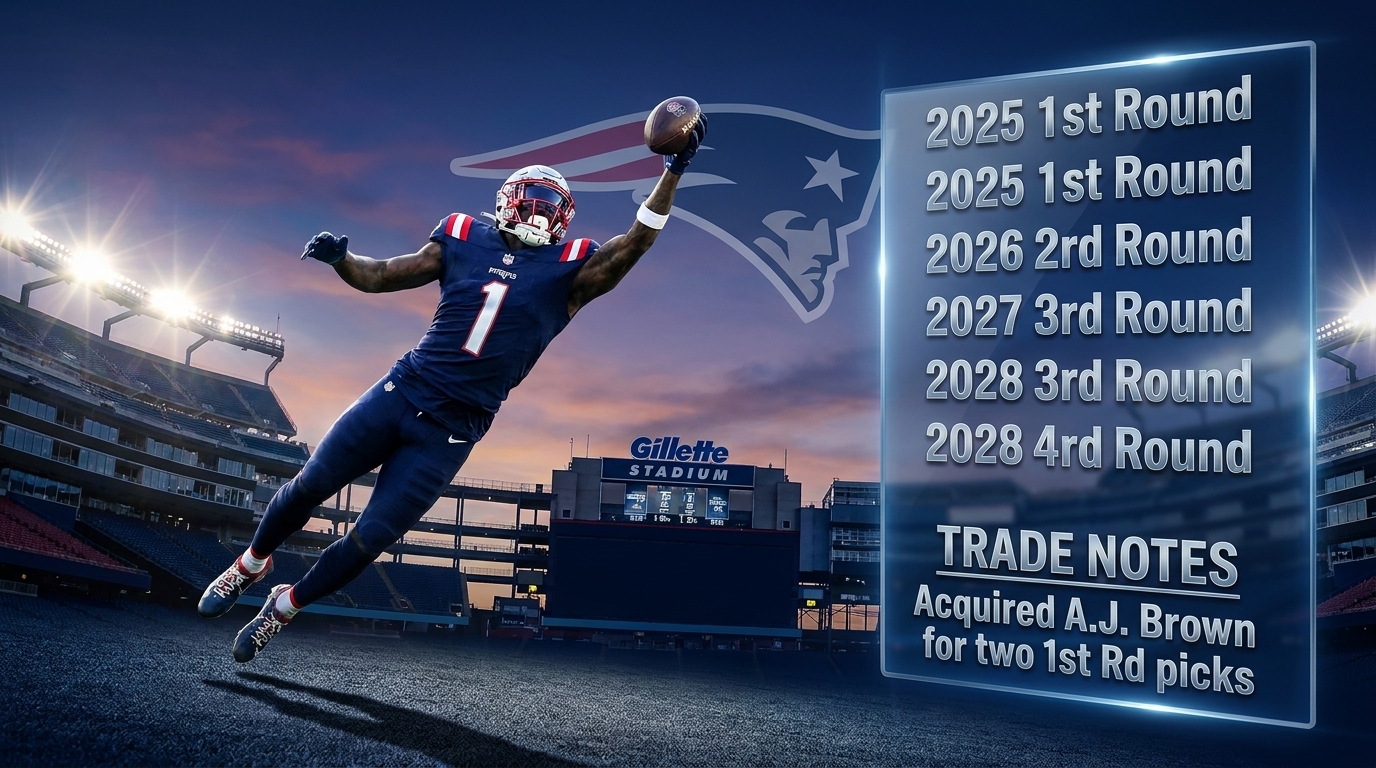
The A.J. Brown trade fallout forced the Patriots to redesign their roster map. Because New England surrendered a 2028 first-round pick and a 2027 fifth-rounder, the front office now balances immediate upgrades with future flexibility. Howie Roseman’s dealmaking in Philadelphia set the price. However, Mike Vrabel and the coaching staff inherit new expectations for offense design.
Key strategic implications
- Immediate talent infusion: Brown gives Drake Maye a proven No. 1 target. As a result, the passing game can expand vertically and in contested-catch scenarios.
- Draft capital shift: Sending a 2028 first-round pick pushes future asset planning down the road. Therefore, New England must weigh later drafts against present contention windows.
- Salary and roster math: The trade frees and redistributes cap space, because returning money or reallocating it matters for depth signings.
- Injury and medical risk: Rams pulled out due to Brown’s medicals, which highlights durability concerns. However, Brown’s 1,000-yard history eases performance fears.
- Locker room and leadership: Howie Roseman’s comments suggest mutual respect between teams. Meanwhile, Mike Vrabel gains a veteran piece who alters practice reps and playcalling.
For more context on rumors and roster impacts see these PatriotsReport pieces: A.J. Brown Trade Rumors, A.J. Brown Trade Update, A.J. Brown WR Room Analysis.
A.J. Brown trade fallout: How the offense and receiver room shift
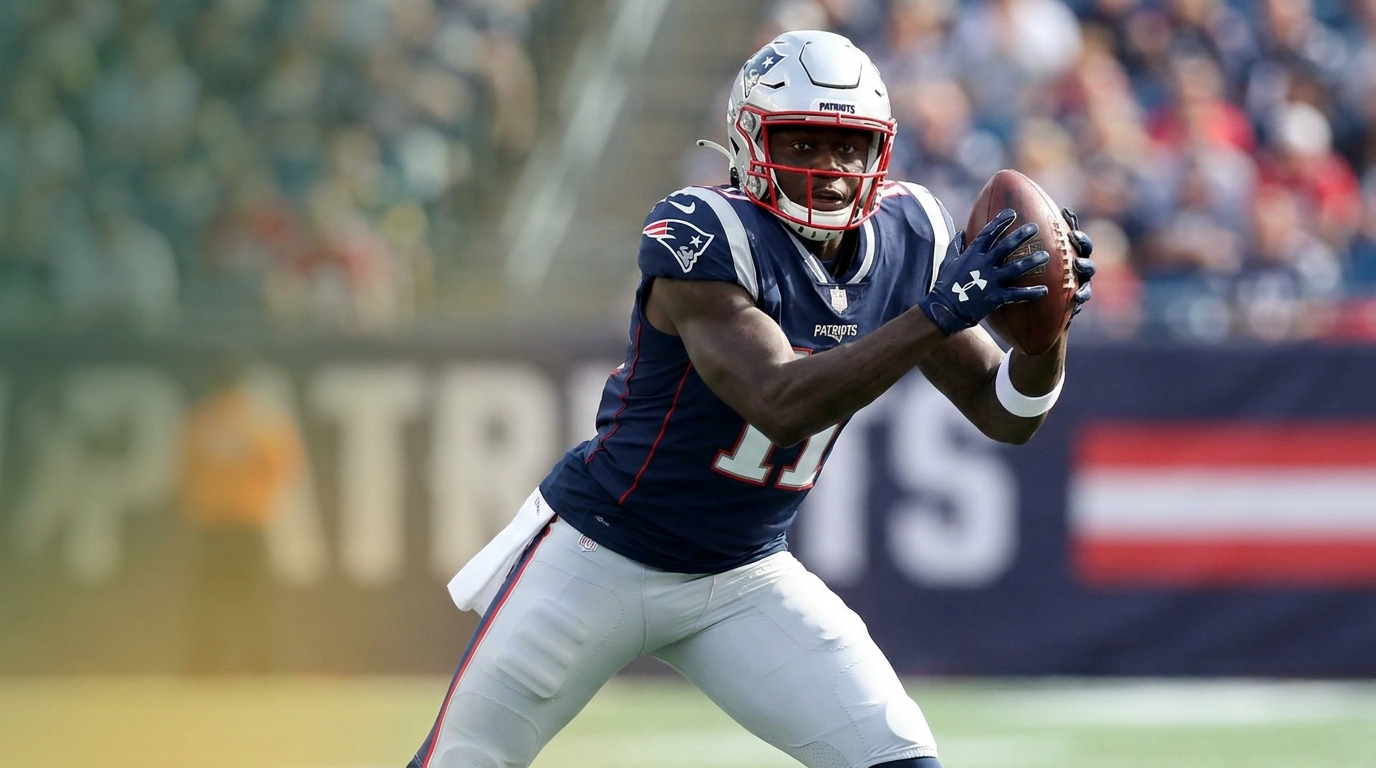
The A.J. Brown trade fallout changes New England’s offensive identity. Because Brown arrives as a proven No. 1, the Patriots will tilt schemes toward contested catches and vertical drives. However, that shift forces role changes for existing receivers.
Mike Vrabel inherits a veteran target who demands coverage attention and alters practice reps. Meanwhile, Drake Maye gains a reliable go-to on third downs and in the red zone. Therefore, playcalling can expand, and quarterback reads simplify in critical moments.
What changes on a practical level
- Route tree expansion: Brown’s contested-catch skillset opens up seam and fade concepts. As a result, the offense can attack bigger zones downfield.
- Snap distribution: Young receivers like Kayshon Boutte must adjust. Additionally, the team may use more two tight end sets to exploit mismatches.
- Third-down efficiency: Brown improves conversion odds on longer downs because defenders must respect his catch radius.
- Red zone production: His track record of 1,000-yard seasons suggests consistent scoring potential.
- Coaching priorities: Vrabel and offensive staff now balance Brown’s usage with depth preservation. Therefore, practice plans and playbooks will change.
Patience matters because Brown carries medical questions. However, his six 1,000-yard campaigns give New England a clear top target and an instant offensive multiplier.
A.J. Brown trade fallout: Assets exchanged and team benefits
| Team | Assets Sent | Assets Received | Strategic benefits | Key risks |
|---|---|---|---|---|
| New England Patriots | 2028 first-round pick; 2027 fifth-rounder | A.J. Brown (three-time Pro Bowler; age 29) | Instant No. 1 receiver; boosts Drake Maye and third-down efficiency; improves red zone scoring | Less future draft capital; medical concerns (knee history); age and long-term cap implications |
| Philadelphia Eagles | A.J. Brown | 2028 first-round pick; 2027 fifth-rounder | Regains valuable picks for long-term building; creates salary flexibility; two first-rounders in 2028 expand options | Lose a proven top target; potential short-term offensive decline; must replace leadership and chemistry |
CONCLUSION
The A.J. Brown trade fallout leaves the Patriots with a clear short-term upgrade and a defined long-term trade-off. Because New England gave up a 2028 first-round pick and a 2027 fifth-rounder, it surrendered future draft flexibility. However, the team gained an elite No. 1 target who can change game plans immediately.
Brown’s six 1,000-yard seasons and contested-catch skills provide instant offensive upside. Yet concerns remain. The Rams backed out of talks over medicals, and Brown carries a knee history. Therefore, the Patriots must manage usage and cap allocation carefully to protect depth.
What to watch going forward
- Roster balance: Expect New England to prioritize depth and affordable pieces in free agency.
- Draft strategy: Teams will push later picks into targeted positions because a 2028 first is gone.
- Timeline: Drake Maye benefits now, and the contention window may accelerate because of Brown’s presence.
Ultimately, the move pushes New England from a patient rebuild toward an aggressive win-now posture. For continued coverage and analysis, follow Patriots Report LLC at patriotsreport.com and on Twitter X at @ZachGatsby for updates and context.
Frequently Asked Questions (FAQs)
What does the A.J. Brown trade fallout mean for New England’s draft capital?
The deal cost the Patriots a 2028 first-round pick and a 2027 fifth-rounder. Because the first-rounder is two years away, New England delayed some flexibility. However, the team gained an immediate elite receiver. As a result, front office strategy will mix win-now moves with targeted depth additions.
Should fans worry about Brown’s medical history?
Teams debated his medicals, and the Rams left talks. Brown missed six of 68 regular season games with the Eagles. He insists the knee is fine, saying he is ready to play. Still, the Patriots must manage snaps and recovery. Therefore, cautious usage seems likely early on.
How will Brown affect Drake Maye and playcalling?
Brown becomes the clear No.1 target. This simplifies reads and boosts third-down success and red zone scoring. Coaches can open more vertical concepts because Brown wins contested catches.
What about existing receivers and roster depth?
Young receivers will see role changes. Kayshon Boutte and others may move to slot or situational roles. Meanwhile, New England may chase affordable depth in free agency. The front office must protect the roster against injury.
Is this move win-now or long-term planning?
It is both. The trade accelerates a win-now window. However, it trades future picks, so long-term planning must adjust. Ultimately, patience and smart roster building will matter.