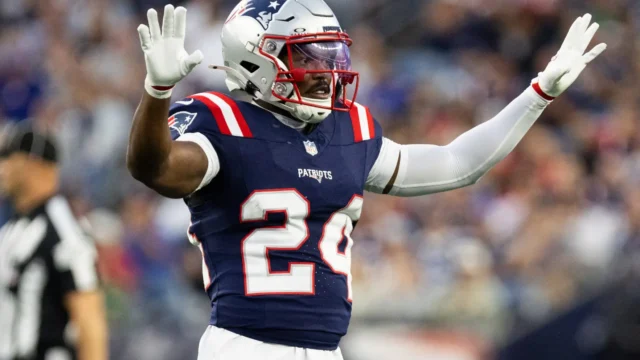
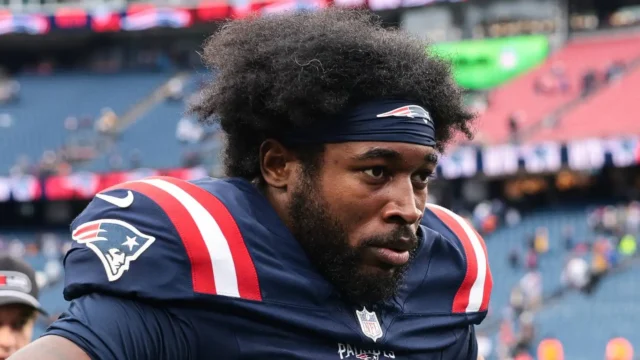
A.J. Brown trade between Eagles and Patriots has dominated offseason chatter, and it could reshape New England’s offense. Rumors and reporting point to tense negotiations over draft capital, contract timing, and which picks change hands. Because June 1 affects salary cap accounting, teams weigh immediate roster impact against long term draft value.
At the center sits A.J. Brown, a 29-year-old Pro Bowler whose production and Super Bowl experience matter. However, the Eagles reportedly asked for future first round compensation, including a 2028 selection, according to reporting. Howie Roseman’s comfort with trading picks years ahead complicates talks, and that dynamic sets the price.
For New England, a Brown acquisition would flip receiver depth charts and add a ready alpha target for the quarterback. Therefore front office planners must weigh draft capital loss against instant playoff upside and roster insurance needs. Stay with this story as we unpack negotiating levers, pick options, and what A.J. Brown could mean for Patriots identity.
A.J. Brown trade between Eagles and Patriots: Negotiation players
The talks center on two men and their timelines. Howie Roseman holds leverage for Philadelphia because he can ask for future draft capital. Mike Vrabel and New England’s front office must decide how much capital they will surrender. Ian Rapoport cautioned, “An official Brown-to-New England move is not guaranteed to be in place when it is first feasible to be finalized.” Therefore the sides move slowly and deliberately.
Reports show the Eagles value long term picks. Albert Breer wrote that Philadelphia discussed a 2028 first round pick earlier this offseason. As a result, New England has pushed back with offers tied to nearer term selections and conditional protections. For context, the 2027 draft class carries heavy weight. Consequently, both teams must weigh present roster impact against future draft value.
A.J. Brown trade between Eagles and Patriots: Timing and pick options
June 1 matters because it affects contract absorption and salary cap accounting. If the Patriots finalize a trade before June 1, their bookkeeping differs from a deal completed afterward. Therefore timing can change the perceived cost on New England’s cap sheet.
The pick options discussed include a 2027 first, a 2027 second, and a 2028 first, plus lower round swaps for protection. Some coverage suggests the Eagles asked for a 2028 first, while the Patriots prefer a 2027-heavy package. For deeper analysis, see PatriotsReport’s breakdown of what a Brown trade would cost and its effect on New England’s roster. Also read the update that explores how the move could redefine the Patriots offense: Patriots Update. For context on roster construction and risk, review this take on whether the rumors are worth the risk: Patriots Rumors Review.
For third-party background on contract timing and cap rules, check the NFL’s official resources at NFL Resources and a primer on trade timing at ESPN Trade Timing.
| Metric | A.J. Brown (Philadelphia Eagles) | Notes |
|---|---|---|
| Receiving yards (four seasons) | 5,034 | Accumulated over four seasons with the Eagles |
| Receiving touchdowns (four seasons) | 32 | |
| Pro Bowl appearances | 3 | Three-time Pro Bowler |
| Age | 29 (next month) | Veteran in prime years |
| Key achievement | Super Bowl LIX champion | Contributed in the Eagles title run |
| 2027 first-round pick | Patriots alternative offer | Patriots prefer a 2027-heavy package |
| 2027 second-round pick | Possible inclusion for balance | Common trade sweetener |
| 2028 first-round pick | Reportedly discussed by Eagles | Albert Breer noted the 2028 pick was on the table |
| Conditional lower-round picks | 2028 fourth-round pick or protections | Used to protect both sides in trade |
A.J. Brown trade between Eagles and Patriots: Strategic and roster implications
A.J. Brown would alter New England’s offense immediately. Because Brown is a physical, contested-catch receiver, he changes route concepts and play design. Mike Vrabel can use Brown as a true alpha target. As a result, defenses must account for him on every snap, which should open space for underneath routes and tight end work.
Depth concerns loom if the Patriots acquire Brown. Trading for him would push receivers like Kendrick Bourne, Kayshon Boutte, and DeVante Parker down the pecking order, and leaves guys such as JuJu Smith-Schuster, Demario Douglas, Kayshon Lemon, and Hollywood Brown to round out the room. One observer warned, “Depth. Trading brown leaves Smith, Lemon, Hollywood Brown, Wicks, as your primary guys. Anyone gets hurt its a pretty thin core.” Therefore New England must consider adding a mid-round receiver or keeping draft capital to plug holes.
Scheme fit and coaching matter. Mike Vrabel’s staff can leverage Brown’s contested-catch ability on critical downs and in the red zone. Moreover Vrabel could design more play-action and seam concepts to free him on vertical routes. Because Brown has 5,034 receiving yards and 32 touchdowns in four seasons, he brings proven production that can shorten the team’s rebuild window.
Risk versus reward frames the decision. The Patriots would surrender valuable draft capital, and that cost may hamper long-term roster building. However adding a three-time Pro Bowler who helped win Super Bowl LIX offers instant top-end receiving talent. In short, New England must balance draft capital preservation with the chance to add a dominant number one receiver.
The A.J. Brown trade between Eagles and Patriots remains uncertain but meaningful. Negotiations hinge on draft capital, June 1 contract timing, and Howie Roseman’s willingness to ask for future picks. As a result both sides move carefully. Ian Rapoport’s warning that a deal may not be immediate underscores that reality.
For New England the upside is obvious because Brown is a three-time Pro Bowler with 5,034 yards and 32 touchdowns for the Eagles. Mike Vrabel would gain a true alpha receiver who can change game plans and free other targets. However the Patriots must weigh that gain against depth concerns and the cost of draft picks.
In short the trade remains a high-risk, high-reward scenario. Patriots Report LLC will keep updating this story and parsing offers. For the latest coverage visit Patriots Report and follow updates on Twitter/X at @ZachGatsby. Stay tuned as talks evolve and the picture clarifies.
Frequently Asked Questions
What is the current status of the A.J. Brown trade between Eagles and Patriots?
Talks remain active but unresolved. Howie Roseman and Patriots decision-makers continue negotiating pick compensation. June 1 affects contract absorption and influences timing. Ian Rapoport cautioned a deal may not be immediate. As a result expect updates as offers change.
What draft pick packages are on the table?
Reported options include a 2027 first, a 2027 second, and a 2028 first. Teams also discuss conditional lower-round picks for protections. Because Howie Roseman has traded future picks before, Philadelphia prefers long-term capital. Meanwhile New England favors a 2027-heavy package.
How would Brown affect the Patriots offense?
Brown brings elite contested-catch skills and proven production. He had 5,034 receiving yards and 32 touchdowns in four seasons. Mike Vrabel could design play-action and seam concepts to maximize Brown. However the trade raises depth concerns for supporting receivers.
What are the main risks and rewards?
Reward includes instant top-end receiver talent and Super Bowl experience. Risk includes losing valuable draft capital and a thinner receiver room. Therefore New England must weigh short-term win chances versus long-term roster building.
When will we know more and where to follow updates?
Watch progress around June 1 and through the offseason. For ongoing coverage check Patriots Report updates and social posts. Follow patriotsreport.com and Twitter/X @ZachGatsby for real-time reporting. Stay tuned to our analysis as negotiations develop, because each pick shift changes New England’s long term plan.