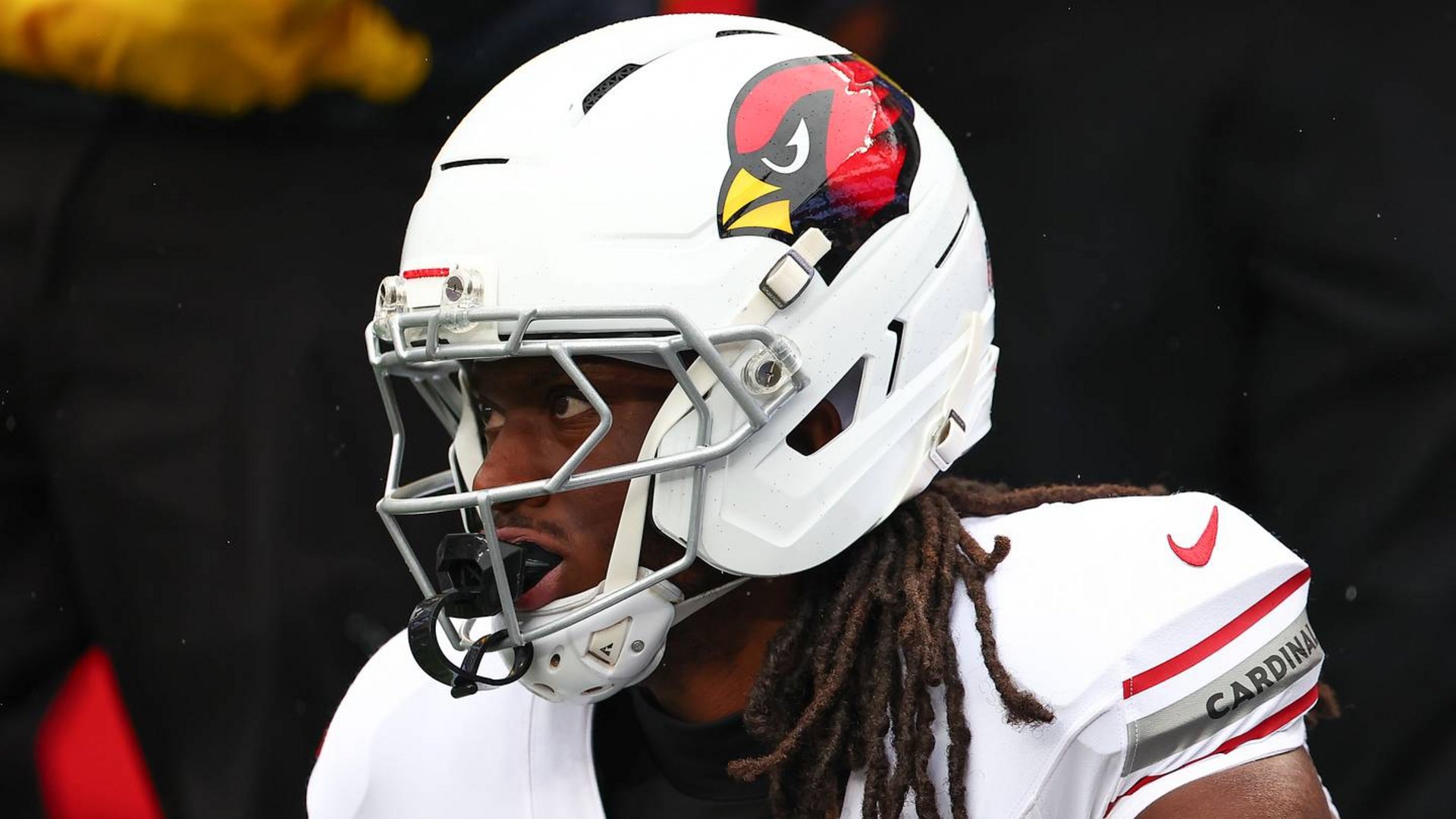
The reported Marvin Harrison Jr. trade between the Houston Texans and Arizona Cardinals puts a fresh spotlight on a Patriots connection that was never confirmed. New England was linked to the receiver after A.J. Brown suffered a high ankle sprain in Week 1, according to the source article, but it cited no official report showing that the Patriots pursued Harrison.
The reported deal gives Houston Harrison and sends draft capital to Arizona. One commentary article argues that New England may be better off not making a similar move. That is an opinion about the price and the player’s early production—not evidence that the Patriots made an offer, entered negotiations, or turned down a trade.
Marvin Harrison Jr. trade puts the Patriots link in perspective
The distinction matters: a player being discussed as a possible fit is not the same as a team confirming interest. The article says Harrison surfaced in trade conversation around New England after Brown’s injury, but also explicitly notes that no official reports confirmed the Patriots’ interest.
That makes the Patriots angle a matter of timing and speculation. Brown’s reported injury gave the discussion an immediate context, while Harrison’s profile invited questions about whether he could help an offense. Neither point establishes what New England evaluated internally or whether the team contacted Arizona.
For Patriots fans, the most reliable takeaway is narrow. Harrison was linked to New England in commentary, and a reported trade elsewhere prompted an argument that the Patriots avoided an expensive gamble. There is no confirmed Patriots pursuit in the material provided.
What Houston reportedly sent Arizona for Harrison
The source article reports that Houston sent Arizona a 2027 second-round pick and a sixth-round pick in exchange for Harrison and a future seventh-round selection. The wording and details below reflect that account; the supplied material does not include independent corroboration of the transaction terms.
In plain terms, the report describes Houston giving up two picks and receiving Harrison along with a later seventh-round selection. It does not provide additional details about conditions attached to the picks, so none should be assumed.
The commentary characterizes Houston’s package as a steep price and uses the word “fleeced” in its headline. That is an evaluative judgment, not an objective conclusion established by the reported terms alone. A trade’s value depends on how the player performs, how the teams use the picks, and what each club was trying to accomplish.
Why Harrison was linked to New England
The reported Patriots connection followed Brown’s high ankle sprain in Week 1. The source presents that injury as the reason New England returned to the wide receiver trade conversation, with Harrison among the names discussed. However, the account does not cite an official team statement or report confirming that the Patriots targeted him.
That timing can explain why fans and commentators considered Harrison a possible fit, but it cannot establish a front-office plan. It would be inaccurate to say New England made an offer, negotiated with Arizona, or chose not to trade for him based on the information supplied.
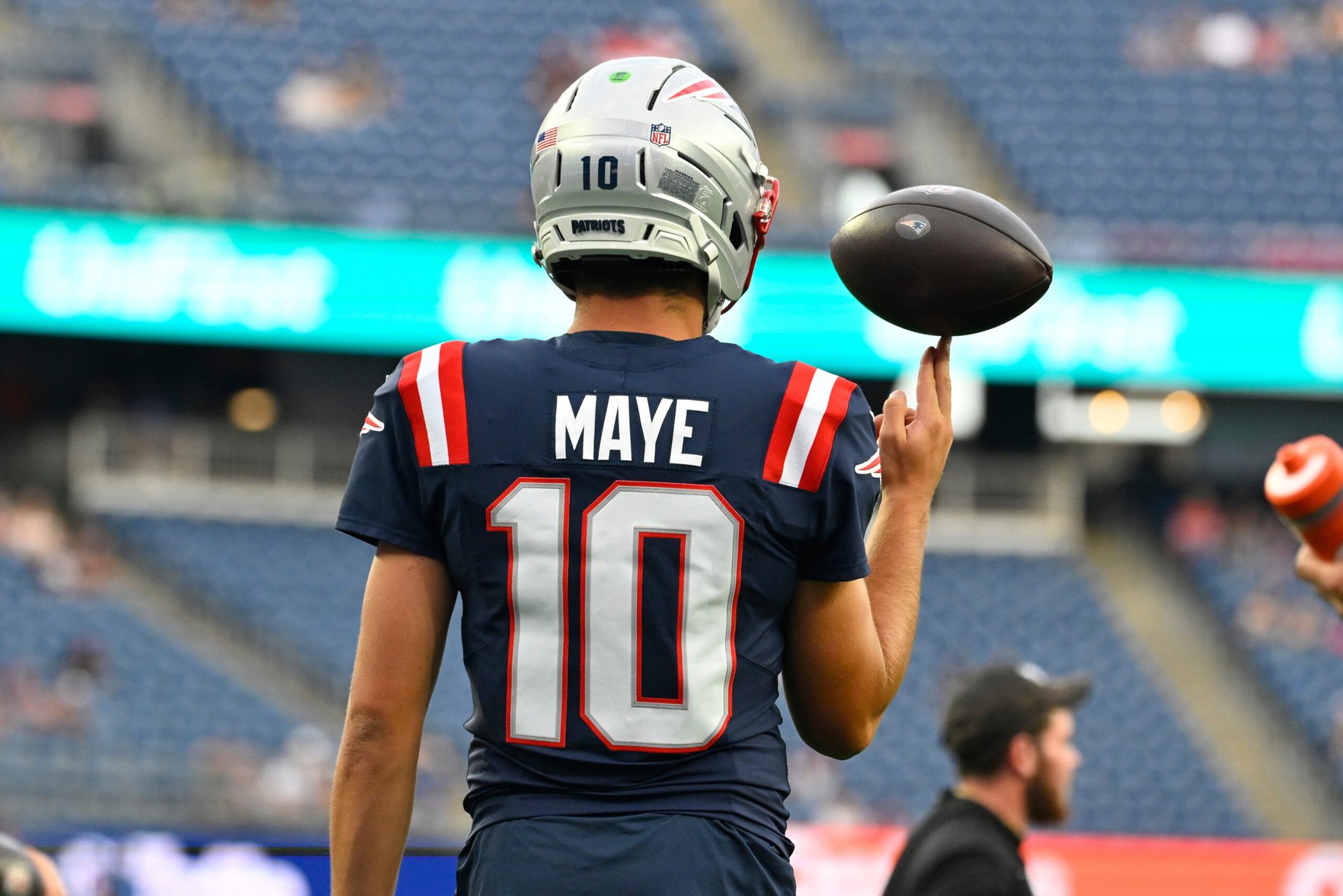
The piece also frames the idea around quarterback Drake Maye and the potential for a receiver to develop alongside him. That is a projection about how a hypothetical pairing might work, rather than a confirmed Patriots strategy. The article’s broader suggestion that Harrison suited what head coach Mike Vrabel wanted is likewise commentary, not a documented evaluation from the team.
Harrison’s reported production and Ohio State connection
The source says Harrison had recorded five catches for 85 yards and one touchdown in the season at the time the article was written. Those figures offer a snapshot, not a complete verdict on his ability or what he might produce after a change of team. The supplied material does not independently verify the statistics.
Harrison also has a past connection with C.J. Stroud. The article says they played together at Ohio State in 2021 and 2022, and reports that Harrison’s best college season included 77 receptions, 1,263 yards, and 14 touchdowns.
That history gives Houston a possible football rationale for wanting the reunion: familiarity between a quarterback and a former college target could be an appealing part of the move. But past college production and connection do not guarantee the same results in the NFL. Nor does the source provide evidence that the Texans’ move will succeed or fail.
The figures are most useful as context for the debate, not as a complete evaluation. The reported five-catch season line is a small sample as presented in the article, while the college numbers describe an earlier stage of Harrison’s career. Neither alone settles whether the draft-pick cost was justified.
Does the reported price make staying out a sensible outcome?
The source author’s central argument is that New England may be glad it did not pursue Harrison because Houston reportedly surrendered significant draft capital. It also questions whether Harrison would immediately improve in a different setting. Those are opinions about risk and value, not verified conclusions about the Patriots’ decision-making.
A second-round pick and a sixth-round pick can represent meaningful future options, but assessing their value requires more than naming the rounds. The supplied material gives no further information about the selections, the teams’ evaluations, or any possible negotiations. It therefore cannot support a firm judgment that Houston overpaid—or that New England would have made a mistake by acquiring Harrison.
There are arguments on both sides of a hypothetical deal. A team could value Harrison’s receiving potential and his connection with Stroud; a team could also prefer to retain its draft picks rather than commit them to a player whose production, as reported at the time, was limited. Those considerations explain the debate without turning speculation into a fact about either franchise.
For New England, the sensible conclusion is not that it definitely “avoided” a bad trade. The available account does not establish that the Patriots were in a position to make one. Instead, the reported price provides a useful lens for discussing how much draft capital a club might consider spending on a receiver.
What Patriots fans can—and cannot—conclude
Patriots fans can conclude that Harrison was linked to New England in the wake of Brown’s reported Week 1 injury, and that a separate report described Houston sending picks to Arizona for the receiver. They can also consider the source author’s view that staying out would have been preferable, while recognizing it as commentary.
They cannot conclude from the supplied material that the Patriots pursued Harrison, made a trade offer, negotiated with the Cardinals, or rejected a deal. Nor does the reported transaction establish New England’s future plans or change the status of its receiving options.
The trade terms and player statistics should remain attributed to the reporting until independently corroborated. For now, the Patriots angle is a rumor discussion—not confirmation of a team move. The original commentary and its reported claims are available at Musket Fire.