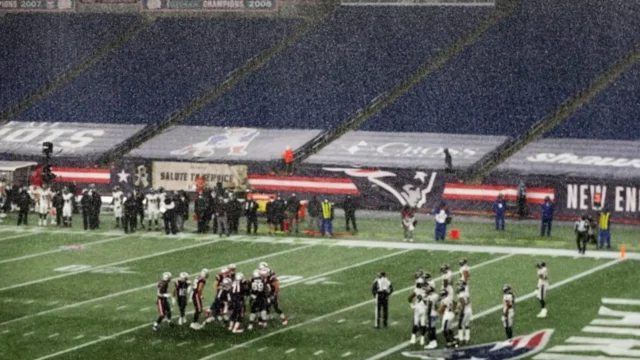
The Patriots home-opening victory vs. Steelers ended 20-3 at Gillette Stadium, a contest decided by a late scoop-and-score, sustained pass-rush pressure and several in-game injuries that reshaped New England’s depth in real time. Defensive execution — including a fourth-quarter fumble return for a touchdown — turned early mistakes into a control game for the home team.
Patriots home-opening victory vs. Steelers: Game-defining moments and scoring summary
The tone of the game shifted on New England’s opening drive when Rhamondre Stevenson lost a fumble, a turnover that handed Pittsburgh early field possession and momentum. The Patriots’ offense settled in after that early mistake and built field position through a mix of short passes and rushes, with a 30-yard field goal by Andy Borregales giving New England an early advantage.
Romeo Doubs provided the Patriots’ most explosive offensive play: a 63-yard reception that flipped field position and produced the team’s longest play of the day. That play helped sustain a methodical offensive approach that, despite the turnover and a late red-zone interception, kept the Steelers from sustaining momentum.
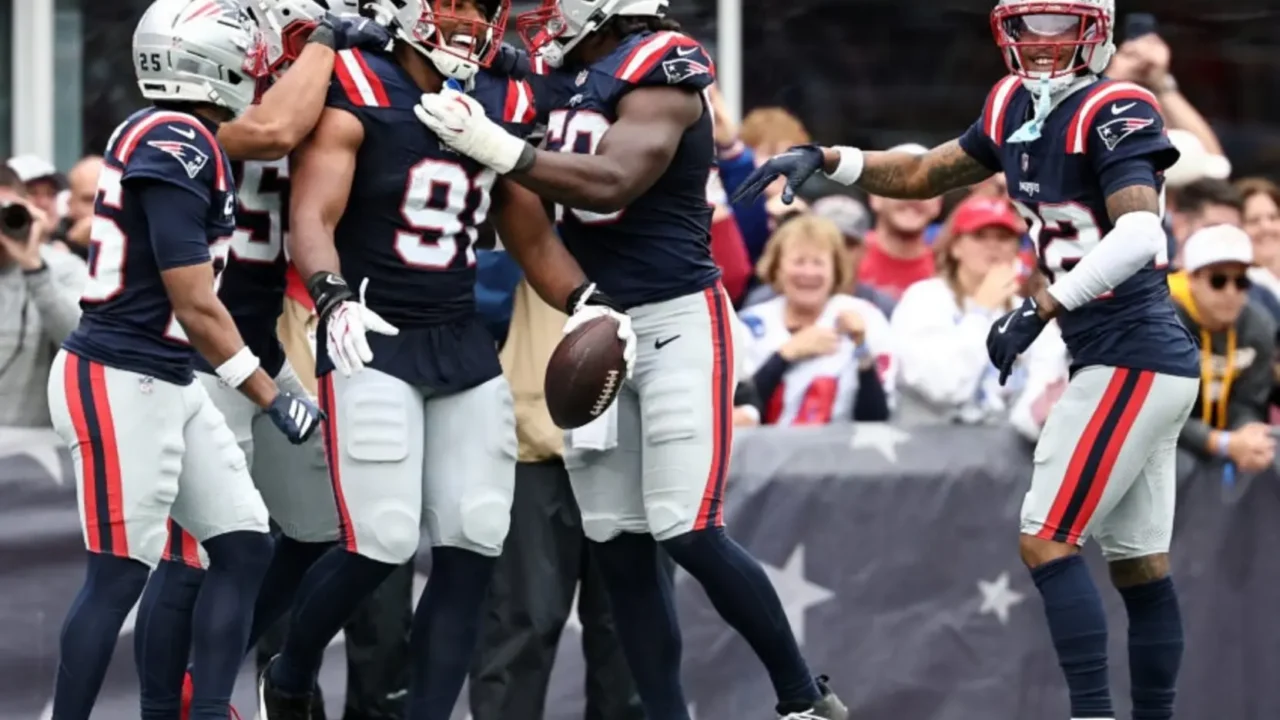
The decisive moment came in the fourth quarter. Elijah Ponder scooped up a loose ball and returned it for a defensive touchdown, a play that widened the gap and shifted the risk calculus for Pittsburgh’s comeback hopes. Later in the fourth, an attempt to rally was halted when defensive back gabe jacas intercepted a Pittsburgh pass in the red zone — the dagger that sealed the final margin.
Injury report and immediate status updates
Several in-game injuries impacted both lineups and required observable, on-field responses. Mike Onwenu was carted off after a play that involved contact with T.J. Watt; team reporting during the game listed Onwenu as ruled out for the remainder of the contest. That exit forced immediate protection adjustments across the offensive front.
Dre’Mont Jones left after recording a sack and did not return; initial reports from the sideline indicated a shoulder issue. Both Onwenu’s and Jones’ removals were handled as in-game observations and remain unconfirmed by postgame medical diagnosis. PatriotsReport advises readers to await official team updates for any diagnostic details or recovery timelines.
The Patriots rotated personnel throughout the second half as players exited and replacements took on extended snaps. Those changes contributed to conservative play-calling late in the game, with the staff leaning on short gains and clock management as injuries reduced available depth.
Crunching the defense: four sacks and how New England slowed Pittsburgh
New England recorded four sacks of Kenny Pickett, a major factor in keeping Pittsburgh to just three points. The pass rush frequently forced quick throws and disrupted timing routes, turning potential chunk plays into short gains or incompletions and consistently presenting difficult down-and-distance scenarios for the Steelers.
Dre’Mont Jones produced one of the recorded sacks before his exit; the remaining team sacks were part of a collective front that mixed edge pressure and interior push. The Patriots’ defensive gameplan emphasized gap discipline and coordinated blitzes that limited Pittsburgh’s ability to sustain drives.
New England also stymied the run, holding the Steelers to 91 rushing yards for the game. That combination of limited ground production and a pressured passing game forced the Steelers into longer third downs and lower-percentage opportunities, which the Patriots’ defense frequently closed out with timely tackles and a turnover returned for a touchdown.
Offensive notebook: Maye, Doubs and the missed kicking moment
Drake Maye managed the game through much of the afternoon, finishing 14-for-22 for 208 yards and one interception. Maye’s passing was efficient when asked to move the ball between the twenties, though the red-zone interception and the early Stevenson fumble limited the Pats’ ceiling on several possessions.
Romeo Doubs finished with three catches for 96 yards, the bulk of that total coming on his 63-yard reception that forced the Steelers to defend the entire field. Doubs’ burst and trackability on deep routes gave New England a clear vertical threat that paid off at critical moments.
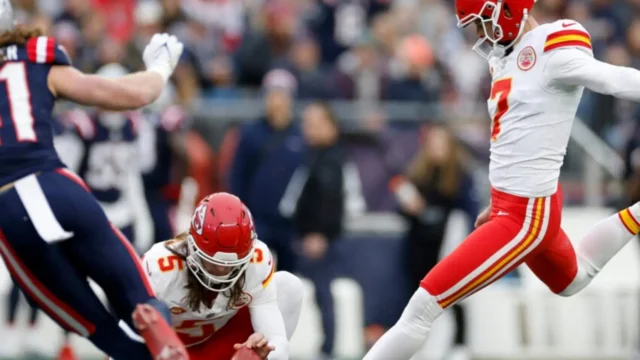
Andy Borregales converted a 30-yard field goal but missed a longer 47-yard attempt wide right, a miss that left points on the board and arguably increased the pressure on the defense to create a scoring swing. Overall, the offense balanced conservative clock management with occasional attempts to attack downfield, leaning on Maye’s short-to-intermediate accuracy when the pass rush was dialed-up.
By the numbers
The table above reflects the key figures and game-defining plays highlighted in primary reporting on the matchup.
Head coach Mike Vrabel and his staff leaned on defensive structure and situational play-calling to absorb the early offensive miscues and personnel losses. New England’s ability to convert a turnover into points via the fumble return and then to protect a lead with pressure and disciplined tackling was decisive in the home opener.
Source: Full game reporting and takeaways are available at Boston.com, which served as the primary reporting source for this recap. As noted in postgame comments, receiver Romeo Doubs said succinctly about the team’s reset, “what’s in the past must stay in the past.”