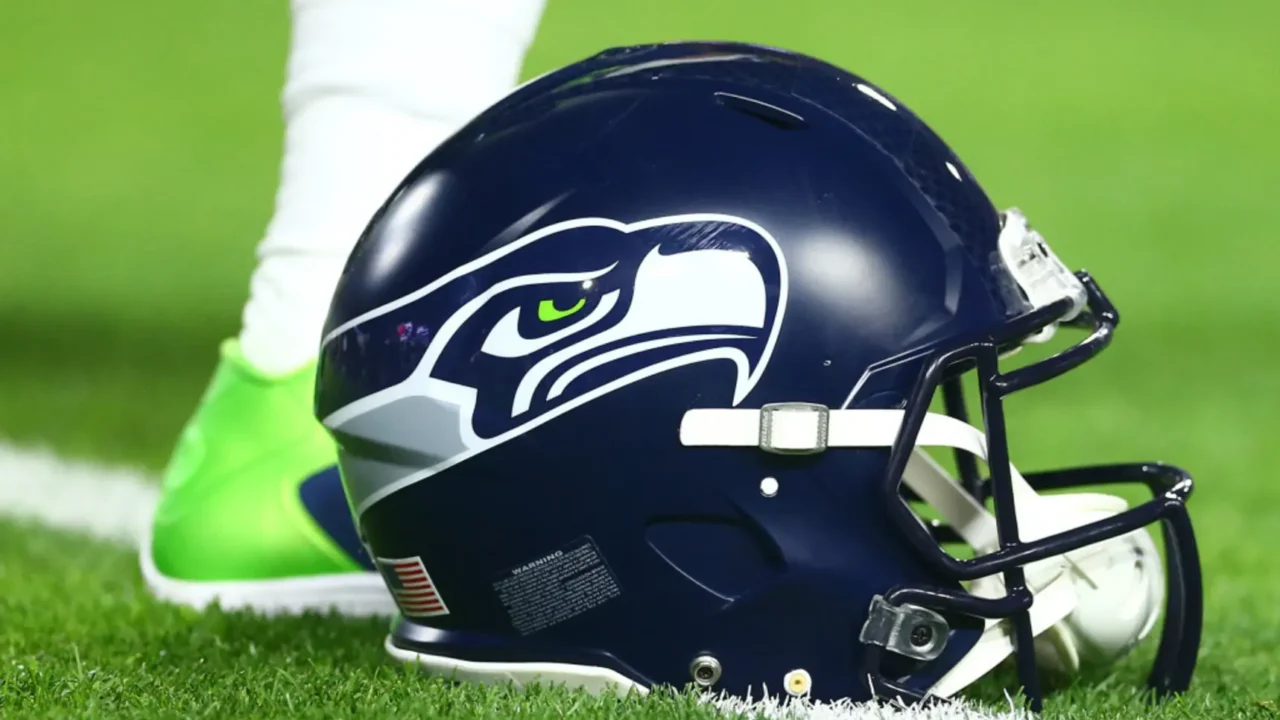
The latest reporting on Seahawks ownership outlines a diversified investor group that was approved just before Seattle’s 2026 season, naming a mix of entrepreneurs, established financiers and private-equity firms, per ProFootballRumors and Front Office Sports.
Source attribution: Reporting synthesized from ProFootballRumors and Front Office Sports.
Quick summary of the Seahawks ownership announcement
The sale was approved and finalized just before the start of the Seahawks’ 2026 season. The public announcement named a group of individual investors plus several private-equity firms, per ProFootballRumors and reporting reproduced from The Seattle Times.
Who the named investors are
The published ownership list combines tech founders, family investment dynasties and civic figures. Key named investors include Vinod Khosla as the controlling owner and other high-profile names such as Mark Stevens, Penny Pritzker and members of the Aramburuzabala family, according to coverage cited by ProFootballRumors.
Other individuals identified in coverage include María Asunción Aramburuzabala, Samir Kaul, Val Blavatnik, Sheryl Sokoloff, Gonzalo Hevia Baillères, Jesse van der Werf, Sunny Gupta and Nader Naini. The public release did not include a full numeric breakdown for most investors.
Private equity firms and the reported minority stakes
The announcement specifically names three private-equity firms in the investor mix: Sixth Street, Carlyle and Dynasty. Front Office Sports reporting (as cited in ProFootballRumors) attributes specific reported minority-ownership claims to those firms; the Seahawks’ official announcement did not disclose those figures.
Per Front Office Sports reporting referenced in the coverage, Sixth Street is reported to hold a “three-percent” stake — a reporting claim — while Carlyle and Dynasty are reported together at about three percent. Treat those numeric mentions as attributed claims, not league filings or team disclosures (Front Office Sports).
| Investor | Noted background / provenance | Reported stake or note (source) |
|---|---|---|
| Vinod Khosla | Controlling owner; Sun Microsystems cofounder | Controlling owner; exact stake not disclosed (official announcement) |
| Mark Stevens | Former Sequoia partner, Nvidia board member | Identified as second-largest investor; stake not disclosed (ProFootballRumors) |
| Penny Pritzker | Founder, PSP Partners; former U.S. commerce secretary | Major investor; stake not disclosed (ProFootballRumors) |
| María Asunción Aramburuzabala / Aramburuzabala family | Tresalia Capital CEO; Grupo Modelo family | Investor listed; stake not disclosed (ProFootballRumors) |
| Samir Kaul | Khosla Ventures partner | Investor listed; stake not disclosed (ProFootballRumors) |
| Val Blavatnik | Access Technology Ventures advisor | Investor listed; stake not disclosed (ProFootballRumors) |
| Sheryl Sokoloff | Philanthropist; family ties to private equity | Investor listed; stake not disclosed (ProFootballRumors) |
| Gonzalo Hevia Baillères | Investment CEO, merged logistics/AI firms | Investor listed; stake not disclosed (ProFootballRumors) |
| Jesse van der Werf | CEO, Heavy Metal Equipment | Investor listed; stake not disclosed (ProFootballRumors) |
| Sunny Gupta | Smartsheet executive, Generative Capital GP | Investor listed; stake not disclosed (ProFootballRumors) |
| Nader Naini | Frazier Healthcare Partners managing partner | Investor listed; stake not disclosed (ProFootballRumors) |
| Sixth Street | Global investment firm | ‘Three-percent’ reported by Front Office Sports (reporting claim) |
| Carlyle | Global private-equity firm | Collective stake with Dynasty ~three percent reported by Front Office Sports (reporting claim) |
| Dynasty | Private-equity firm named in announcement | Collective stake with Carlyle ~three percent reported by Front Office Sports (reporting claim) |
What NFL ownership rules mean for control
NFL rules set a floor for controlling ownership and caps on investor structures. The league requires a controlling owner to hold at least a 30-percent stake, limits ownership groups to 25 members, and restricts private-equity collective ownership to 10 percent, according to reporting on the sale.
Those rules mean that even with multiple institutional investors included, one individual — in this case Vinod Khosla — must satisfy the league’s minimum ownership threshold for control. Reported minority stakes should therefore be interpreted in the context of those league constraints.
Why this matters — governance, optics and potential conflicts
The inclusion of private-equity firms alongside tech and civic investors changes the ownership profile and prompts questions about governance and optics. Coverage notes that firms like Sixth Street hold stakes in multiple teams, which raises reported concerns about perceived conflicts; these are observations from reporting, not proof of rule violations.
Practically, minority institutional investors can influence commercial deals, media-rights negotiations or real-estate partnerships even if voting control remains with a single owner who meets the league’s controlling-ownership threshold.
What remains unclear and next reporting to watch
Key details remain undisclosed: exact ownership percentages by individual investors, voting or governance mechanics, and any contractual limits on institutional investors. The official announcement did not list numeric stakes for most individuals.
Follow-up reporting to watch includes deeper dives from The Seattle Times and Front Office Sports for sourcing on reported percentages, plus any league filings that clarify voting structures or limited-partner agreements. Treat reported figures such as Sixth Street’s “three-percent” as attributed claims until confirmed by filings or an official team disclosure.
Source attribution
This article synthesizes reporting from the following sources:
- ProFootballRumors: Breakdown Of Seahawks Ownership Shares
- Front Office Sports (reporting cited for reported minority-stake figures)
Reporting credit: primary synthesis and timeline based on ProFootballRumors and Front Office Sports coverage. Readers should consult The Seattle Times and league filings for additional confirmation on ownership percentages and governance documents.
Key takeaway: The Seahawks sale was approved with a broad investor mix. Several private-equity firms were named and have been reported to hold small minority stakes, but the league’s 30-percent controlling-owner rule and limits on private-equity ownership frame what control looks like in practice.