
Can the Patriots fix red zone defense for playoffs?

Patriots’ red zone defense: A 13-3 season clouded by scoring woes
The Patriots finished 13-3 this season, a record that demands respect. However, their red zone defense has become a glaring weakness that could decide playoff fate. Because opponents have converted at a high rate, every touchdown drive raises urgent questions. As a result, what looked like a dominant season now includes a clear vulnerability.
This analysis examines how New England’s offense generated big plays beyond the 20, while the defense struggled to stop scoring chances. We will break down red zone efficiency, opponents’ scoring rates, and key moments like Week 15’s five straight touchdown drives. Meanwhile, we will look at injury timelines for Spillane, Williams, Landry Jr., and Tonga. We will also measure how turnovers and takeaways altered outcomes in recent bounce-back wins.
By the end, readers will understand whether the offense can carry the Patriots through January. Then we will outline what defensive fixes must appear for a real playoff run. Finally, we assess the broader playoff implications for Mike Vrabel’s team.
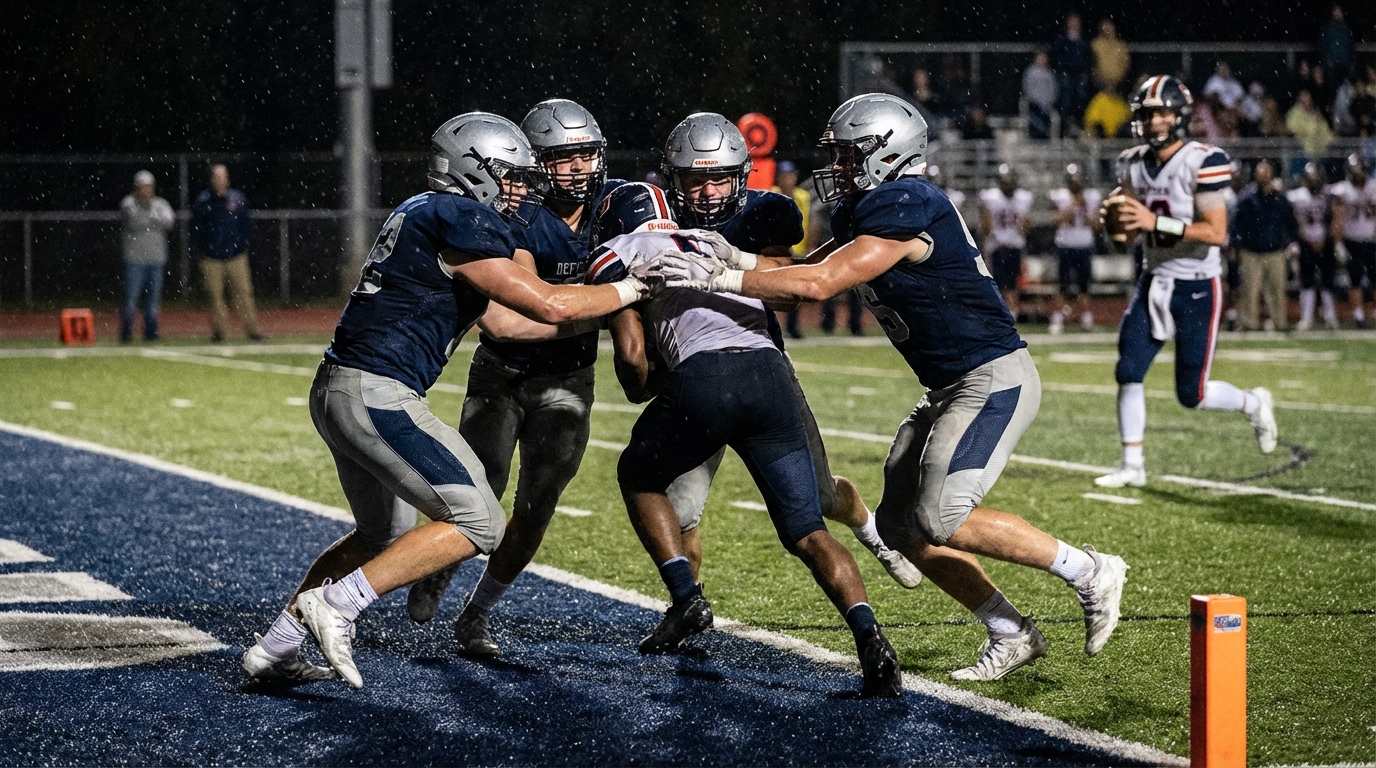
Red zone defense: Why New England is leaking points inside the 20
New England’s red zone defense has been the team’s clearest shortfall. As a result, opponents score on 70.3 percent of trips inside the 20. That rate ranks the Patriots dead-last in the league entering Week 18. Because scoring so often follows, this issue shifts every game’s risk profile.
A closer look shows the problem is both systemic and situational. For example, in Week 15 against Buffalo the Patriots surrendered five consecutive touchdown drives. Meanwhile, the Bills and Ravens combined for seven red zone scores on nine trips. Therefore, the numbers show the defense fails more than it bends.
Key red zone facts and stats
- Opponents convert on 70.3 percent of red zone trips against New England, dead-last in the NFL.
- Week 15: five straight touchdown drives allowed against Buffalo, a clear breakdown under pressure.
- Bills and Ravens combined: seven red zone scores on nine trips versus the Patriots, showing vulnerability to elite offenses.
- Over the last three weeks, red zone touchdowns across the league have been scored at a 73 percent clip, with the Patriots’ opponents taking advantage when they arrive inside the 20.
- Patriots forced three total takeaways in recent bounce-back wins, however those turnovers did not erase the red zone trend.
Managerial context and quotes
Coach Mike Vrabel has a defensive pedigree tied to bend-but-don’t-break principles, and he knows the stakes. As the reporting noted, “During his playing days, Vrabel was part of some of Bill Belichick’s patented bend-but-don’t-break defenses.” However, applying that approach has proved difficult this year. Brad Gagnon captured the problem bluntly: “Vrabel’s Patriots, as Brad Gagnon of Bleacher Report pointed out this week, have had a brutal time trying to replicate that style.”
What this means for January
- Because red zone failures directly translate to opponent points, the Patriots cannot rely solely on offense in January.
- Fortunately, the team should get back key defenders such as Robert Spillane, Milton Williams, Harold Landry Jr., and Khyiris Tonga when playoff games count. Therefore, improvement is possible but not guaranteed.
This section sets up our deeper breakdown of scheme, personnel, and situational play-calling. Next we analyze how coverage breakdowns and pass-rush lapses create those red zone scores.
Red zone defense comparison: Patriots versus league (last three weeks)
| Metric | Patriots | League (last three weeks) | Top defenses |
|---|---|---|---|
| Opponent red zone scoring percentage | 70.3% (dead-last entering Week 18) | 73% red zone touchdown rate (recent 3-week clip) | ~25–40% allowed |
| Consecutive red zone TD drives (worst game) | 5 straight TD drives (Week 15 vs Buffalo) | 0–1 typical per game | 0–1 |
| Red zone scores vs Bills and Ravens | 7 scores on 9 trips combined | — | — |
| Takeaways in recent bounce-back wins | 3 total takeaways (Ravens and Jets) | Varies by team | 6–12 for top teams |
Key takeaways
- The Patriots allow scores in the red zone at an alarming 70.3 percent rate, a clear weakness that costs points quickly.
- Because the league has seen a 73 percent red zone TD clip over the last three weeks, top offenses are exploiting New England’s lapses.
- Week 15’s five consecutive touchdown drives highlight situational breakdowns under pressure.
- While the Patriots forced three takeaways in bounce-back wins, those turnovers have not offset red zone inefficiency.
Further reading
Offense and playoff implications: Drake Maye’s playmaking edge
Drake Maye has been the driving force behind New England’s explosive offense. As a result, he sits prominently in MVP odds discussions. Meanwhile, the unit shows a consistent ability to create scoring plays beyond the 20 yard line. That strength creates real leverage even with defensive shortcomings.
Scoring beyond the 20 and quick-strike ability
- Maye and the passing game produced multiple high-leverage scoring plays beyond 20 yards, forcing defenses to respect downfield threats.
- Because the Patriots can score quickly, opponents cannot always rely on long drives to win field position.
- The offense’s efficiency outside the red zone reduces pressure on kickoff and punt coverage.
How offense shapes AFC playoffs outlook
The Patriots’ offense can compensate for red zone defense lapses in single games. However, over a playoff series, defensive stops matter more. Therefore, New England must keep producing chunk plays early. If Maye keeps making plays, the team increases its margin for error in the AFC playoffs. Moreover, opponents will game-plan differently because of Maye’s deep threat.
Impact of returning defenders in January
- Robert Spillane adds communication and tackling stability in the middle.
- Milton Williams boosts interior pass rush and run disruption.
- Harold Landry Jr. provides edge speed and consistent quarterback pressure.
- Khyiris Tonga strengthens gap control against power runs.
Taken together, returning pieces can reduce opponents’ scoring efficiency inside the 20. As a result, the offense would face less scoring burden. In short, Maye’s playmaking keeps the Patriots competitive. Yet sustainable playoff success will require the defense to tighten red zone execution and create timely stops.
The Patriots enter the playoffs with a clear red zone defense problem that demands attention. However, their offense, led by Drake Maye, offers playmaking that keeps hope alive. Opponents scored on 70.3 percent of red zone trips, a rate that cannot be ignored. Meanwhile, Maye’s big plays beyond the 20 reduce pressure on each drive. If Robert Spillane, Milton Williams, Harold Landry Jr., and Khyiris Tonga return healthy, the defense could tighten inside the 20. Therefore, January will test whether personnel returns and schematic tweaks matter.
Patriots Report LLC follows every development at patriotsreport.com and on Twitter @ZachGatsby.
In short, strengths offset glaring weaknesses, but only to a point. Optimism must be cautious and data driven. The Patriots have the offense to score, and they have paths to shore up defense. Ultimately, playoff success will come to teams that stop opponents in the red zone. Make adjustments and win games.
Frequently Asked Questions (FAQs)
Why has the Patriots’ red zone defense struggled so much?
The Patriots allow scores on 70.3 percent of red zone trips. As a result, coverage breakdowns and limited pass rush near the goal line have cost them points. For instance, Week 15 saw five consecutive touchdown drives versus Buffalo. In short, scheme execution and missing personnel created repeat failures.
Can New England still win in the AFC playoffs with this red zone issue?
Yes, but the margin is thin. Drake Maye and the offense create quick scoring plays beyond the 20. Therefore, New England can outscore opponents in single games. However, playoff wins require timely defensive stops. If the defense does not improve, the team risks losing close postseason contests.
How much does Drake Maye’s playmaking affect playoff odds and MVP chatter?
Drake Maye’s big plays push him into MVP odds conversations. Meanwhile, his ability to score fast reduces pressure on the red zone defense. Because of that, Maye increases the Patriots’ chances in one-off matchups. Nevertheless, sustainable playoff runs still need defensive corrections.
Will returning defenders change the red zone defense outlook?
Potentially yes. Robert Spillane brings tackling and communication. Milton Williams adds interior disruption. Harold Landry Jr. offers consistent edge pressure. Khyiris Tonga helps gap control. Together, these returns could lower opponents’ red zone scoring rate, but coaching adjustments matter too.
What should coaches prioritize before January?
Focus on red zone coverage assignments and pass-rush timing. Also, emphasize tackling drills and situational reps. Because turnovers help, coaching should aim to create takeaways near the goal line. In short, schematic clarity plus healthier personnel gives the Patriots a shot in the postseason.