Dianna Russini NFL insider ethics have become a flashpoint for debate about sports journalism and accountability. Her disputed reporting and the circumstances around a recent police stop force a closer look at insider practices. Because fans and teams rely on fast, supposedly authoritative scoops, the risk of error and bias rises rapidly. Moreover, the case raises questions about conflicts of interest, source verification, and the pressure to break news first.
Critics point to specific episodes such as her claim that a coach was fired and a controversial traffic stop. However, advocates warn against rushing conclusions without full context and independent review of reporting practices. This introduction surveys the stakes and methods that should guide ethical NFL insider journalism going forward. It aims to strike a cautious, critical, and analytical tone while exploring accountability and trust. Because public trust depends on accuracy, reporters and outlets must show clear standards and transparency.
Dianna Russini NFL insider ethics and role
Dianna Russini built a profile as an NFL reporter known for breaking news and on air analysis. She worked as an insider for outlets including The Athletic, which is owned by The New York Times Co. Because her scoops often moved markets, editors and audiences treated her reporting as authoritative. However the pressure to be first can create risks for verification and sourcing.
Career highlights and notable incidents
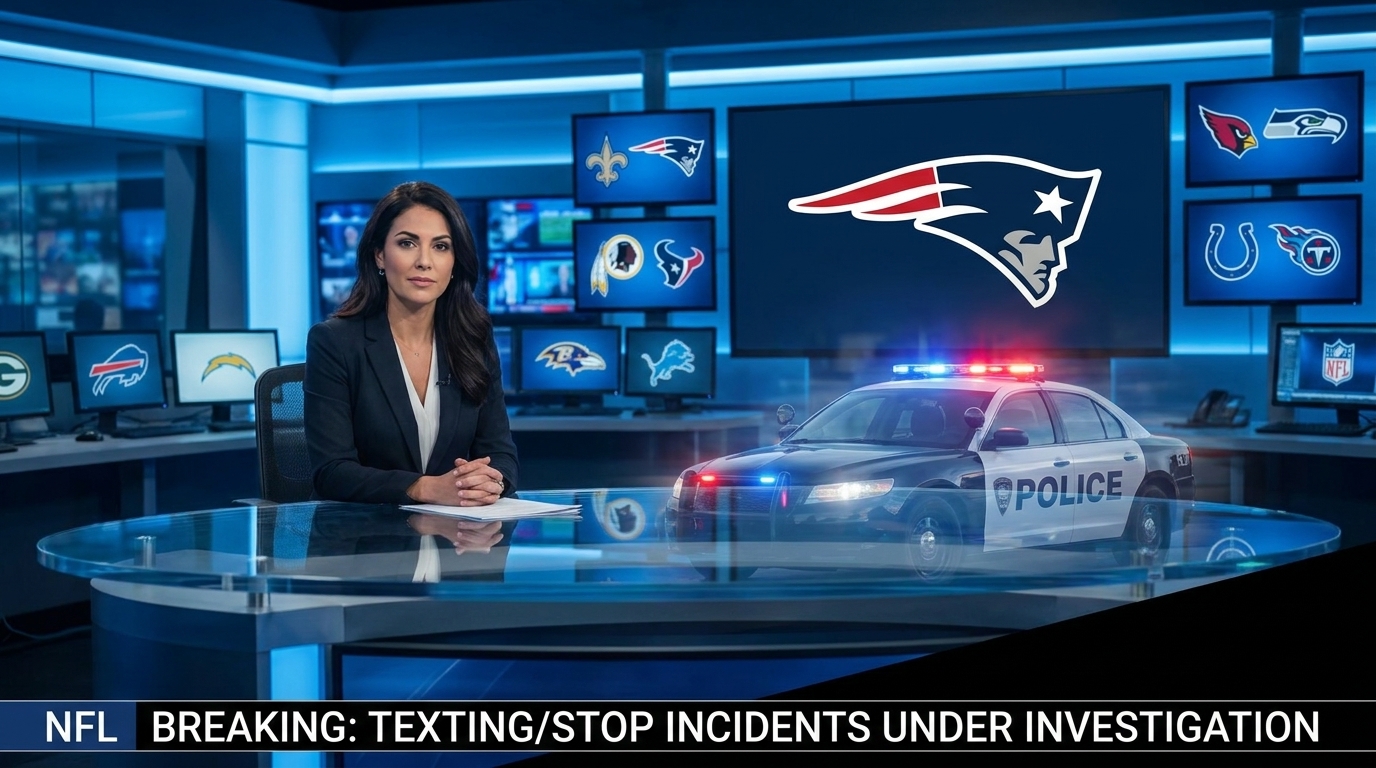
Russini reported widely on coaching moves and team personnel. For example she claimed the Buffalo Bills coach had been fired in a moment that later drew scrutiny. In January she was pulled over for texting and driving while her two young sons were in the car. The officer later said he was a fan of a different team. These episodes do not by themselves prove ethical breaches. However they have fueled debate about transparency, conflicts of interest and standards for insider journalism.
Because readers deserve context it matters which outlet publishes a scoop. The Athletic has network resources and editorial standards, and The New York Times Co owns The Athletic. Additionally independent timelines and coverage have tracked the developments and responses. For a detailed sequence see this timeline and related local coverage here. Moreover respected journalism guides offer best practices on source verification and disclosure that insiders should follow.
Ethics in sports reporting and the limits of breaking news
Insider journalism thrives on speed, but speed can erode reliability. When reporters rush to break news, they may rely on single sources or partial confirmations. As a result errors spread quickly. Therefore outlets need clear verification steps before publishing breaking claims.
Conflicts of interest and perceived bias
Insider reporters occupy a tricky position because they often cultivate close relationships with teams and agents. Consequently these ties can create conflicts of interest. For example a favored source may shape a narrative that benefits a team or individual. As a result readers can question whether the reporting reflects the news or relationships.
Personal behavior and professional credibility
Personal conduct can affect how the public views a reporter’s objectivity. In January Russini was pulled over for texting and driving with her two young sons in the car. The officer was unmoved, telling her he was a fan of a different team. That quote underscores a real world moment that observers seized to question judgment. However outside incidents do not always equate to journalistic misconduct. Still they influence public trust, and trust matters in insider journalism.
Reliability, verification, and newsroom responsibility
Good practice requires multiple, independent confirmations for major claims. For instance the disputed report that the Buffalo Bills coach had been fired should have had corroboration from team or league sources. Moreover editors must weigh the public interest against the risk of harm from incorrect reporting. Newsrooms often rely on verification guides such as the Society of Professional Journalists code of ethics here and editorial standards from outlets like Poynter here. These resources stress transparency, correction policies, and accountability.
Practical steps to rebuild trust
To restore confidence insiders should disclose sourcing levels. Additionally outlets should publish timelines and corrections when needed. Ultimately combining verification, disclosure, and clear editorial oversight reduces the chance of error. In this way insiders can balance the need to break news with the duty to be accurate. For context and timelines of recent developments see the Patriots Report timeline and follow related coverage here.
| Insider | Ethics (overview) | Breaking News Accuracy | Public Credibility |
|---|---|---|---|
| Dianna Russini | Questioned — recent incidents prompted scrutiny; calls for transparency | Variable — notable scoops but disputed claims | Contested — mixed public reaction after police stop |
| Adam Schefter | High — long track record; clear sourcing | High — consistent breaking accuracy | High — broadly trusted by audiences |
| Ian Rapoport | Moderate High — established sources; occasional secondhand reports | High — frequent accurate scoops on personnel moves | High — respected across media platforms |
| Tom Pelissero | Moderate — steady beat reporting; limited controversies | Moderate High — reliable on transactions and injury news | Moderate High — respected among NFL circles |
| Sarah Barshop | Moderate — regional beat; transparent disclosures | Moderate — focused regional scoops; careful sourcing | Moderate — trusted within local markets |
Because this table simplifies complex reputations, treat it as a quick reference.
CONCLUSION
Dianna Russini NFL insider ethics remain a complex, unresolved issue with lessons for all sports reporters. Because insider journalism depends on speed, outlets must pair urgency with rigorous verification. When a single disputed scoop or an off-field incident undermines trust, audiences lose confidence quickly. Therefore newsrooms should require multiple confirmations for major claims and publish clear corrections when mistakes occur.
Moreover conflicts of interest and close team relationships create real ethical risk. Reporters and editors should disclose significant ties and recuse themselves when coverage could appear biased. As a result transparency becomes the most practical safeguard against perceived favoritism and distorted reporting.
Finally personal behavior can affect professional credibility, and the public will link the two. However professional standards and transparent processes offer a path back to trust. Patriots Report LLC monitors these developments with a cautious, analytical lens. Follow updates on Twitter at @ZachGatsby for continued coverage and timelines. In the end accountability, disclosure, and editorial rigor will determine whether insiders can keep breaking important news while preserving public trust.
Frequently Asked Questions (FAQs)
What is the central issue in the Dianna Russini NFL insider ethics debate?
Because insiders shape public narratives, transparency matters greatly. The debate centers on disputed scoops and personal conduct. Russini faced scrutiny after a claim that the Buffalo Bills coach had been fired. In January she was pulled over for texting and driving with her two young sons. The officer was unmoved, telling her he was a fan of a different team. As a result many readers questioned both reporting accuracy and judgment.
How reliable are breaking news reports from NFL insiders?
Insider journalism can be fast and accurate. However speed sometimes sacrifices verification. Therefore good practice requires multiple, independent confirmations before publishing major claims. In addition outlets should label scoops that lack full corroboration. This approach reduces error and improves news ethics.
Does a reporter’s personal behavior change how audiences view their work?
Yes, personal conduct can affect credibility. For example the traffic stop raised concerns about judgment in some readers. However professional standards focus on sourcing and accuracy. Editors should separate personal conduct from documented reporting failures. Still public trust often links the two.
What safeguards reduce conflicts of interest and bias?
Outlets must require disclosure of significant ties. Moreover editors should demand independent corroboration for sensitive stories. Transparency about sourcing helps. Also clear correction policies rebuild trust when mistakes occur. Finally recusal rules can prevent biased coverage.
How can readers assess insider journalism for reliability?
Check for named sources and multiple confirmations. Watch for corrections and timeline updates. Compare coverage across outlets and prefer transparent outlets. Above all, treat single-source scoops with caution and expect editorial accountability.