grass vs turf in the NFL: Gillette Stadium’s offseason crossroads
The debate over grass vs turf in the NFL has landed squarely at Gillette Stadium.
During the NFL season, the Patriots play on artificial turf, but the stadium hosted World Cup matches on real grass. That swap created a new kind of tension for fans and players.
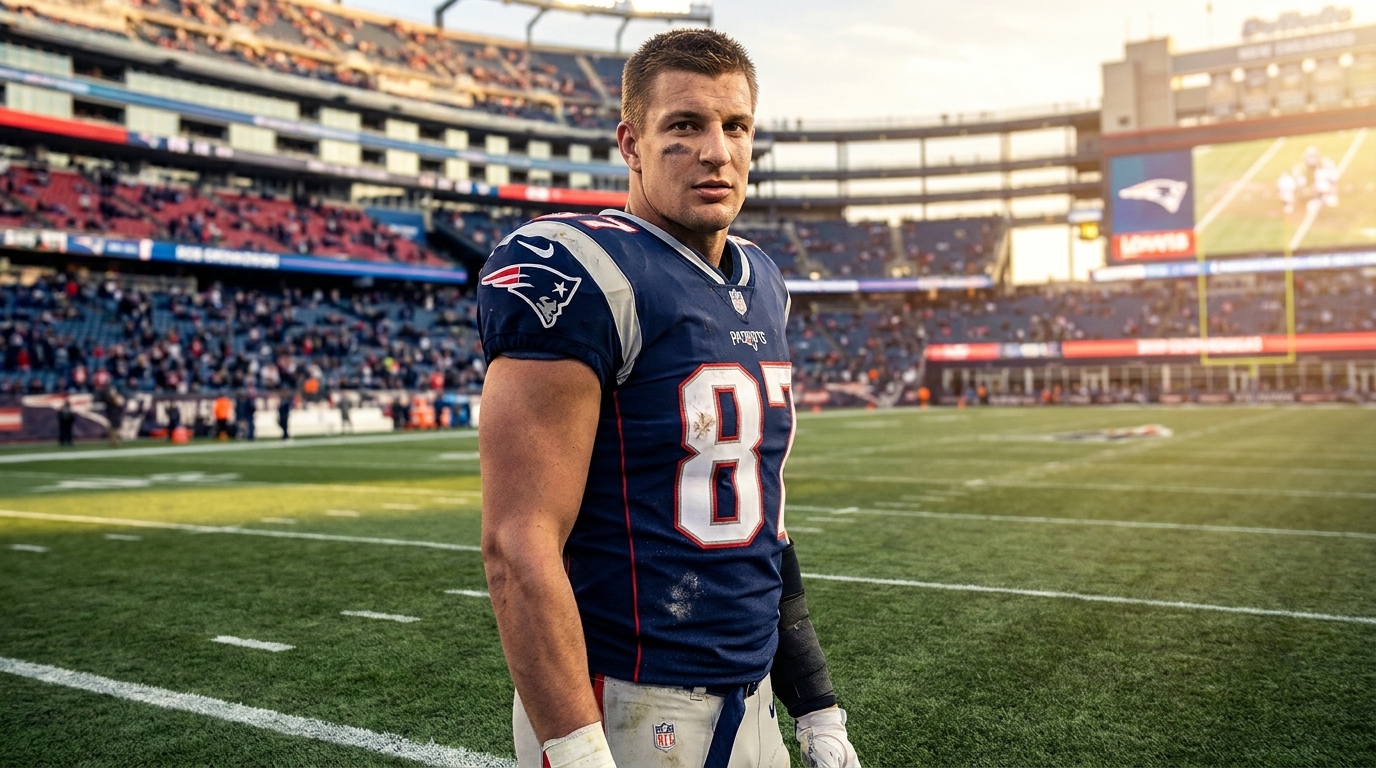
Players have spoken up because the issue affects safety and morale. Most notably, Kevin Byard, Brenden Schooler, and Rhamondre Stevenson prefer real grass. They point to higher injury risk since turf became standard across many NFL stadiums. As a result, NFLPA report cards have handed the Patriots less than ideal grades in recent years.
Owner Robert Kraft now faces a clear choice. He could keep turf because of weather concerns, or he could return to grass and lead a trend. Seeing soccer played on real grass in Boston Stadium will keep the conversation alive. Therefore, the Patriots offseason narrative will hinge on that turf decision, and the league may follow.
Players and coaches weigh in on grass vs turf in the NFL
Patriots players have been blunt about field preference, and their voices matter. Most notably Kevin Byard, Brenden Schooler, and Rhamondre Stevenson all voiced a preference for real grass. As one player put it, the change from turf to grass during the World Cup made the difference obvious. Because player safety and morale are at stake, coaches cannot ignore these comments.
Coaching staff views often balance safety and practicality. However coaches must manage weather, maintenance, and practice plans. Therefore a coach might favor turf for durability, but still understand player concerns. As a result team culture can shift if leadership prioritizes player comfort.
What the players are saying
- Kevin Byard and teammates prefer real grass because they believe it reduces injury risk.
- Brenden Schooler argued that playing on natural surfaces feels safer and steadier.
- Rhamondre Stevenson noted the old dynasty days on muddy fields and favored grass for feel and tradition.
- Several players said they wish grass would remain for the upcoming season.
Coaching and culture implications
- Coaches may worry about New England weather and field upkeep.
- Yet coaches also know that player buy-in improves practice intensity.
- Therefore returning to grass could boost morale and help recruitment.
- Conversely keeping turf preserves consistency for practices and preseason work.
Quotes to remember
“During the NFL season, the Patriots play on artificial turf. But during the World Cup, real grass was brought onto the field.”
“Most notably Kevin Byard, Brenden Schooler, and Rhamondre Stevenson, all voicing their preference for real grass and making it clear they wish it would remain in the stadium for the upcoming season.”
“The risk of serious injury, which we’ve seen rise since turf became standard across many NFL stadiums, has increased.”
For more on Patriots workouts and locker room sentiment, see this spring workouts report: Patriots Spring Workouts 2026.
Also read how midseason momentum shaped the roster after Week Two: Patriots Week 2 Dolphins Season.
For context on player safety and labor voice, visit the NFL Players Association: NFL Players Association.
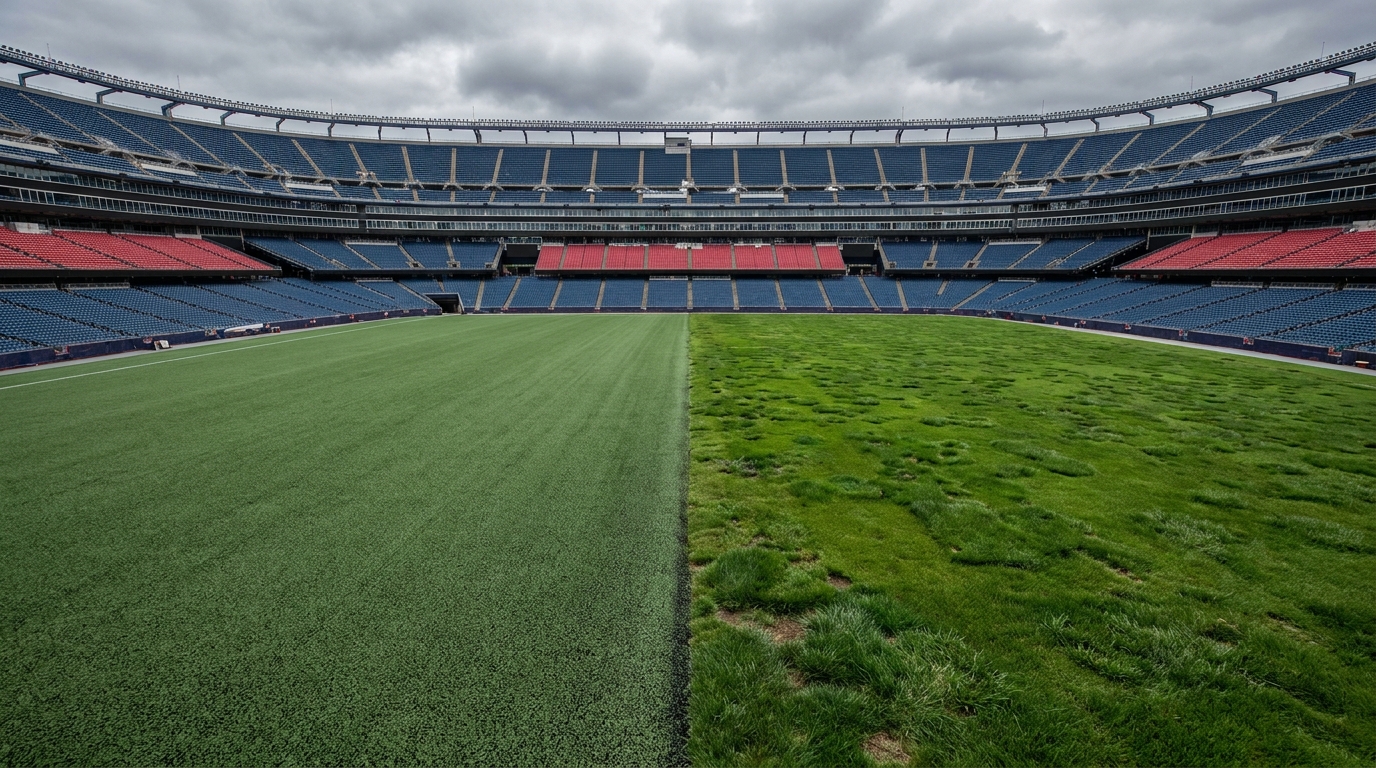
Table: grass vs turf in the NFL Pros and Cons
This table compares real grass and artificial turf across key factors. It covers injury risk, weather effects, player preference, maintenance, and historical context. Read the short entries below to weigh field conditions and team morale.
| Factor | Real grass Pros | Real grass Cons | Artificial turf Pros | Artificial turf Cons |
|---|---|---|---|---|
| Injury risk | Lower perceived injury risk; many players prefer grass | Can tear or divot if poorly maintained, affecting safety | Consistent traction and flat surface for most plays | Higher rates of some soft tissue injuries; players cite increased injury risk |
| Weather effects | Handles water naturally; avoids heat retention | Weather can make fields muddy, especially with snow and rain | Drains quickly and stays playable in severe weather | Retains more heat and can be slick in rain; impacts field conditions |
| Player preference | Favored by veterans for feel and tradition | Requires rest and recovery after heavy use | Allows heavy use without long recovery times | Many players dislike the feel; morale can suffer as a result |
| Maintenance and cost | Natural look and positive fan perception; boosts morale | Higher ongoing cost for care and recovery; weather increases upkeep | Lower daily maintenance and predictable budgeting | Replacement costs are high; synthetic waste and long term expenses |
| Historical context | Connects to old dynasty images of snow and muddy fields | Can suffer from extreme New England weather and wear | Modern stadiums standardized turf for durability and scheduling | Critics point to injury studies and player feedback on field conditions |
Ultimately decision makers will weigh safety, weather, cost, and player morale. However the Patriots debate shows how field choices can shape team culture.
Robert Kraft’s influence on the grass vs turf in the NFL debate
Robert Kraft can shape more than the Patriots brand. Therefore his decision about Gillette Stadium matters to the whole league. He faces pressure because players and staff link field choice to injury risk and morale. The risk of serious injury, which we’ve seen rise since turf became standard across many NFL stadiums, has increased. As a result team leaders cannot treat this as a purely cosmetic decision.
Kraft’s potential move back to natural grass would carry weight. For one thing it would respond to player preference. Kevin Byard, Brenden Schooler, and Rhamondre Stevenson publicly favor real grass. Moreover seeing soccer games played in their home stadium on real grass will surely keep this conversation going, and Kraft won’t be able to avoid it for much longer. If Kraft acts, other owners will notice quickly.
Why owners might follow
- Owners track injury risk data and player sentiment because both affect wins and revenue.
- Therefore an early adopter like Kraft creates an NFL trend and gives cover to other owners.
- Also owners weigh weather, maintenance, and scheduling, but player safety can tip the balance.
Quotes and pressure points
“Kraft has a chance to be the first to take what his players are saying and use it as a reason for change, which could set off a trend across the league for other owners to do the same.”
“It’s a no-brainer to get going on changing the field.”
In short Kraft can alter the Patriots offseason narrative. If he reintroduces real grass, the NFL trend could begin with New England and spread to other franchises.
Voices from the Field: The Turf vs. Grass Debate
The grass vs turf in the NFL debate matters more than aesthetics. Players warn about injury risk and team morale, and their voices deserve weight. Kevin Byard, Brenden Schooler, and Rhamondre Stevenson favor natural grass. They say it reduces soft tissue injuries. As a result coaching staffs and medical teams must reckon with player welfare when choosing surfaces.
Robert Kraft can turn this conversation into an NFL trend. If he reintroduces real grass at Gillette, other owners may follow. Seeing World Cup matches on natural grass made the difference obvious for fans and players. Therefore the optics and practical benefits will pressure leadership leaguewide.
This offseason the Patriots face a tangible choice about field conditions and culture. Patriots Report LLC will keep tracking this story because it affects wins and player safety. For ongoing coverage visit Patriots Report and follow insights on @ZachGatsby. I remain hopeful that player welfare will guide decisions. One owner’s move can spark positive change across the NFL.
Frequently Asked Questions
Do players face higher injury risk on artificial turf?
Short answer: studies and player reports point to higher rates of some soft tissue injuries on turf. Many trainers and athletes note more joint stress and turf abrasions. However modern turf improved compared with early generations. Because injury risk depends on maintenance and usage, experts still debate absolute causation.
Why do many Patriots prefer natural grass?
Players list feel, traction, and morale as top reasons. Kevin Byard, Brenden Schooler, and Rhamondre Stevenson preferred natural grass for its softer landing and steadier footing. Moreover veterans point to tradition and comfort from the dynasty era on muddy fields. As a result player preferences weigh into locker room chemistry.
Has Gillette Stadium ever used real grass?
Yes. During the World Cup organizers installed natural grass at the stadium. That switch made the grass vs turf contrast visible to players and fans. Seeing soccer on real grass renewed conversations about field conditions and weather trade-offs in New England.
Could Robert Kraft’s decision trigger a league trend?
Yes, he could influence an NFL trend. Owners watch peers for both competitive and financial reasons. If Kraft returns to natural grass, other owners may follow for injury risk and player morale reasons. However weather, maintenance cost, and scheduling remain key constraints for owners.
What should fans watch for next offseasons?
Look for concrete signs of change and follow these items:
- Official statements or field upgrade announcements by ownership
- Offseason maintenance contracts or vendor hires
- Preseason practices and games played on a chosen surface
- Player and coach comments about field conditions
- NFLPA report cards and medical staff notes
These signals will show whether the Patriots move from a debate to a decision. If Kraft acts, the NFL trend may quickly shift.