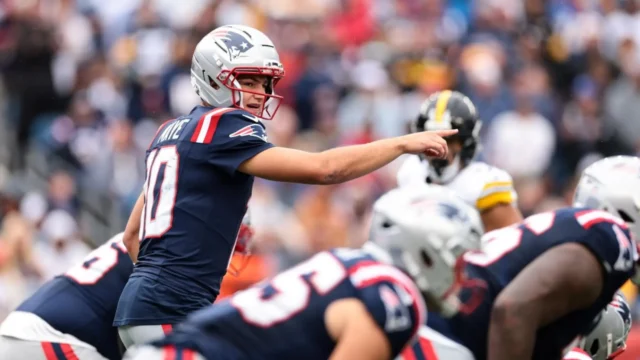
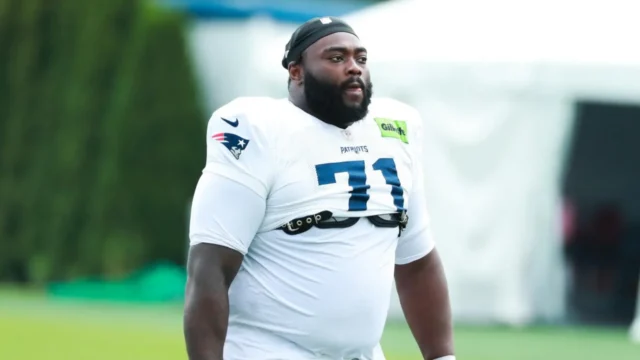
Patriots push for natural grass at Gillette Stadium has taken on new urgency as players publicly pressed for safer footing. Because Gillette switched to real grass for the World Cup, the issue moved from debate into real change. However, Patriots voices say grass matters year round. They argue that natural turf reduces strain on knees, ankles and joints, and therefore lowers injury risk.
This shift matters for health and team culture. When players trust the field, they play more aggressively and with more confidence. As a result, the team can build tougher practices without trading safety. Rhamondre Stevenson, Brenden Schooler, Kevin Byard III and Milton Williams have all spoken in favor of grass. Their comments frame the conversation as a medical and cultural imperative.
Quick stakes
- Player health: less joint stress and fewer turf burns
- Performance: more stable footing and fewer awkward rolls
- Culture: safer practice habits and stronger team morale
If ownership acts sooner, the Patriots could prevent injuries and set a new standard. Therefore this article examines why the Patriots push for natural grass at Gillette Stadium matters to players and fans alike.
Players weigh in: Patriots push for natural grass at Gillette Stadium
Patriots players put their bodies first, and their message is clear. Rhamondre Stevenson summed it up bluntly: “Playing on grass is a lot less taxing on the knees and ankles and joints like that.” Because Stevenson spoke straight about joint stress, teammates echoed his urgency.
Brenden Schooler offered a fuller take on the differences. He said, “Just speaking personally for myself, I love playing on grass. I think it’s got more give on it, doesn’t hurt as bad when you fall. When it’s freezing out, it doesn’t cut you up as bad as turf does. You don’t have to worry about turf burn.” Therefore Schooler framed grass as both safer and kinder on the body.
Kevin Byard III agreed that artificial turf changes how bodies react. He said, “Turf beats you up over the season and makes soft tissue feel worse.” Moreover Milton Williams added, “I feel the difference after games; grass lets my joints recover more naturally.” As a result, the roster now speaks as one on field conditions.
Short list of safety benefits they highlighted
- Less joint stress because grass absorbs force better
- Fewer turf burns and superficial abrasions after falls
- Lower chance of awkward foot planting that injures knees
- Better long-term recovery for ankles and hamstrings
Players also tied field type to practice intensity and culture. If the team trusts the surface, coaches can run harder sessions. Consequently, players can prepare without adding injury risk. The Patriots’ push for natural grass at Gillette Stadium is thus both a health plea and a cultural demand. Fans and ownership should hear that argument, because player safety affects wins and careers.
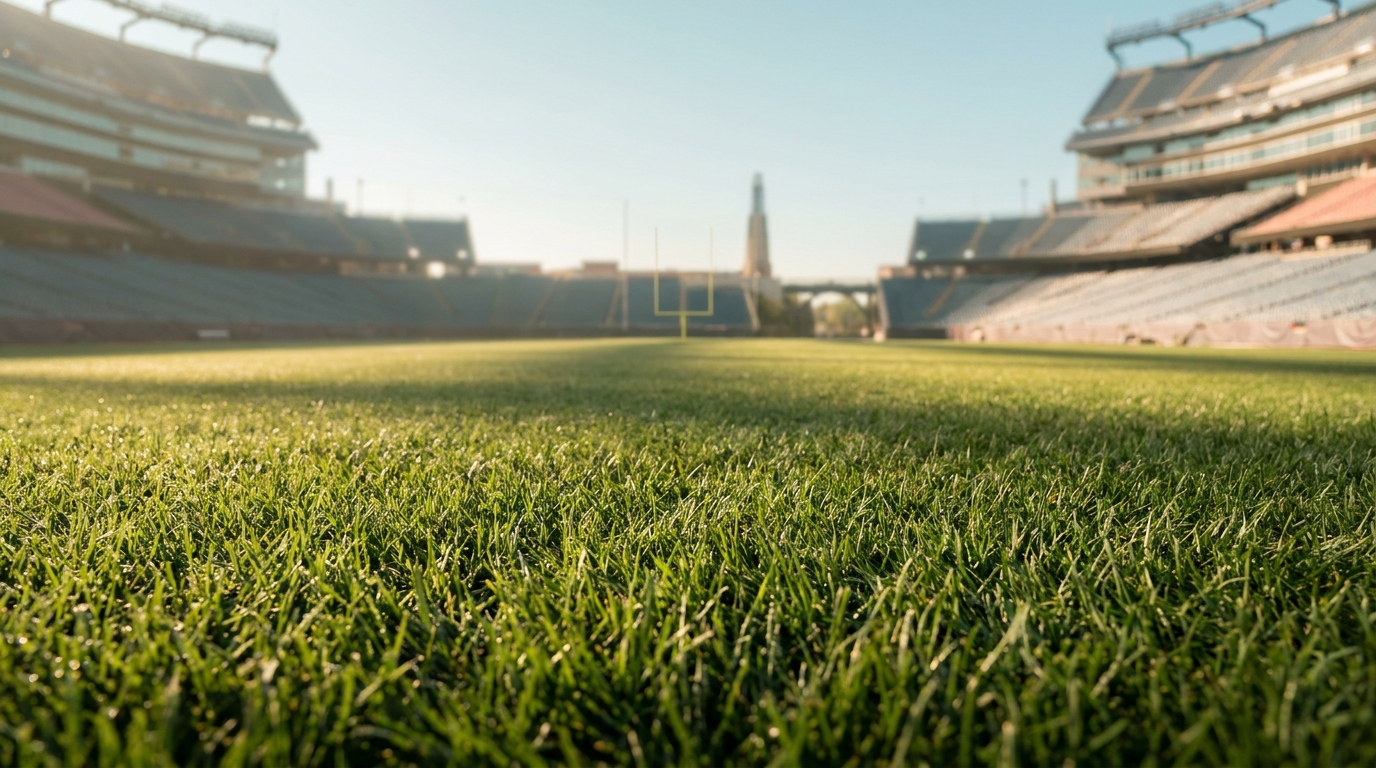
A lush, natural grass field at Gillette Stadium in the soft morning light.
Patriots push for natural grass at Gillette Stadium — Turf versus Grass
Below is a clear comparison of artificial turf and natural grass at Gillette Stadium. It focuses on field conditions, injuries, and performance. Players’ quotes and related keywords are included for context.
| Category | Artificial turf | Natural grass | Player perspective / Quote |
|---|---|---|---|
| Player safety | Firmer surface, higher impact forces | Softer surface, better shock absorption | “Playing on grass is a lot less taxing on the knees and ankles and joints like that.” — Rhamondre Stevenson |
| Injury risk | Higher incidence of turf burns and certain knee injuries | Lower risk for some joint and soft tissue injuries | “Turf beats you up over the season and makes soft tissue feel worse.” — Kevin Byard III |
| Player preference | Many players dislike it for long seasons | Majority prefer grass for comfort and safety | “I love playing on grass. I think it’s got more give on it.” — Brenden Schooler |
| Maintenance | Easier scheduling, lower weather risk; synthetic infill upkeep | Requires mowing, irrigation, rest and seasonal care | Natural grass needs more day to day care, however players favor recovery benefits |
| Impact on performance | Faster slips and harder falls can occur | Better traction, less joint strain, steadier footing | “Grass lets my joints recover more naturally.” — Milton Williams |
| Practice culture | Coaches may limit contact to reduce injuries | Coaches can run harder sessions with less fear of turf damage | As a result, grass supports tougher, safer practices |
| Cost and logistics | Lower immediate cost; long term surface replacement | Higher maintenance cost and weather planning | Ownership must weigh costs against player health and long term wins |
This table shows why the Patriots push for natural grass at Gillette Stadium blends safety, culture, and performance.
World Cup impact and ownership: Patriots push for natural grass at Gillette Stadium
The World Cup forced a temporary but important change at Gillette Stadium because FIFA matches require natural grass. As a result, the venue switched from artificial turf to real grass for tournament play. However, the Patriots will not practice on that grass until after the World Cup ends, creating a gap between the turf players prefer and the surface they must prepare on.
This timing matters for player safety and team routines. When practice surfaces differ from game fields, players risk awkward adjustments. Therefore the lack of grass practices may blunt some safety gains. Players will return to Gillette and adapt, but they lose valuable reps on a softer, more forgiving surface during this period.
Owner Robert Kraft holds significant influence over any permanent switch. He must weigh installation cost, maintenance and schedule risks. However, he also weighs player health and team culture. If Kraft moves sooner, the team could reduce season long joint strain and fewer turf related injuries. Consequently, this would support deeper, contact heavy practices with less fear of cumulative wear.
Players have already made their position clear, and their medical concerns are grounded in experience. Rhamondre Stevenson highlighted reduced stress on knees and ankles. Brenden Schooler, Kevin Byard III and Milton Williams echoed those safety points. Therefore the argument for grass is more than preference; it is a claim about medical risk and career longevity.
Ultimately ownership must decide whether short term logistics outweigh long term health benefits. For now the World Cup created an opening to test grass at Gillette. However Patriots voices suggest that opening should become permanent. If Kraft listens, the team could set a new standard that prioritizes player safety and strengthens Patriots culture.
The Patriots push for natural grass at Gillette Stadium now reads as a player-driven safety campaign. Because players have linked grass to fewer joint problems, the debate has a clear medical edge. Rhamondre Stevenson and teammates described less knee and ankle stress on grass. Therefore their preference is not just comfort; it is injury prevention.
Team culture stands to gain if ownership listens. When players trust the field, coaches can run harder practices without adding long term wear. As a result, the locker room builds confidence and resilience. Fans also benefit because healthier players stay available for key games.
The World Cup created a chance to test natural grass at Gillette Stadium. However the Patriots will not practice on that surface until after the event. Therefore a temporary switch offers only a partial win. Robert Kraft can make a lasting choice by weighing schedule logistics against player health. If he acts sooner, the team could reduce cumulative injuries and improve performance.
For advocacy and ongoing coverage, this article comes from Patriots Report LLC. Visit Patriots Report and follow the conversation on Twitter/X at @ZachGatsby. Ultimately the case for grass rests on player safety, team culture, and fan interest. Moving forward, those priorities should guide the decision.
Frequently Asked Questions
What happened to the playing surface at Gillette Stadium?
For the World Cup, Gillette Stadium replaced artificial turf with natural grass. This temporary change followed FIFA requirements and testing needs. Patriots push for natural grass at Gillette Stadium gained visibility because of that switch.
Why do Patriots players prefer grass over turf?
Players say grass reduces strain on knees, ankles and joints. Rhamondre Stevenson noted that grass is less taxing on the body. Brenden Schooler added that grass has more give and causes fewer turf burns. Therefore players argue grass protects long term health.
Does natural grass actually lower injury risk?
Many players and trainers believe it does for certain injuries. Grass absorbs impact better and reduces abrasions. However no surface eliminates all injuries. As a result, grass can lower wear and tear over a season.
Will the Patriots practice on the grass during the World Cup?
No. The team will not practice on Gillette’s grass until after the World Cup ends. Consequently players lose reps on the softer surface during tournament play.
What role can owner Robert Kraft play in a permanent change?
Kraft can decide whether to keep natural grass year round. He must balance cost, maintenance and scheduling. However acting sooner could protect player health and strengthen team culture.