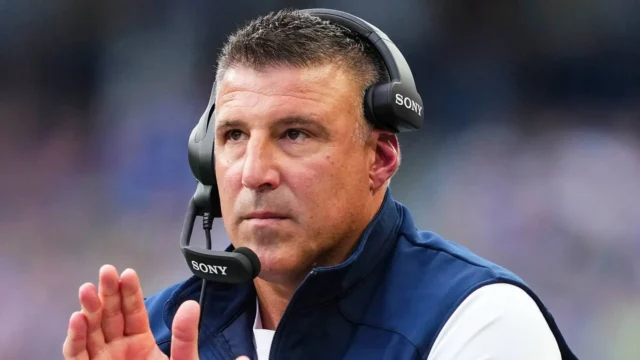
Dolphins coach Jeff Hafley’s analytics approach has become a focal point in modern coaching. Coaches now lean on data more than ever to gain an edge. Hafley mixes analytics with feel and reads from live play. That blend of data-driven study and in-game intuition matters greatly. He says he will monitor analytics, but he will decide from what he sees. Therefore he uses numbers for fourth-down choices and to judge game flow. However, he still trusts instincts formed from watching players and schemes. This hybrid approach shows modern decision making in football. It values metrics, tendencies, win probability models, and coach sense. Because numbers can miss context, Hafley weighs both sides before acting. As a result, his team applies analytics with practical, situational judgment. In this article we will unpack how that balance plays out. We will examine fourth-down analytics, play-calling trends, and in-game reads. Readers will learn what Hafley’s philosophy means for Dolphins strategy. The goal is clear: use data to inform choices, not replace judgment. Moreover, this approach speaks to a coaching shift across the league.
Dolphins coach Jeff Hafley analytics approach
Hafley treats analytics as a crucial input, not a mandate. He said, “I’m going to want to know what the analytics says, but I’m going to go by what I feel is best for our team in the moment, in the game.” Therefore he studies model outputs, win probability charts, and fourth-down tables before games. However he refuses to cede final authority to a spreadsheet. He wants to watch how his players perform and how the game feels. “Tell me what the analytics say, and let me make a decision based off the flow of the game and how I feel, what the team needs from me in the moment,” Hafley added. This balance shapes staff meetings and game planning.
Analytics and fourth-down decisions
On fourth-down decisions Hafley uses analytics to inform risk. He looks at yards to gain, time remaining, field position, and opponent tendencies. Yet he also factors in momentum and player confidence. As he explained, sometimes the numbers say go for it, and sometimes coaches should not. Therefore Hafley blends probability with context. Coaches feed analytics into play-calling discussions and situational drills. The staff models scenarios, then Hafley applies his read of the live game. As a result the team uses data to sharpen choices, while keeping coach intuition in control. This hybrid model reflects a leaguewide trend toward smart, situational decision making.

Related gossip and developments affecting NFL teams
Kenyon Sadiq headlines the recent chatter around the Jets. Head coach Aaron Glenn praised Sadiq’s versatility, saying, “We’re going to be able to dictate as far as the defense is concerned … he brings that value to us,” via Jets Wire. Glenn added that Sadiq can play multiple positions and will help open the offense. Because Sadiq can create matchup problems, the Jets may lean on him in early downs and sub packages.
Albert Breer weighed in on receiver movement and trade feasibility. Breer is skeptical that Stefon Diggs will return to New England. He cited the team’s likely trade for A.J. Brown as a key reason. The Sports Illustrated piece adds perspective on market dynamics and roster fit. Therefore New England’s wide receiver plans look more set than some rumors suggest.
Coaching development also made headlines. Patriots assistant head coach Terrell Williams will join the NFL’s coaching and front office accelerator program. ESPN’s Jeremy Fowler reported the news at ESPN. As a result Williams will gain front office exposure and league networking that can affect Patriots staff planning.
Collectively these items matter because roster moves change how teams use analytics and play design. For example, the Jets may use analytics to optimize Sadiq’s snaps. Meanwhile, Patriots staffing choices could shift personnel analytics and competition models. The original post with assorted league notes appeared on NFL Trade Rumors.
| Player or Coach | Team | Role or Impact | Latest Rumor or Development |
|---|---|---|---|
| Kenyon Sadiq | New York Jets | Versatile offensive weapon; creates matchup flexibility | Jets HC Aaron Glenn: “We’re going to be able to dictate as far as the defense is concerned … he brings that value to us.” |
| Stefon Diggs | Linked to New England rumors | Veteran wide receiver; high-impact target | Albert Breer says a Diggs return to New England is doubtful because the team may trade for A.J. Brown. |
| A.J. Brown | Linked to New England rumors | Elite wide receiver; would reshape passing game | Reported trade target that could block Diggs return. |
| Jeff Hafley | Miami Dolphins | Head coach; blends analytics with instinct | Hafley: “I’m going to want to know what the analytics says, but I’m going to go by what I feel is best for our team in the moment, in the game.” |
| Terrell Williams | New England Patriots | Assistant head coach; rising staff leader | Joining the NFL coaching and front office accelerator program in Orlando, per ESPN. |
Jeff Hafley’s stance shows a practical path for modern coaching. He uses analytics to sharpen choices, yet he keeps final say in live moments. Because analytics flag probabilities and tendencies, coaches can plan smarter. However, game flow and player feel often decide execution and risk. Therefore Hafley studies win probability models and fourth-down metrics, then he applies judgment in real time.
This balance matters across the NFL. Teams now blend data teams, scouts, and coaches in one process. As a result play-calling, fourth-down gambles, and personnel rotations reflect both models and instinct. Moreover adopting this hybrid mindset helps teams adapt when numbers lack context.
Stay informed as rumors and staff moves shift team strategies. For regular coverage and deeper notes follow TradeRumors and Patriots Report LLC. Visit patriotsreport.com and follow TwitterX at @ZachGatsby for updates and analysis. Thanks for reading, and check back often to see how analytics and gut calls reshape the league.
Frequently Asked Questions (FAQs)
What is Dolphins coach Jeff Hafley analytics approach?
Hafley uses analytics as one important input but not the only one. He wants the numbers and models before games. However he keeps final decision power in live moments. He said, “I’m going to want to know what the analytics says, but I’m going to go by what I feel is best for our team in the moment, in the game.” Therefore he blends win probability, fourth-down tables, and scouting with on-field reads.
How does Hafley make fourth-down decisions?
He studies yardage, field position, time, and opponent tendencies. Then he weighs momentum and player confidence. Because analytics often show probability, he uses them to inform risk. As he noted, sometimes numbers say go, and sometimes you should punt. Ultimately Hafley decides based on the flow of the game.
What role will Kenyon Sadiq play for the Jets?
Aaron Glenn says Sadiq brings versatility and matchup value. He can play multiple spots in sub packages. As a result the Jets can open the offense and create mismatches. Expect analytics to help determine Sadiq’s snap mix early on.
Are reports linking Stefon Diggs and A.J. Brown to New England accurate?
Albert Breer expresses doubt about Diggs returning to New England. He points to a likely trade for A.J. Brown as a main reason. Therefore Diggs rumors look less probable unless the market shifts.
What is the NFL coaching accelerator and why does it matter?
The program exposes coaches to front office practices and league networking. Patriots assistant Terrell Williams will attend per ESPN. Consequently staff development and hiring decisions may accelerate. This helps teams blend coaching insight with analytics.