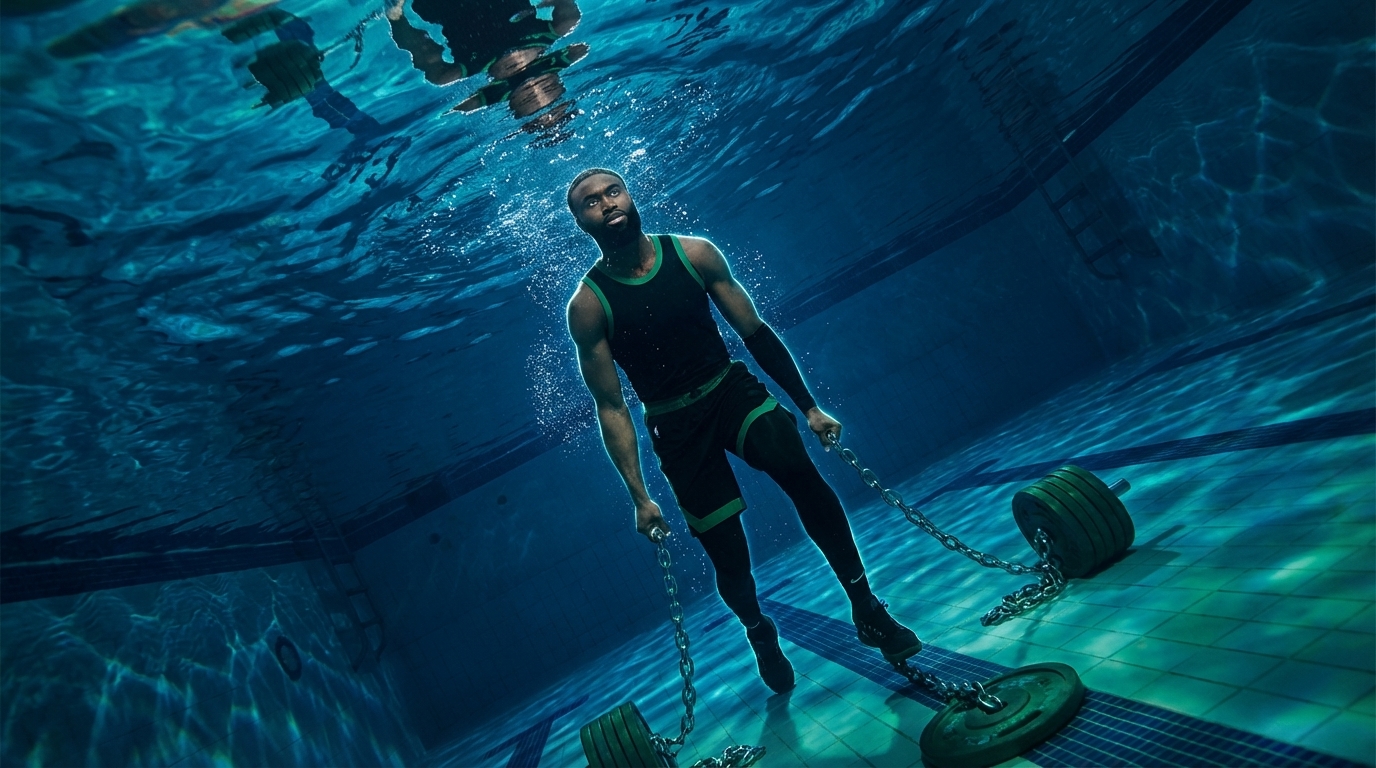
Underwater training to manage anxiety is central to Jaylen Brown’s unconventional mental-health journey. The Celtics star turned to deep pool drills and oxygen-deprivation work to build calm under pressure. Because this method forces controlled stress, it rewired how he meets fear and fight-or-flight moments.
Guided by surfing legend Laird Hamilton, Brown practices sinking to the pool bottom with heavy weights and then exploding upward. Gabrielle Reece called him a mental giant, which underlines the method’s mental gains. However, the exercise looks brutal, and it sounds extreme when described aloud. Yet the drills teach him to relax when panic threatens, whether in water or in a fourth-quarter run.
Brown describes the practice as it’s like basically training yourself to drown, and he uses it to sharpen focus. Therefore he trains breathing, tolerance for discomfort, and rebound speed after stress. The routine complements his elite scoring and the Celtics’ playoff push. As a result, Brown’s innovative approach offers athletes and everyday readers a fresh template for building resilience, focus, and calm under pressure.
Underwater training to manage anxiety: Concept and origin
Underwater training to manage anxiety forces controlled stress in a safe setting. Because the body meets oxygen deprivation, the brain learns to resist instant panic. Jaylen Brown adopted this method with guidance from Laird Hamilton. Brown described the practice bluntly: “It’s like basically training yourself to drown.” Therefore the exercise becomes a deliberate rehearsal of fight or flight moments. Gabrielle Reece even called Brown a “mental giant,” which highlights the mental payoff. However, the idea traces to breath-sport and big-wave surfing techniques. As a result, athletes use these drills to reframe fear as a manageable stimulus.
Underwater training to manage anxiety: Pool drills, weights, and oxygen deprivation
Brown’s routine mixes simple pool drills with heavy-resistance elements. For example, he sinks to the pool bottom with weights and then explodes up. This drill forces breath control and rapid recovery. Moreover, he performs repeated breath-hold sets to train tolerance for oxygen deprivation. The core drills include:
- Sinking with heavy weights to the deep end then surfacing in one explosive motion
- Controlled breath holds with timed lung capacity progressions
- Repeated submersion under moderate exertion to simulate game stress
These pool drills mimic sudden, high-pressure bursts in competition. Consequently, the athlete practices staying calm when the heart races. Coaches like Laird Hamilton adjust sets slowly to avoid unsafe hypoxia. Therefore the work balances intensity with safety protocols.
Underwater training to manage anxiety: Psychological benefits and sport transfer
The main psychological gain is stronger regulation of fight or flight responses. In the water, athletes learn one core rule: relax instead of panic. Brown explained, “If you panic in the water, you drown faster. So the water teaches you to relax when you’re in that fight or flight, to just relax.” Thus controlled submersion builds tolerance for discomfort and speeds mental recovery. It also improves focus, decision-making, and composure under pressure. As a result, players can translate calm into fewer turnovers and steadier late-game play. In short, underwater training offers a tangible path to managing anxiety through exposure, breathing practice, and resilience training.
Profile: Jaylen Brown’s mental and physical preparation
Jaylen Brown pairs elite production with deliberate mental work. This season he averaged 28.8 points, 7.0 rebounds, and 5.2 assists. However, his journey includes painful lessons from the 2023 Eastern Conference Finals loss when he had a career high eight turnovers.
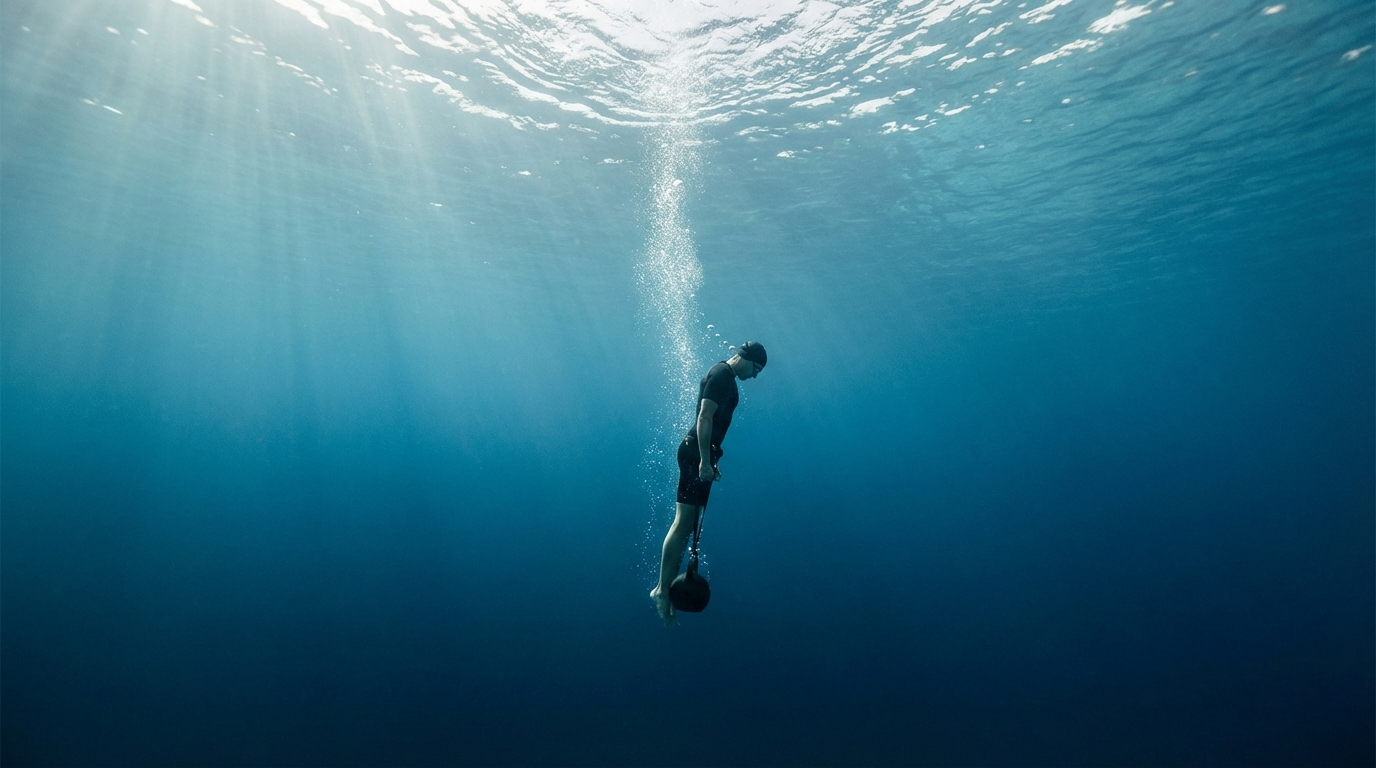
Physically he mixes gym work with specific underwater training to manage anxiety and stress. Guided by Laird Hamilton, Brown uses pool drills that force breath control and oxygen deprivation. For example, he sinks to the pool bottom with heavy weights and then explodes upward. He described the regimen bluntly: “It’s like basically training yourself to drown.”
Mentally Brown treats the pool as a lab for fight or flight training. Because repeated submersion teaches tolerance, he reduces panic under pressure. Gabrielle Reece called Brown a ‘mental giant’ after seeing his commitment and poise. Therefore his work reads like exposure therapy, with breathing practice and controlled discomfort scaled over time.
The payoff shows on court and in numbers. As a result, he plays through high stakes with steadier decision making and fewer costly errors. This season his scoring and playmaking helped the Celtics sit second in the Eastern Conference with four games remaining. Moreover, the underwater drills translate to faster recovery after mistakes in close games.
Brown’s preparation combines physical stressors and mental rehearsals into one system. Thus he trains his body to withstand oxygen debt and his mind to stay calm. For fellow athletes and anyone facing anxiety, his approach offers a practical model for resilience and focus.
| Feature | Traditional anxiety management | Underwater training to manage anxiety (Jaylen Brown method) |
|---|---|---|
| Primary goal | Reduce baseline anxiety and improve coping skills. | Train tolerance for acute stress and control panic under pressure. |
| Typical methods | Meditation, breathing exercises, counseling, cognitive behavioral therapy. | Pool drills, heavy weights, breath holds, oxygen deprivation exposure. |
| Physiological target | Lower heart rate and steady breathing through relaxation. | Increase breath-hold capacity and rapid recovery from hypoxia. |
| Psychological mechanism | Cognitive reframing, guided exposure, and emotional processing. | Controlled exposure to fight or flight triggers to build tolerance. |
| Pros | Widely accessible and evidence based. Works across many disorders. | Fast, high-intensity exposure that transfers to sudden game stress. Builds physical and mental integration. |
| Cons | Progress can be slow for acute panic. Practice may feel passive. | Requires supervision and safety protocols. It can feel extreme. Risk of unsafe hypoxia if misapplied. |
| Unique athletic benefits | Improves focus and long-term emotional regulation. | Trains rebound speed after stress. As Brown said, “It’s like basically training yourself to drown.” |
| Practice and progression | Regular therapy, apps, daily small sessions, gradual challenge. | Start with supervised breath holds; then add pool drills and weights slowly. |
| Safety notes | Licensed therapists and evidence based protocols advised. | Use coaches and lifeguards. Monitor oxygen deprivation closely. |
| Sport transfer | Enhances decision making through calmer baseline arousal. | Directly simulates high-pressure bursts and teaches calm under panic. |
Note: This comparison highlights Jaylen Brown’s innovative hybrid approach. His underwater work complements traditional methods, thus offering a broader toolkit for resilience.
Jaylen Brown’s commitment to underwater training to manage anxiety shows a bold, modern approach to mental strength. He pairs high level physical work with focused breath control and exposure to oxygen deprivation. As a result, he builds tolerance for fight or flight moments while training recovery speed. Because he practices sinking with heavy weights and then exploding to the surface, his pool drills simulate sudden game stress. Gabrielle Reece’s call of Brown as a ‘mental giant’ highlights the payoff from this rigorous routine.
This method complements traditional tools like counseling and meditation. However, underwater training offers rapid, high intensity exposure that directly translates to on court composure. Therefore Brown not only improves breathing and focus. He also gains steadier decision making and fewer late game errors. In short, his regimen models practical resilience for athletes and anyone facing anxiety.
Article source Patriots Report LLC. Visit patriotsreport.com for more stories. Follow @ZachGatsby on Twitter/X for ongoing coverage of sports and mental health.
Frequently Asked Questions (FAQs)
What is underwater training to manage anxiety and how does it work?
Underwater training to manage anxiety uses controlled submersion and breath work. Because the body meets oxygen deprivation, the brain practices staying calm under threat. Athletes repeat breath holds and pool drills to trigger fight or flight. As a result, they learn to relax instead of panic.
What pool drills does Jaylen Brown use and are they safe?
Brown sinks to the pool bottom holding heavy weights, then explodes to the surface. He also does timed breath holds and repeated submersion sets. However, coaches monitor him and employ safety protocols. Therefore beginners should never solo these drills.
How does underwater training differ from meditation or counseling?
Traditional methods use cognitive work and steady breathing to lower baseline anxiety. Underwater work delivers rapid exposure to acute stress and oxygen debt. As a result, it trains immediate tolerance and recovery. Moreover, both approaches can complement each other.
Can everyday people try these techniques? What precautions apply?
Non athletes can adopt basic breath holds and swimming drills with supervision. Start slowly and use a trained coach or lifeguard. Avoid hyperventilating before submersion and never train alone. Finally, consult a doctor if you have heart or respiratory issues.
What psychological benefits did Brown gain and how did it affect performance?
Brown says “It’s like basically training yourself to drown,” and he emphasizes calm under pressure. The work improved his focus, decision making, and resilience after mistakes. As a result, his season scoring and court composure have clearer mental roots.