Introduction
Patriots draft trades have taken over the rumor mill as the 2026 NFL Draft approaches. If you follow NFL trade speculation, this offseason feels especially volatile. Insiders, mock drafts, and front office whispers keep fans guessing. In this introduction we set an analytical and speculative tone as we break down two realistic trade scenarios for New England.
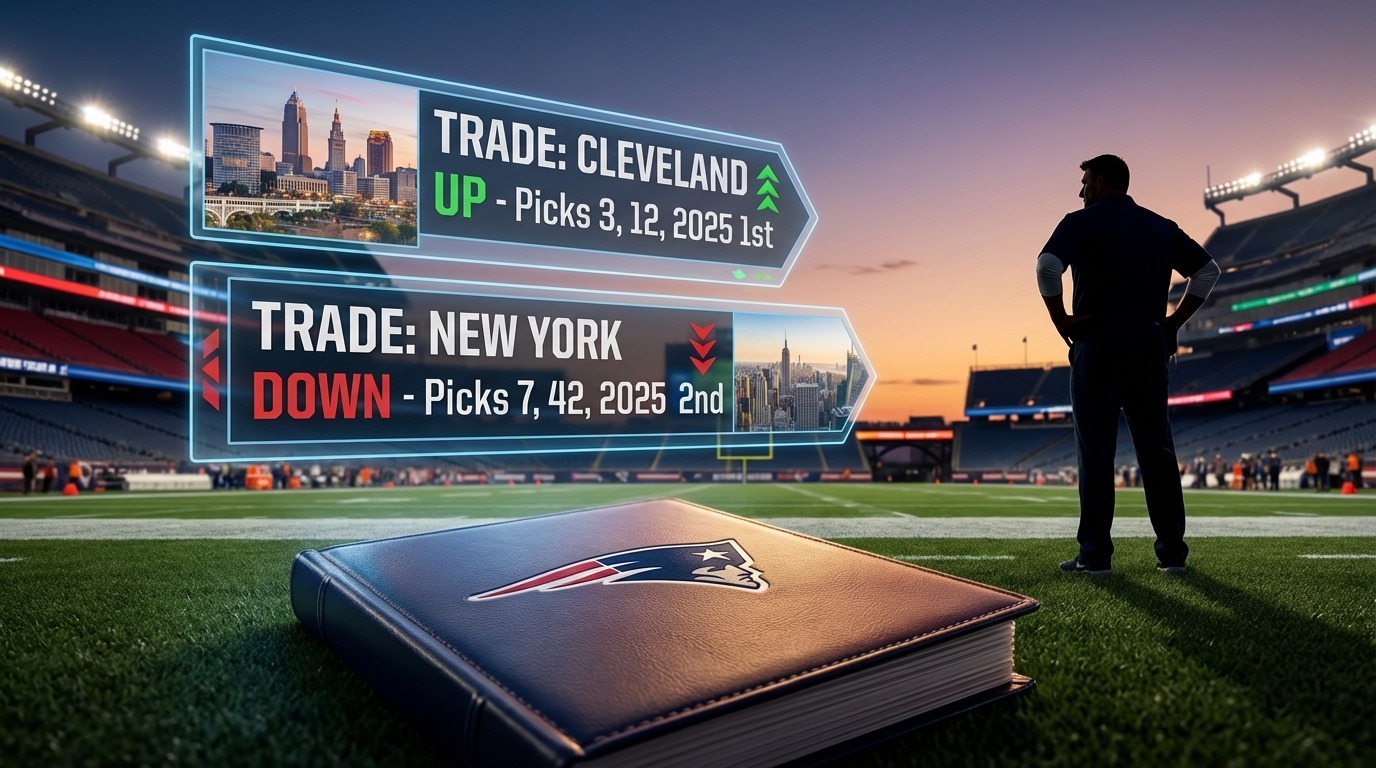
First, we examine a moderate trade up with the Cleveland Browns that would likely cost New England a late third round pick and a sixth rounder. Second, we break down a trade down with the New York Jets and its intra division implications. We weigh needs for edge rusher and wide receiver, roster flexibility, and the fifth year option risk. Therefore we project outcomes, draft value, and what each move would mean for the Patriots before draft day.
Expect analysis of cost, positional fits, and front office strategy. We will use insider reporting and projection models to judge trade merit.

Patriots draft trades
Bill Barnwell laid out two realistic paths for New England. First, a moderate trade up with the Cleveland Browns would cost draft capital. Specifically, Barnwell notes, “This would be a moderate move up, costing the Pats a late third-round pick and a sixth-rounder.” Because the Patriots still hold multiple late picks, they could afford that cost. For example, New England enters the draft with 11 selections, including four sixth-round picks. Therefore moving a sixth makes sense if the front office values one targeted player above available options.
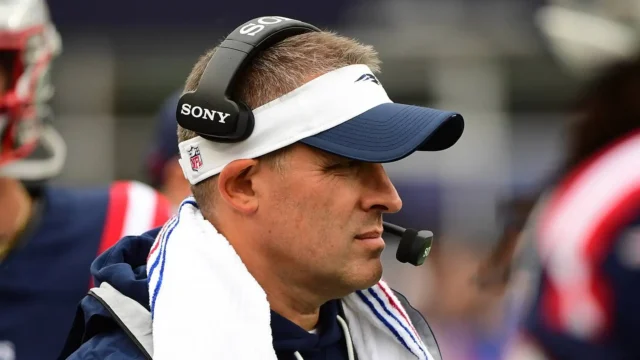
In practical terms, the trade up scenario aims to secure an impact edge rusher or a top receiving prospect. Eliot Wolf and Mike Vrabel would signal urgency by surrendering two mid-to-late picks. As a result, the Patriots could close on a player they view as a clear starter. However, the cost removes depth and limits later-round upside. For context on how the Pats have used visit activity to shape plans, see the 2026 visit tracker.
The second path is a trade down with the New York Jets. Under Barnwell’s outline, the Patriots could flip the 31st overall pick for top-50 picks from New York. Yet this move carries a material downside. Namely, New England would forfeit the fifth-year option on its top rookie selection if the pick sits outside the top 32 in value. Moreover, Barnwell adds that “New York shouldn’t be trading up very often, but if it has one player left in a tier at a position it really values, moving up would lock in that player.” The Jets’ intra-division interest creates an ‘intra-division tax,’ which could push the price up.
Strategically, trading down favors roster flexibility. The Patriots would gain two earlier picks and maintain more windows to draft value. However, they would lose a guaranteed fifth-year control on a premium rookie. Consequently, the choice becomes a calculus between an immediate impact starter and longer term draft depth. For deeper roster context and edge rusher fits, see the Maxx Crosby framework and the Boutte Pitts rumor file.
In sum, both offers fit New England’s offseason language of flexibility. Yet the final decision will rest with Wolf and Vrabel. As Vrabel admitted, “Maybe we trade up, maybe we trade out. I don’t know.” Thus watch how pre draft visits and tier boards change in the coming weeks. For Barnwell’s broader drafting lens, refer to ESPN.
Patriots draft trades
Below is a side by side comparison of the two Barnwell scenarios. Barnwell called the Browns move a moderate trade up. “This would be a moderate move up, costing the Pats a late third round pick and a sixth rounder.”
| Trade scenario | Trade cost | Draft pick changes | Strategic benefits | Potential risks | Roster impact |
|---|---|---|---|---|---|
| Trade up with Cleveland Browns | Cost: late third round pick and a sixth round pick | Patriots give up late third and a sixth and move into the high first round | Secure immediate starter at edge or wide receiver and fill top need | Lose depth and later round upside and fewer swing picks | Boosts edge rush priority and may delay receiver depth |
| Trade down with New York Jets | Trade the 31st pick for New York top 50 picks | Patriots gain multiple earlier picks and draft flexibility | Gain draft capital and depth and sacrifice immediate top tier starter | Lose fifth year option on top rookie if value falls below top 32 | Helps depth at multiple spots but reduces rookie control window |
Patriots hold the 31st pick and 11 selections overall, including four sixth round picks. Therefore any trade will change draft value and roster flexibility. “Maybe we trade up, maybe we trade out. I don’t know,” Vrabel said.
Patriots draft trades: draft flexibility and front office plans
Eliot Wolf and Mike Vrabel have emphasized draft flexibility as a core strategy this offseason. They want options, not a single target. As Vrabel admitted, “Maybe we trade up, maybe we trade out. I don’t know.” That quote signals openness.
Flexibility means several things. First, New England can move up to grab a high grade player. Second, they can move down to accumulate picks. Third, they can stand pat if value remains.
Front office priorities remain clear. Edge rushers and wide receivers top the list. Because the Patriots finished with late picks, they can afford to surrender a sixth rounder in a trade up. However, trading down would protect depth. Therefore Wolf must weigh immediate starter versus roster balance.
Key considerations
- Cost versus reward. A trade up for Cleveland would cost a late third and a sixth. As a result, the Pats would target a starter ready player.
- Fifth year option. Trading the 31st pick down to the Jets could remove the fifth year option for the top rookie, which matters for veteran contract control.
- Intra division dynamics. The Jets may pay an extra price to move inside the division. Barnwell called that the ‘intra division tax.’
- Tier boards and visits. Teams adjust values after pre draft visits and meetings. Consequently the Pats’ plans can shift quickly.
Strategically, flexibility keeps leverage. It allows the front office to react to runs at positions. Moreover, it preserves bargaining power in trade talks.
In short, Wolf and Vrabel prioritize optionality. They will balance immediate need and long term control. Yet the final call rests on draft day flows and which players remain.
Conclusion
Two clear Patriots draft trades stand out heading into the 2026 NFL Draft. First, a moderate trade up with the Cleveland Browns would cost a late third round pick and a sixth rounder. Second, a trade down to the New York Jets would net top 50 picks but could eliminate the fifth year option on New England’s top rookie.
From an analytical perspective, both options fit the team’s stated goal of flexibility. Eliot Wolf and Mike Vrabel can chase an immediate starter or build draft depth. Therefore the real choice is a balance between short term impact and long term control. Because the Jets are a divisional rival, the intra division tax could raise the price for any move down.
Follow Patriots Report LLC for ongoing coverage and deeper takes. Visit Patriots Report and follow on Twitter at @ZachGatsby for updates and insider notes as draft day approaches.
Frequently Asked Questions (FAQs)
What are the two main Patriots draft trades being considered?
– Trade up with the Cleveland Browns. This move would push New England into a higher slot to lock a targeted player. It aims to secure an immediate starter at edge or wide receiver.
– Trade down with the New York Jets. This deal would flip the 31st pick for New York’s top-50 picks. It would add draft capital and depth but change rookie contract control.
What would trading up with the Browns cost?
– According to Bill Barnwell, the cost is a late third round pick and a sixth round pick. He wrote, “This would be a moderate move up, costing the Pats a late third-round pick and a sixth-rounder.”
– New England enters the draft with 11 selections, including four sixth-round picks. Therefore surrendering one sixth is feasible if front office values the target.
How does trading down with the Jets impact the Patriots’ future?
– Trading down gains earlier picks and roster flexibility. As a result, the Pats can address multiple needs in the same draft.
– However, the move could remove the fifth-year option on the top rookie. That loss reduces long term contract control and future cap certainty.
– Moreover, the Jets are a divisional rival. Consequently an intra-division tax could raise the price of the trade.
What positions might the Patriots prioritize in the draft?
– Edge rusher is a top priority because pass rush remains a need.
– Wide receiver also ranks high to add playmakers and depth.
– Additionally, flexibility allows the team to pivot to secondary or OL value. Therefore they can take the best player available if needed.
Why is draft flexibility important for the Patriots?
– Flexibility preserves optionality and leverage during trade talks. It lets Wolf and Vrabel react to draft runs and tier drops.
– In short, flexibility balances immediate impact versus long term depth. As Vrabel said, “Maybe we trade up, maybe we trade out. I don’t know.”