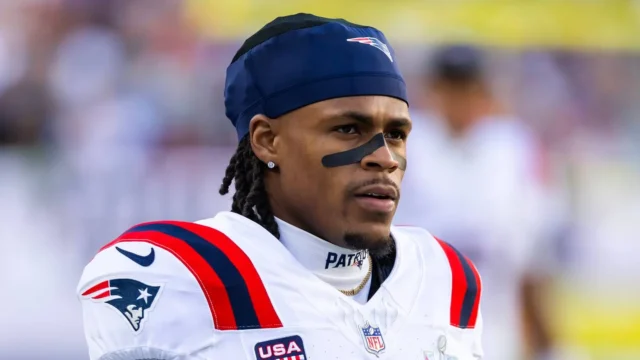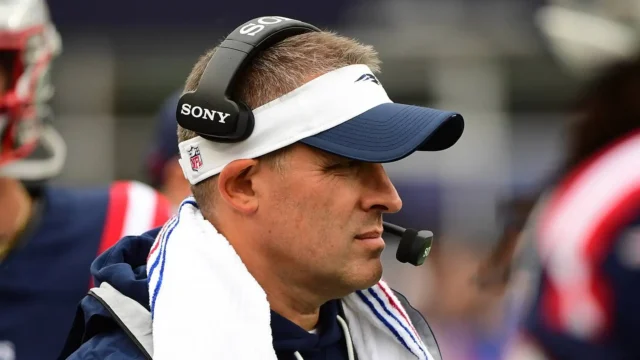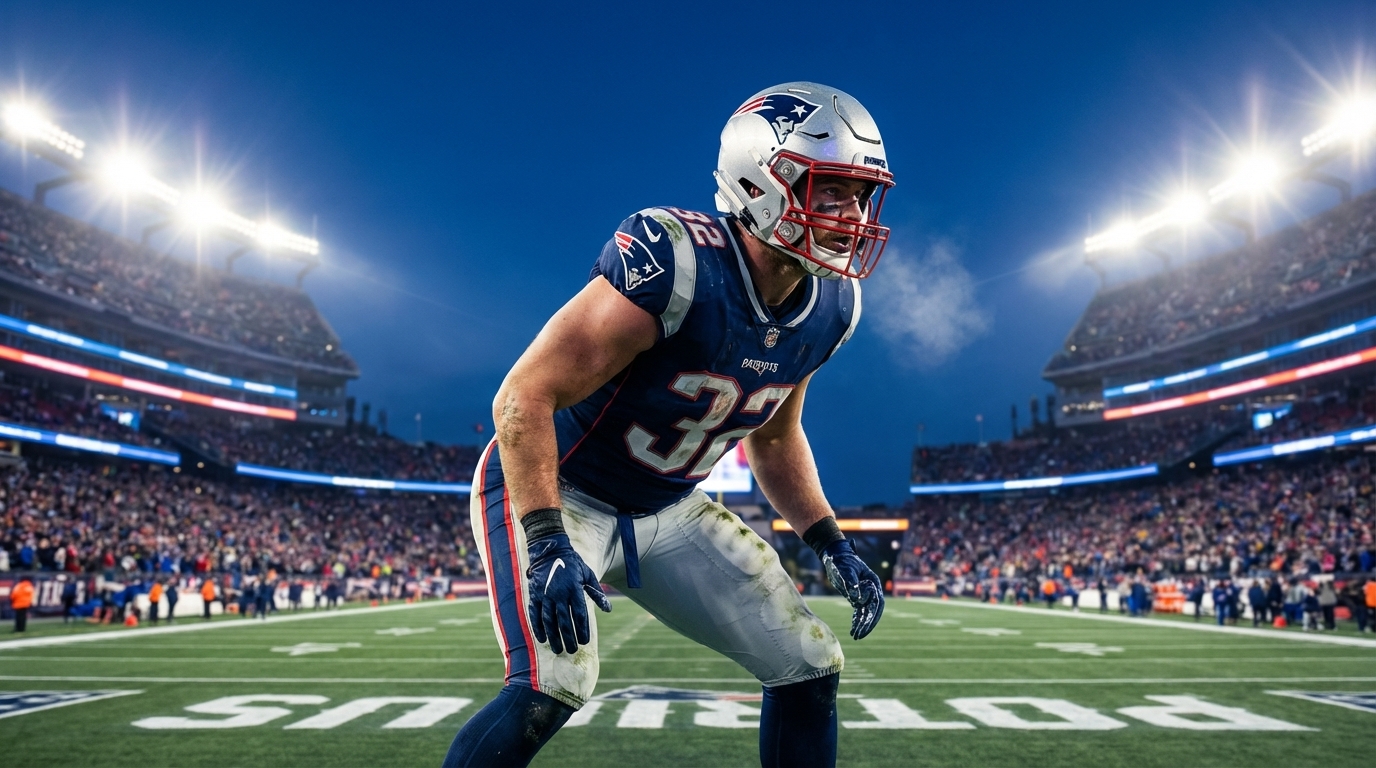
As the NFL offseason unfolds, strategic player roster decisions become crucial for teams like the New England Patriots. One significant move on the table is whether the Patriots should re-sign Anfernee Jennings. Known for his versatility and recent standout performances, Jennings’ free agency status has piqued interest among Patriots fans and analysts alike.
During the 2026 offseason, the Patriots face the challenge of bolstering their linebacker depth, and Jennings offers a potential solution. With impressive postseason stats, including 16 tackles and two sacks in four games, he demonstrates value both as a rising star and a tactical asset. The question remains: can the Patriots afford to pass on the opportunity to bring Jennings back as they prepare for the upcoming draft?
Patriots re-sign Anfernee Jennings: Postseason impact and defensive value
Anfernee Jennings emerged as a reliable defensive option during the Patriots’ playoff run. When Harold Landry missed time, Jennings stepped into a larger role and delivered timely plays. Because he produced under pressure, his postseason tape deserves careful study by the front office.
Key postseason contributions
- Raw line and context: 16 total tackles, two sacks, and five hurries across four games. These numbers show production in a small sample.
- Per game averages: Averaged 4.0 tackles, 0.5 sacks, and 1.25 hurries per contest. Therefore he delivered steady per-game impact.
- Pass rush value: Five hurries indicate Jennings created disruption beyond the two sacks. As a result, quarterbacks faced more hurried throws and quicker decisions.
- Run defense and gap integrity: He helped stabilize linebacker play while Landry was sidelined. Consequently, the Patriots avoided a steep dropoff in short-yardage tackling and edge containment.
- Role versatility: Jennings functioned as a rotation pass rusher and a situational linebacker. This flexibility matters because it lets coaches mix packages without losing edge pressure.
- Cost and timing: Re-signing him on a short, inexpensive deal would buy the team continuity and depth. Moreover, it would allow scouts to target long-term solutions in the draft.
Taken together, Jennings’ postseason metrics and situational reliability make a compelling on-field case. If New England wants a low-risk answer at linebacker, his recent tape argues strongly for bringing him back.

Linebacker Options: Quick Comparison Table
| Player | Status | Key Stats (Tackles, Sacks, Hurries) | Contract Situation | Strategic Value |
|---|---|---|---|---|
| Anfernee Jennings | Free agent — potential re-sign | 16 tackles, 2 sacks, 5 hurries (four postseason games) | Candidate for a cheap one year deal | Immediate linebacker depth, playoff proven rotation edge rusher, special teams contributor |
| Harold Landry | Current starter — injured at times | Limited postseason snaps due to injury | Under contract | Primary edge rusher when healthy, starter level impact and leadership |
| Current roster backups | On roster | Modest regular season snaps; limited pass rush production | Generally team controlled contracts | Provides depth on special teams and spot defensive snaps but lacks consistent pass rush |
| Draft prospects | Draft target | N A | Cost controlled rookie contracts | Long term upside but unlikely to solve immediate 2026 depth needs |
| Veteran free agents | Open market | Varied by player | Moderate to high cost | Potential short term upgrade; fit and price vary |
Table note: In short, a low cost one year reunion with Jennings would bridge immediate edge rushing and special teams needs while preserving cap flexibility and draft options. Therefore it stands as a sensible stopgap as the Patriots evaluate long term linebacker upgrades.
Strategic case to Patriots re-sign Anfernee Jennings
Re-signing Jennings on a cheap one-year deal makes strategic sense for New England this offseason. Linebacker depth ranks high on the team’s list of needs ahead of the draft. Because he proved capable in the postseason, Jennings offers immediate, game-ready production. Therefore the front office could buy certainty while evaluating draft options.
Drafting remains the long-term route to upgrade the position. However, rookies seldom start and contribute immediately at the NFL level. As a result, a one-year veteran stopgap like Jennings reduces roster risk. It also maintains cap flexibility for more impactful moves.
Jennings can play situational snaps as a rotation pass rusher. He also stabilizes special teams and short-yardage defense packages. Because Harold Landry missed time late, depth matters more than usual. Consequently, Jennings mitigates single-injury failure modes on the edge.
Efstathios Savvidis argued the Patriots should circle back to Jennings. His point centers on immediate depth and postseason-track performance. Therefore, Savvidis recommends using a cheap contract to test continuity.
Practical benefits include:
- Immediate edge pressure. He produced two sacks and five hurries in the postseason.
- Roster insurance for training camp, therefore coaches can evaluate rookies calmly.
- Salary control. A one-year deal preserves cap space for other needs.
- Mentorship. Jennings can help younger linebackers adapt to the system.
In short, re-signing Jennings balances short-term security with long-term planning. Moreover, it is a low-risk move that keeps the Patriots flexible before the draft.
In conclusion, re-signing Anfernee Jennings on a one-year, cost-controlled deal presents clear tactical upside for New England. His postseason burst proved he can step up when starters miss time. Because linebacker depth ranks as a top offseason need, Jennings gives coaches immediate rotation options and special teams reliability. Therefore the move reduces roster risk while preserving cap space for other priorities.
Moreover, a short-term reunion lets the Patriots evaluate younger prospects without urgency. It also buys the front office flexibility to target a long-term upgrade in the draft. Efstathios Savvidis’ recommendation to circle back carries weight for that reason. His logic ties postseason performance to practical roster planning.
In sum, signing Jennings is a low-risk, high-reward choice. It balances veteran security with roster development, and it keeps the team prepared for training camp and beyond. For further analysis and coverage from Patriots Report LLC, visit Patriots Report LLC and follow updates on Twitter at @ZachGatsby.
Frequently Asked Questions (FAQs)
Will the Patriots re-sign Anfernee Jennings?
The Patriots could re-sign Anfernee Jennings on a short, cost-controlled deal. Because he proved himself in the postseason, the team has clear incentive to circle back. A one-year reunion would buy roster certainty while scouts evaluate draft targets. Therefore it stands as a sensible low-risk option for New England.
What role would Jennings fill if re-signed?
Jennings would slot as a rotation linebacker and situational pass rusher. He also offers special teams value and short-yardage reliability. Coaches could use him in dime packages and obvious pass-rush situations. As a result, he reduces pressure on younger linebackers to produce immediately.
How does re-signing Jennings affect draft and offseason strategy?
Bringing Jennings back preserves draft flexibility and reduces urgency at linebacker. It lets the front office wait for the best prospect rather than reach early. For context on broader offseason goals, see related coverage about building edge depth at this link. Consequently, the team can balance immediate need with long-term planning.
What are the financial and contract implications of signing him?
A cheap one-year deal limits salary cap risk while granting roster insurance. It avoids long-term commitments that could block future moves. For discussion of contract levers and tag candidates, consider this primer: this resource. In short, the price structure makes Jennings an appealing low-cost option.
How urgent is the linebacker depth issue and who else factors in?
Linebacker depth ranks among the Patriots’ top offseason needs, especially after Landry’s absence. Existing backups show modest production, which raises urgency. Free agency and internal evaluations will matter, and you can follow broader free agency context here: this overview. Therefore re-signing Jennings would act as immediate insurance while the team explores longer-term upgrades.