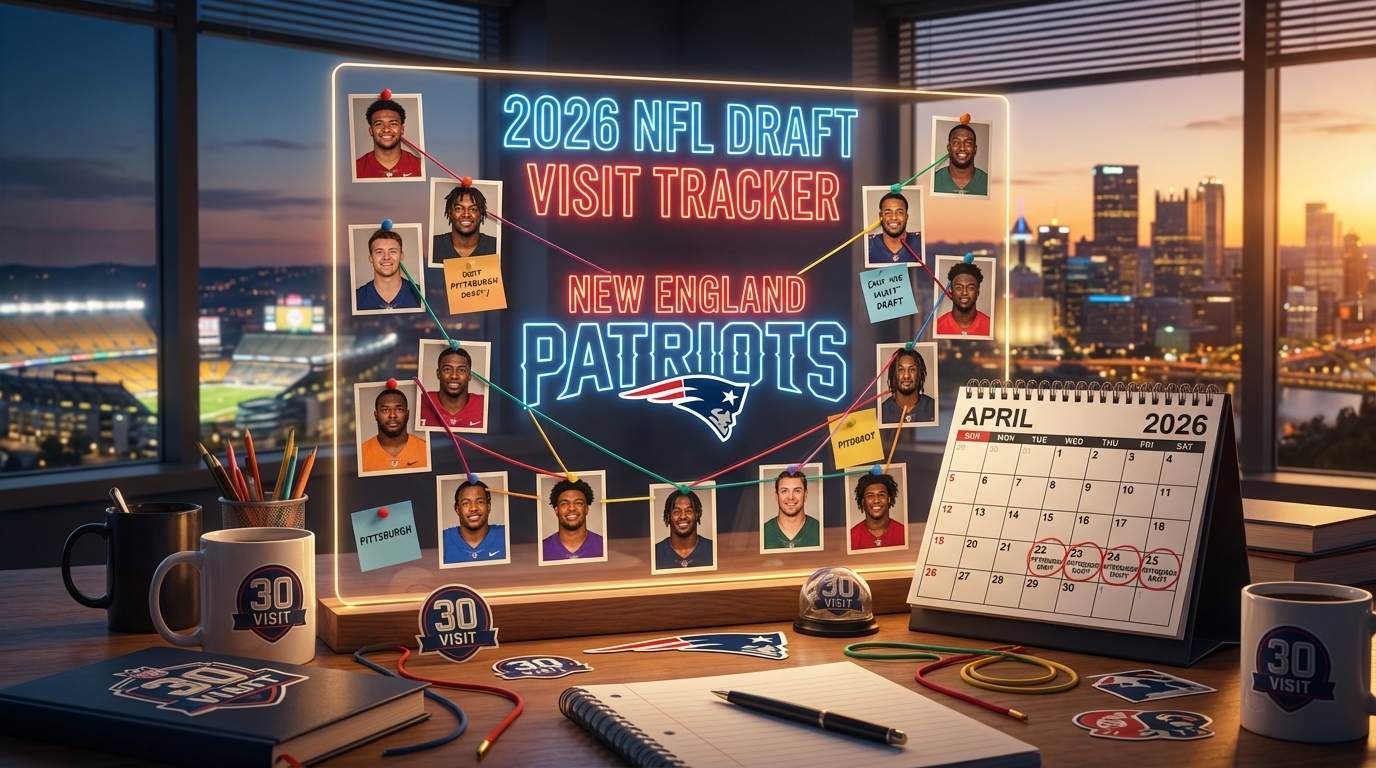
The 2026 NFL Draft Visit Tracker gives real time insights into team strategies and draft day thinking. For fans and insiders, it reveals who teams favor and why they act. Additionally, the 2026 draft runs April 23 to 25 in Pittsburgh, Pennsylvania, marking a historic return.
Because teams host 30 visit slates and private workouts, observers can read roster priorities quickly. Therefore, by logging on campus visits, Combine interviews, and private meetings, the tracker compiles timing, positional focus, medical and character notes, and competitive intel that helps predict trading targets, mock draft swings, and late round steals for front offices, scouts, agents, and savvy fans alike.
As a result, it turns scattered whispers into measurable trends that often shift in the days before and during Draft weekend, while also giving bookmakers and media clearer storylines to follow, and this depth significantly changes board movement and late night decision making on draft night.
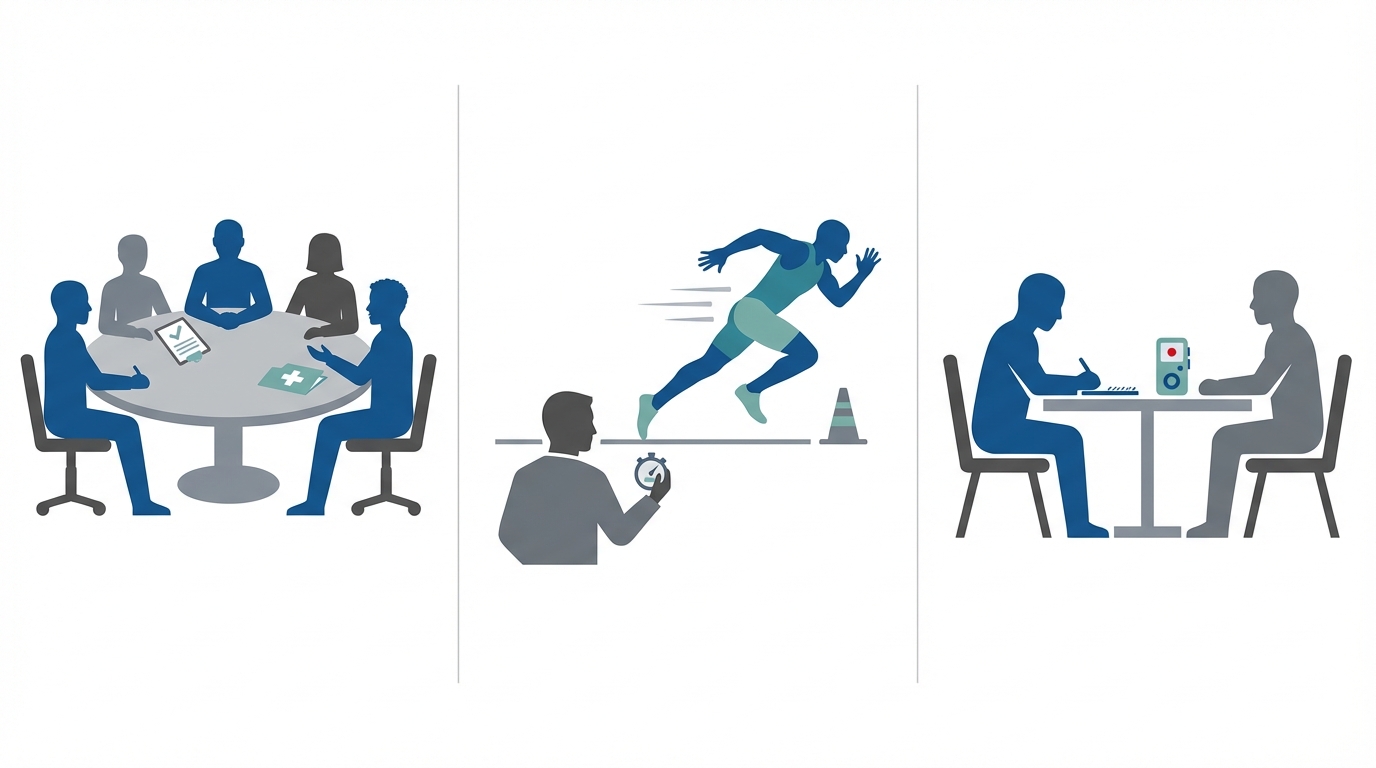
2026 NFL Draft Visit Tracker: Types of Visits and What They Mean
The 2026 NFL Draft Visit Tracker groups visits into three clear categories. They include 30 Visits, Pro Days and Private Workouts, and Combine Formal Interviews. Because each category serves a different scouting need, teams use them to gather unique intel and confirm board evaluations.
Deciphering 30 Visits: How Teams Reveal Draft Priorities
Teams can host up to 30 prospects for on-campus visits and medical reviews. Local players often do not count toward this limit. For example, the San Francisco 49ers announced a 30-visit slate that included Denzel Boston and Jordan Hudson. Therefore, a 30-visit invitation sends a strong signal about a team’s priority and roster intent. Scouts use these visits to run full medical checks, conduct deep interviews, and stage position drills.
Pro Days and Private Workouts
Pro Days and private workouts let teams test athletic traits and scheme fit. As a result, teams arrange timed drills, position-specific work, and closed-door meetings. These private visits let coaches evaluate hands, route running, and play recognition. Moreover, they provide another chance to check medicals and character notes before Draft weekend.
Combine Formal Interviews
The 2026 NFL Scouting Combine runs February 23 to March 2. At the Combine, teams can interview up to 45 players among roughly 300 invitees. Therefore, the Combine offers standardized testing and side-by-side comparisons. Because interviews are formal, teams gather consistent background checks, medical follow-ups, and first impressions under pressure.
Why it matters
Taken together, these visit types create a layered scouting picture. The tracker merges 30 Visits, private meetings, and Combine interviews to reveal team tendencies. Consequently, analysts and insiders can forecast trade targets, mock draft swings, and late-round value picks.
Related reading and sources
| Team Name | Number of 30 Visits | Notable Prospects Visited | Special Notes |
|---|---|---|---|
| San Francisco 49ers | 30 | Denzel Boston; Jordan Hudson; KC Concepcion; Omar Cooper Jr; Romello Height | Hosted a full 30-visit slate. Local players may not count toward the limit. |
| Kansas City Chiefs | Not publicly disclosed | — | Team has not released a full visit list for 2026. |
| New England Patriots | Not publicly disclosed | — | See visit tracker for Patriots-specific notes and potential trade implications. |
| Pittsburgh Steelers | Not publicly disclosed | — | Draft host city for April 23–25, 2026; local prospects may not count toward team limits. |
| League wide | Up to 30 per team | Combine interviews: teams can interview up to 45 players | 2026 Combine Feb 23–Mar 2; roughly 300+ invitees; tracker includes Pro Days and private workouts. |
Strategic Insights from the 2026 NFL Draft Visit Tracker
The 2026 NFL Draft Visit Tracker reveals strategic patterns teams hide behind public statements. By logging offseason tracking, private meetings, and on-site visits, the tracker turns scattered signals into clear trends. For example, when the San Francisco 49ers hosted a full 30-visit slate that included Denzel Boston and Jordan Hudson, scouts and media treated that as a top-tier interest indicator. Teams use those visits to probe medical histories, test scheme fit, and verify character under pressure. As a result, visits often correlate with upward movement on draft boards.
Visit density matters. A cluster of private meetings and Pro Day workouts for a single prospect indicates growing conviction. Conversely, quiet files and few interviews can signal late-round or UDFA status. The tracker helps parse those differences. It shows whether teams schedule repeated follow-ups or one-off interviews. Because teams can host up to 30 visits and interview up to 45 players at the Combine, the tracker highlights where clubs spend their limited resources.
Pittsburgh adds another layer. This draft runs April 23 to 25 in the city. It marks the first time Pittsburgh has hosted since 1948. Local context shapes visit strategy. Teams may grant extra access to regionally based draft-eligible players. That flexibility affects special notes in the tracker and can change the competitive landscape.
Practical uses for analysts and insiders
- Predict trade talk and mock draft swings by tracking teams with heavy visit sheets. Because repeated private meetings usually precede trade discussions, the tracker surfaces likely targets.
- Spot scheme fits and positional priorities by counting visit types. For example, more offensive lineman visits often mean a team will address protection early.
- Identify sleeper candidates when players log Pro Day sessions and private workouts but receive fewer Combine interviews.
The tracker’s real value lies in layering data. When 30 Visits, Combine interviews, and private meetings align, insiders gain high-confidence intel. Therefore, the tracker becomes essential for forecasting draft-night choices and refining rumor context.
Related team tracking and visit-driven rumors here.
What the visit tracker reveals in depth here.
Draft visits and trade rumor context here.
CONCLUSION
The 2026 NFL Draft Visit Tracker sharpens draft-night clarity for fans and insiders. It aggregates 30 Visits, Pro Days, and Combine interviews into a single view. Therefore, it surfaces team intent and player value ahead of Draft weekend.
Because teams must limit visits and Combine interviews, each entry carries weight. When the San Francisco 49ers hosted Denzel Boston and Jordan Hudson, evaluators took note. As a result, analysts can better predict trades, mock draft swings, and late steals.
Pittsburgh hosting for the first time since 1948 increases regional scouting significance. Patriots Report LLC provides ongoing expert analysis and continuous updates for readers. Visit patriotsreport.com and follow Twitter @ZachGatsby for the latest tracker entries, depth notes, and insider context. This tracker remains essential for anyone following offseason tracking and private meetings.
What is the purpose of the 2026 NFL Draft Visit Tracker?
The tracker centralizes 30 Visits, Pro Days, and Combine interviews into one feed so readers can see which prospects draw sustained club interest. Teams, scouts, agents, and savvy fans use it to verify medical and character notes and to parse trade rumors quickly.
How do different visit types affect draft outcomes?
Thirty Visit invitations typically indicate high priority, while a single Combine interview often signals mid to late round interest. Pro Days and private workouts reveal scheme fit and technical traits and can raise a player’s stock when repeated follow ups occur.
Can the tracker predict trades and mock draft swings?
It highlights patterns and resource allocation that often precede trade conversations, increasing confidence in projections. Nevertheless, teams sometimes make surprise moves, so the tracker should inform rather than guarantee forecasts.
Where should I check for the latest visit updates?
Follow dedicated draft tracking pages, reputable beat writers, and team reports for real time entries and confirmations. Also monitor official team channels and trusted reporters for late additions and clarifications.
Who benefits most from the Visit Tracker?
Scouts, agents, beat writers, and informed fans gain the most value because the tracker aggregates medical, character, and meeting data. Front office staffs use it to cross check intel and refine draft night decision making.