Patriots 2026 NFL Draft Mock Drafts: Anticipation and Strategy
Patriots 2026 NFL Draft Mock Drafts already fuel offseason conversation among fans and analysts. With the April draft in Pittsburgh closing in, expectations are rising fast. Mock drafts give insight into New England’s likely priorities, especially at edge, receiver, and tight end. They blend college tape, combine testing, and roster need to form plausible scenarios. Therefore fans can read mocks to gauge strategy, possible trades, and front-office appetite. As a result this analysis balances analytics and fan perspective to map the Patriots’ draft pathways. In short we will unpack mock scenarios, tight end profiles, and strategic moves ahead of draft weekend.
Tight End Draft Profiles for Patriots 2026 NFL Draft Mock Drafts
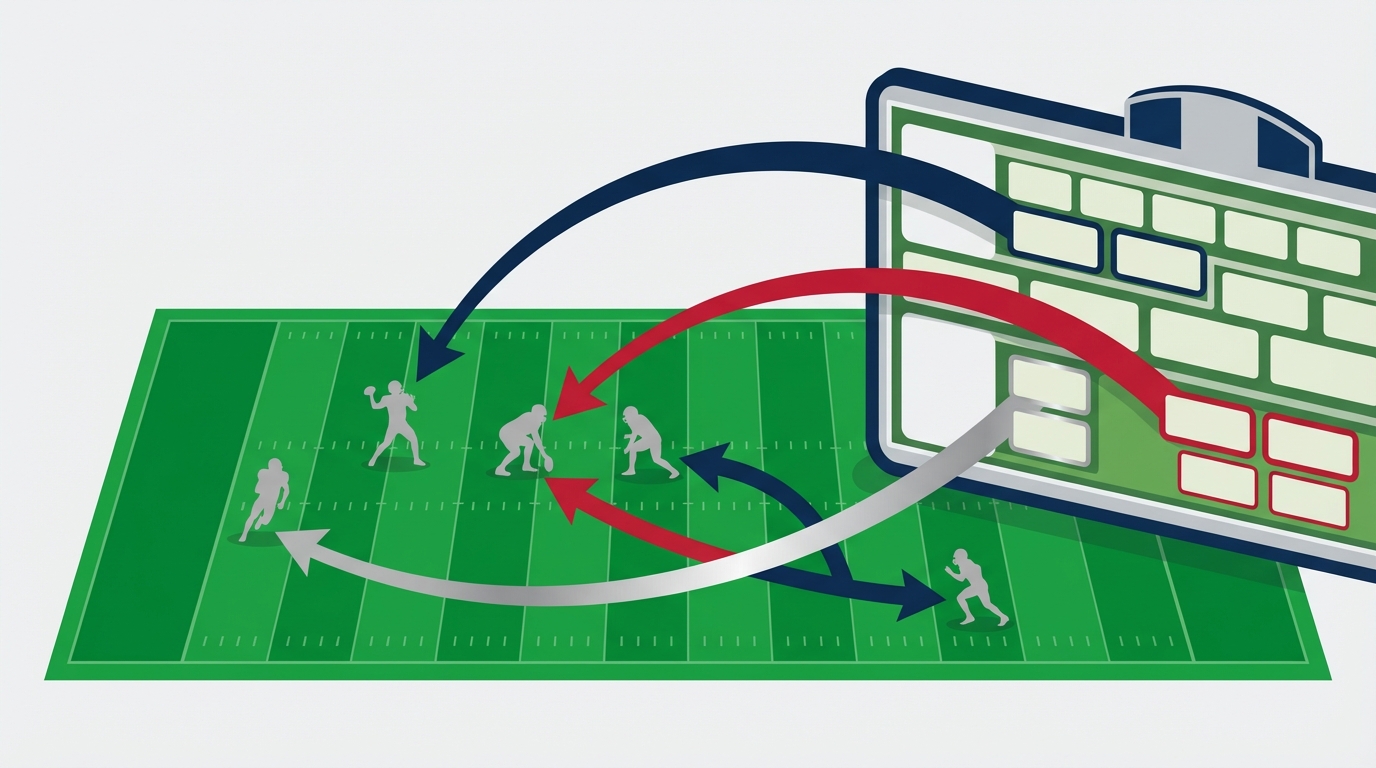
Tight end is a position the Patriots could target in multiple ways. Therefore understanding archetypes helps explain mock decisions. Coach Mike Vrabel even noted that tight ends now come in different styles. He said, “There’s going to be different styles of tight end. Ones that are going to be maybe better pass catchers and harder, tougher matchups for defenses.” As a result New England’s draft plan must weigh blocking, receiving, and three down versatility.
Max Klare — Ohio State
A likely Day Two target and the pick in Patriots Mock Draft 1.0, Klare pairs athleticism with NFL size.
- Position: Tight end
- College: Ohio State
- Mock Draft 1.0: selected 3-95
- Strengths: reliable hands, route polish, contested catch ability
- Concerns: blocking consistency at the line of scrimmage
Klare fits a pass-first TE role. However he can still work as an inline mismatch on third down.
Oscar Delp — Georgia
Delp tested after a hairline foot fracture, yet his tape shows three down upside. Therefore teams view him as a developmental starter.
- Position: Tight end
- College: Georgia
- Size: 6 feet 5 inches, 245 pounds
- Trait: excellent run after catch and blocking potential
- Draft range: Day Three to late Day Two
Delp offers a mix of blocking and route work. Because he healed well, his 2026 stock could rise.
Sam Roush — Oregon
Roush brings length and contested catch ability. He also has family lineage tied to Merlin Olsen.
- Position: Tight end
- College: Oregon
- Size: 6 feet 6 inches, 267 pounds
- 2025: 49 receptions, 545 yards, 2 TDs; 69-yard catch highlight
- Trait: vertical threat and catch radius
Roush projects as a big-bodied red zone target. Therefore he appeals to teams that need size in passing sets.
Dallen Bentley — Versatile Day Three Option
Bentley resembles the athletic move tight end who can split out as a receiver.
- Position: Tight end
- Size: 6 feet 4 inches, 253 pounds
- 2025: 48 receptions, 620 yards, 6 TDs
- Testing: 4.62 40 time; RAS 9.31
Because Bentley creates mismatches, he can be a quick slot or H-back addition.
How these profiles shape Patriots strategy
New England must choose between a blocker, a hybrid, or a pass catcher. Mock drafts show the team exploring all three paths. For deeper context on fitting prospects and scheme matches, see Patriots draft sleepers and Vrabel-fit prospects. Also review how draft choices might link to wide receiver needs at Patriots 2026 draft WR prospects. Finally, consider front office philosophy and how the board could shift with cap moves at Patriots draft strategy 2026.
In short the TE class offers clear stylistic choices. Therefore mock drafts help fans visualize the Patriots’ path. As a result we can better judge whether New England drafts for blocking, matchup creation, or three down flexibility.
| Player | Position | College | Key measurables | 2025 stats | Scouting notes |
|---|---|---|---|---|---|
| R Mason Thomas | Edge | Oklahoma | Games: 10 in 2025; combine unknown | 26 tackles; 9.5 TFL; 6.5 sacks; 1 PD; 1 FF; 1 FR | Explosive pass rusher when healthy. Missed three games in 2025. Fits edge need in Patriots Mock Draft 1.0. |
| Germie Bernard | Wide receiver | Alabama | 40-yard dash: 4.48; 3-cone: 6.71 (88th pct) | College production varied; strong athletic testing | Quick and fluid route runner. High agility and separation skills. Useful in third down sets. |
| Max Klare | Tight end | Ohio State | Size and athleticism; pro day testing mixed | Drafted in Patriots Mock Draft 1.0 at 3-95 | Reliable hands and route polish. Needs to improve inline blocking. Good contested catch upside. |
| Bryce Boettcher | Linebacker | Oregon | Measurables not listed in facts | Mock Draft 1.0 pick at 4-125 | Versatile off ball linebacker. Good instincts and range. Fits special teams early role. |
| Bowry | Interior lineman | College unspecified | Height: 6-5; Weight: 314 lb; 40: 5.08; Vertical: 34.5; Broad: 9-7; RAS: 9.37 | College stats not listed | Strong size and athletic profile. Explosive at point of attack. Schemed as move interior blocker. |
| Adam Randall | Running back / returner | Clemson | Height: 6-3; Weight: 232; 40: 4.50; Vertical: 37 in | 814 rushing yards; 10 rushing TDs; 36 receptions for 254 yards and 3 receiving TDs; KR avg 23.7 yds | Dual threat runner and returner. Good open field ability and special teams upside. |
| Dallen Bentley | Tight end | College unspecified | Height: 6-4; Weight: 253; 40: 4.62; RAS: 9.31 | 48 receptions; 620 yards; 6 TDs in 2025 | Move tight end who creates mismatches. Slot usage likely early. Day three prospect with upside. |
| Sam Roush | Tight end | Oregon | Height: 6-6; Weight: 267 | 49 receptions; 545 yards; 2 TDs in 2025; 69-yard catch | Big target with long catch radius. Red zone threat and contested-catch specialist. |
| Oscar Delp | Tight end | Georgia | Height: 6-5; Weight: 245; tested after hairline foot fracture | Tape shows blocking and receiving upside; recovery noted | Three down projection with developmental blocking. Upside on Day three. |
| Marshall | Cornerback | College unspecified | Height: 5-11; Weight: 200 | 2 interceptions; 16 passes defensed in 2025 | Physical corner with ball skills. Competitive and proven in coverage. |
Patriots 2026 NFL Draft Mock Drafts and Draft Strategy
Patriots Mock Draft 1.0 gives a baseline for how New England might attack the board. In that mock the team prioritized an edge rusher at 1-31. That pick highlights a clear early-round need. Because edge rushers drive pressure and change defenses, the Patriots could use an athletic pass rusher as a foundational piece.
First round and early rounds
- Target premium pass rush and left tackle help
- Value athleticism and length for immediate impact
- Consider injury history and availability, as with R Mason Thomas
In middle rounds teams often seek upside and role players. Therefore Patriots may hunt for tight ends, receivers, and interior linemen who fit scheme needs. For example, Max Klare at 3-95 in Patriots Mock Draft 1.0 represents a Day Two tight end who can create mismatches. Meanwhile later picks can add depth and special teams contributors.
Late rounds and developmental strategy
- Find high-upside day three tight ends and linebackers
- Draft players who can start on special teams
- Use picks to build competition and depth behind veterans
Coach Mike Vrabel’s comments on tight ends influence roster decisions. He noted diverse tight end styles exist, from inline maulers to move receivers. As a result New England might mix prototypes. Therefore a blocking tight end and a move tight end could both be on the board.
Trade flexibility matters because the first round now moves faster. With eight minutes per pick, teams must act quickly. Consequently Patriots may need pre-draft clarity on targets and backup plans. They will also weigh cap considerations and roster construction.
In short, mock drafts provide a map. However real draft day decisions depend on medicals, workouts, and the board. Therefore fans should use Patriots Mock Draft 1.0 as a guide, not a prediction.
Conclusion
This deep dive used Patriots Mock Draft 1.0 to map possible roster moves and strategic priorities. The mock emphasizes adding an edge rusher early, with receiver and tight end help later. We examined tight end profiles such as Max Klare, Oscar Delp, Sam Roush, and Dallen Bentley. Each prospect brings distinct strengths in blocking, receiving, or matchup creation. Coach Mike Vrabel’s comments about tight end styles directly affect which types the Patriots will pursue. Therefore New England may balance inline blockers with move receivers. Medicals, workouts, and cap space will alter final choices. Moreover trades and fast first round clocks increase the need for clear draft plans. Use mock drafts to set expectations, not to lock outcomes.
For ongoing analysis visit Patriots Report LLC and follow their Twitter at ZachGatsby. In short, draft season promises excitement and improvement. Fans should be optimistic heading into April. Stay tuned for more analysis.
Frequently Asked Questions
Who are the top Patriots 2026 prospects to watch?
The board highlights a few names. For example R Mason Thomas the edge rusher, Germie Bernard at receiver, Max Klare at tight end, and Bryce Boettcher at linebacker. Each brings distinct traits like pass rush, separation, contested catches, and range.
What does Patriots draft strategy look like?
New England may prioritize an edge rusher early, because pressure wins games. In middle rounds they will chase tight ends, receivers, and interior linemen. Later picks likely target special teams players and developmental prospects.
Which tight end styles should fans expect?
Coach Mike Vrabel says tight ends come in different styles. Therefore expect three prototypes
- Inline blocker for run schemes
- Move tight end who creates mismatches
- Hybrid three down player who blocks and routes
Teams may draft a mix to balance the roster.
How much should fans trust mock drafts?
Mock drafts offer frames, not guarantees. They reflect tape, testing, and roster need. However medicals, workouts, trades, and draft-day runs change outcomes. So use mocks to set expectations, not to lock answers.
Where can I follow detailed Patriots draft coverage?
For deeper breakdowns and updates visit Patriots Report LLC and follow their Twitter handle @ZachGatsby. They publish mock updates, film notes, and roster analysis.