As the New England Patriots navigate the complexities of the NFL offseason, addressing the wide receiver market emerges as a crucial strategy. Enter Alec Pierce, a player whose fit for the New England Patriots could redefine their offensive lineup. With the need for a dynamic playmaker evident, Pierce presents a promising solution. His potential to excel with the Patriots not only hinges on his playing style but also the team’s strategic priorities.
This article delves into how Pierce’s arrival could align with the Patriots’ pursuit during free agency. With the looming decisions, understanding Pierce’s impact on their roster – in sync with wide receiver market trends – becomes paramount. Explore how the Patriots’ offseason choices might pivot on integrating Alec Pierce as a key player.
Alec Pierce fit for the New England Patriots
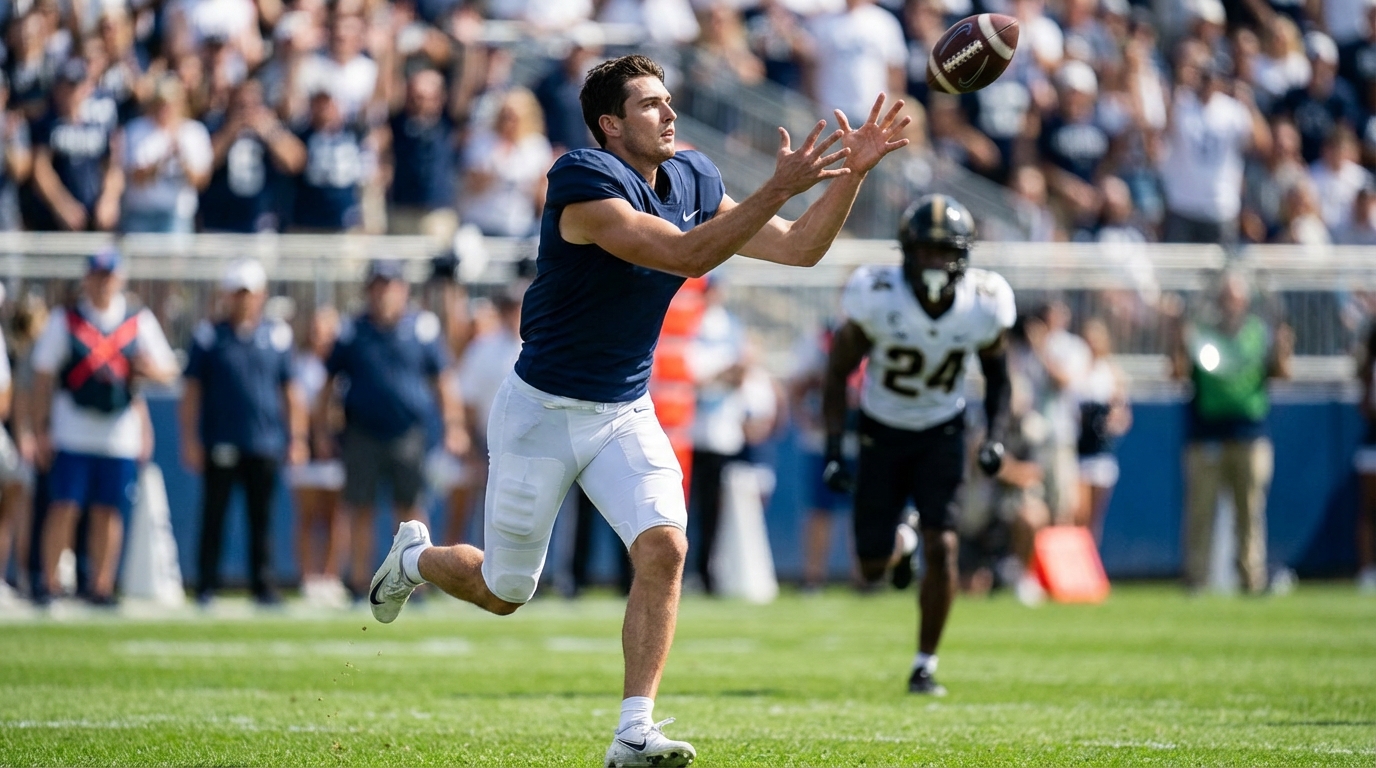
Alec Pierce checks many boxes for a Patriots offense that needs downfield juice and contested catch ability. At 25 years old, Pierce brings a unique blend of size, length, and speed. Film study shows he wins vertically and creates big-play chances. With a career 18.7 yards per reception, Pierce projects as a true stretch target in the wide receiver market.
Key attributes and film insights
- Deep threat production: Pierce averages 18.7 yards per reception, which shows consistent chunk play ability. Therefore he forces defenses to respect the vertical game.
- Separation and route shape: Film reveals sudden stems and clean releases on go and post routes. As a result he often gains a step versus single coverage.
- Contested catches and catch radius: Pierce wins 50/50 looks because of length. However his contested catch rate can still improve with coached technique.
- YAC and contested after contact: He shows modest run-after-catch in game tape, but he breaks a handful of tackles on intermediate targets.
- Blocking and nuance: Film shows limited as a blocker. Therefore he would not replace strong blockers like a fullback or some tight ends.
How he fits the Patriots roster needs
- Slot and depth mix: The Patriots already have Mack Hollins, Kayshon Boutte, Demario Douglas, and Kyle Williams under contract. Adding Pierce upgrades the top-end downfield threat while preserving depth.
- Complement to tight end targets: Pairing a vertical receiver with a seam threat helps. As Aaliyan Mohammed wrote, “Pairing Maye with an athletic tight end like Goedert could open up plenty of opportunities for the Patriots’ offense.” This suggests Dallas Goedert or similar tight end pieces unlock Pierce’s upside.
- Roster strategy and cap balance: Pierce’s consensus No. 1 status in the wide receiver market could push New England toward a trade or draft pivot. The team also controls 20 draft picks over two years, which affects the calculus.
Further reading on how Pierce impacts roster decisions is available here: how Pierce impacts roster decisions and the Patriots free agency context here: Patriots free agency context. For a broader tracker of moves and mock trades see broad tracker of moves.
Related keywords: Patriots free agency, wide receiver market, Dallas Goedert, tight end as an alternative target.
| Player | Age (2026) | Position | Career yards / Touchdowns (where relevant) | Contract status | How they fit Patriots position priorities |
|---|---|---|---|---|---|
| Mack Hollins | N/A | WR | N/A | Under contract | Veteran outside depth and special teams. Fills veteran role while the team evaluates younger options. |
| Kayshon Boutte | N/A | WR | N/A | Under contract | Developmental upside. Offers speed and competition for rotational snaps. |
| Demario Douglas | N/A | WR | N/A | Under contract | Quick slot target and returner. Provides short-area separation and gadget usage. |
| Kyle Williams | N/A | WR | N/A | Under contract | Roster depth and situational perimeter snaps. Low-cost depth piece. |
| Alec Pierce | 25 | WR | 18.7 yards per reception (career) | Consensus top WR on market / trade candidate | Clear deep threat and contested catch option. Upgrades vertical dimension in the wide receiver market. May need work as a blocker. |
| Dallas Goedert | N/A | TE | 4,676 yards, 35 TDs (108 career games) | Veteran target / free agent or trade candidate | Elite seam threat who creates spacing for both tight end and wide receiver concepts. Complements a vertical receiver. |
| Isaiah Likely | N/A | TE | N/A | Projected big free agent prize | Big-bodied tight end with blocking and interior seam upside. Provides matchup advantages over linebackers. |
| Kyle Pitts | N/A | TE | N/A | Projected big free agent prize | High-upside mismatch weapon. Could serve as a top-tier No. 1 or co-No. 1 receiving threat. |
Analysis
The table shows a clear decision fork for the Patriots. On one side the team has signed depth pieces like Mack Hollins, Kayshon Boutte, Demario Douglas, and Kyle Williams. These players cover slot, special teams, and perimeter snaps. However they lack a consistent chunk play vertical threat. As a result adding Alec Pierce would immediately address that need because he averages 18.7 yards per reception and wins downfield. Alternatively the Patriots could invest in tight end help. Dallas Goedert, Isaiah Likely, or Kyle Pitts would open the middle and create seam windows. Therefore the choice comes down to scheme fit and cap strategy. If New England prioritizes Patriots free agency value and balance, they may avoid overpaying in the wide receiver market. In contrast, pairing a vertical receiver with a top tight end would give Drake Maye or a new signal caller easier big-play reads. Overall the roster has depth, but adding a high-end vertical threat or a dominant tight end should rank near the top of the position priorities list.
Tight End Alternatives and Their Role: Comparing to Alec Pierce fit for the New England Patriots
When the Patriots weigh Alec Pierce fit for the New England Patriots against tight end targets, they face a clear strategic choice. Wide receivers like Pierce stretch the field vertically. Tight ends offer interior size and blocking. Therefore the decision changes personnel groupings and play design.
Core tight end options and fit
- Dallas Goedert — veteran pass catcher and seam mover. He has 4,676 yards and 35 touchdowns in 108 career regular-season games. He creates spacing over the middle and wins contested catches. As a result Goedert opens deep and intermediate windows for other receivers.
- Chig Okonkwo and David Njoku — more physical options with ties to Mike Vrabel. They provide blocking and athleticism. Consequently they fit schemes that value run support.
- Cade Otton and Charlie Kolar — functional blockers who can also work as No. 2 pass-catching options. They fit well next to a blocking tight end like Hunter Henry.
- Isaiah Likely and Kyle Pitts — upside playmakers with rare mismatch skills. However they command premium investment in Patriots free agency.
How they compare to a wide receiver like Alec Pierce
- Blocking: Tight ends beat Pierce as blockers most of the time. Therefore they can help in run concepts.
- Pass catching: Pierce brings elite yards per catch and downfield juice. Meanwhile top tight ends create consistent seam threats and red zone value.
- Overall roster fit: Adding Pierce upgrades the wide receiver market and vertical play. Conversely signing a top tight end changes coverage mismatches and aids short-to-intermediate offense.
In short, New England must balance Patriots free agency value, roster depth, and scheme goals. If they want chunk plays, Pierce is the faster path. If they want matchup control and blocking, tight ends hold more long-term roster value.
Pierce vs. Tight Ends: Shaping the Patriots' Offense
Alec Pierce fit for the New England Patriots remains an enticing possibility. He offers 18.7 yards per reception and true downfield juice. Therefore signing Pierce would add a vertical threat the roster lacks. However the Patriots also have internal options like Mack Hollins, Kayshon Boutte, Demario Douglas, and Kyle Williams. Tight end alternatives such as Dallas Goedert, Isaiah Likely, and Kyle Pitts offer blocking and seam mismatch. Therefore the team faces a clear choice.
Adding a top wide receiver accelerates chunk plays. Conversely investing in a top tight end improves short and intermediate spacing and run support. The Patriots control 20 draft picks over two years, so they can pursue multiple paths without rushing. Ultimately the decision will hinge on cap strategy and scheme fit.
For more analysis follow Patriots Report LLC at Patriots Report LLC and on Twitter at @ZachGatsby. Follow them for ongoing Patriots coverage and roster updates.
Frequently Asked Questions (FAQs)
What would Alec Pierce add to the Patriots offense?
Alec Pierce brings a true downfield threat and contested catch ability. He is 25 and averages 18.7 yards per reception, so he creates chunk plays. However he provides limited blocking, so coaches would pair him with bigger personnel on run plays.
Is Alec Pierce more likely to arrive via free agency or trade?
Pierce is described as the consensus No. 1 wide receiver on the market, so both routes are possible. Therefore New England must weigh cap space, draft capital, and trade cost before moving.
How does Pierce compare to the receivers already under contract?
The Patriots have Mack Hollins, Kayshon Boutte, Demario Douglas, and Kyle Williams under contract. Pierce offers more vertical juice and contested catches, while those players cover slot, special teams, and depth roles.
Could the Patriots instead prioritize a tight end like Dallas Goedert?
Yes. Dallas Goedert is a seasoned seam threat with 4,676 yards and 35 touchdowns in 108 games. As a result he improves intermediate spacing and blocking more than a single deep receiver would.
How do draft picks factor into the decision between Pierce and other targets?
The Patriots control 20 draft picks over two years, so they can pursue a mix of drafts and free agency. Consequently they might draft a developmental piece and target a proven veteran, depending on risk tolerance.