Patriots trades before free agency have shifted the outlook for New England under Mike Vrabel. Those moves matter because they reveal a new roster philosophy and cap approach. Specifically, we will examine three impactful trades and one failed deal that still matters. Along the way we will assess dead cap, trade value, and the practical odds of each move.
Readers should expect granular cap modeling, roster spot forecasts, and situational trade scenarios, because Vrabel’s deals to date mixed players with late picks and left measurable dead cap. However, this analysis goes beyond headline swaps to estimate savings, dead money, position scarcity, and the domino effects on the offensive line and edge rush depth.
Therefore, we project plausible permutations that could lead to cutting or trading veterans like linebacker or defensive end depth pieces, signing one or two veteran pass rushers, reallocating draft capital toward playmakers to protect Drake Maye during a 2026 offseason that will test New England’s creativity and fiscal flexibility, and the willingness to back Vrabel’s vision with real payroll moves.
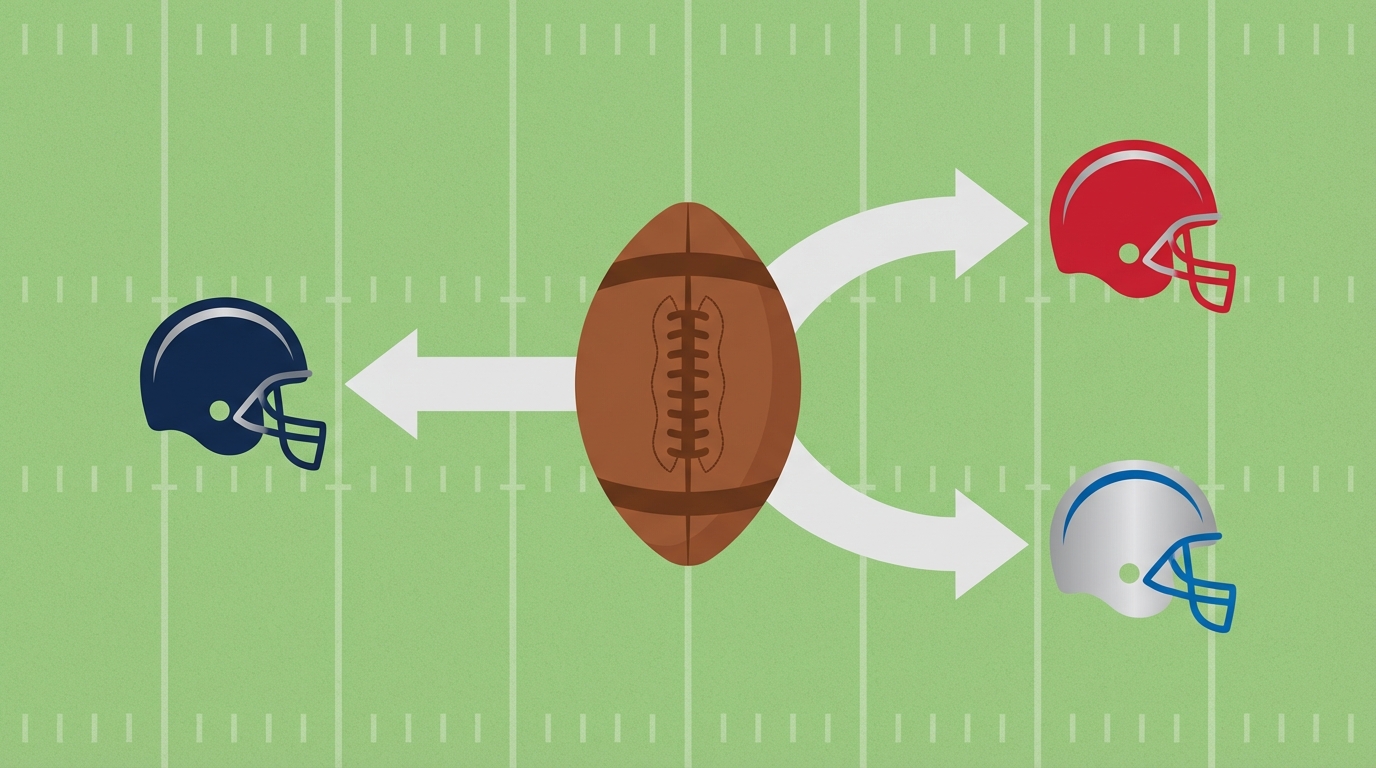
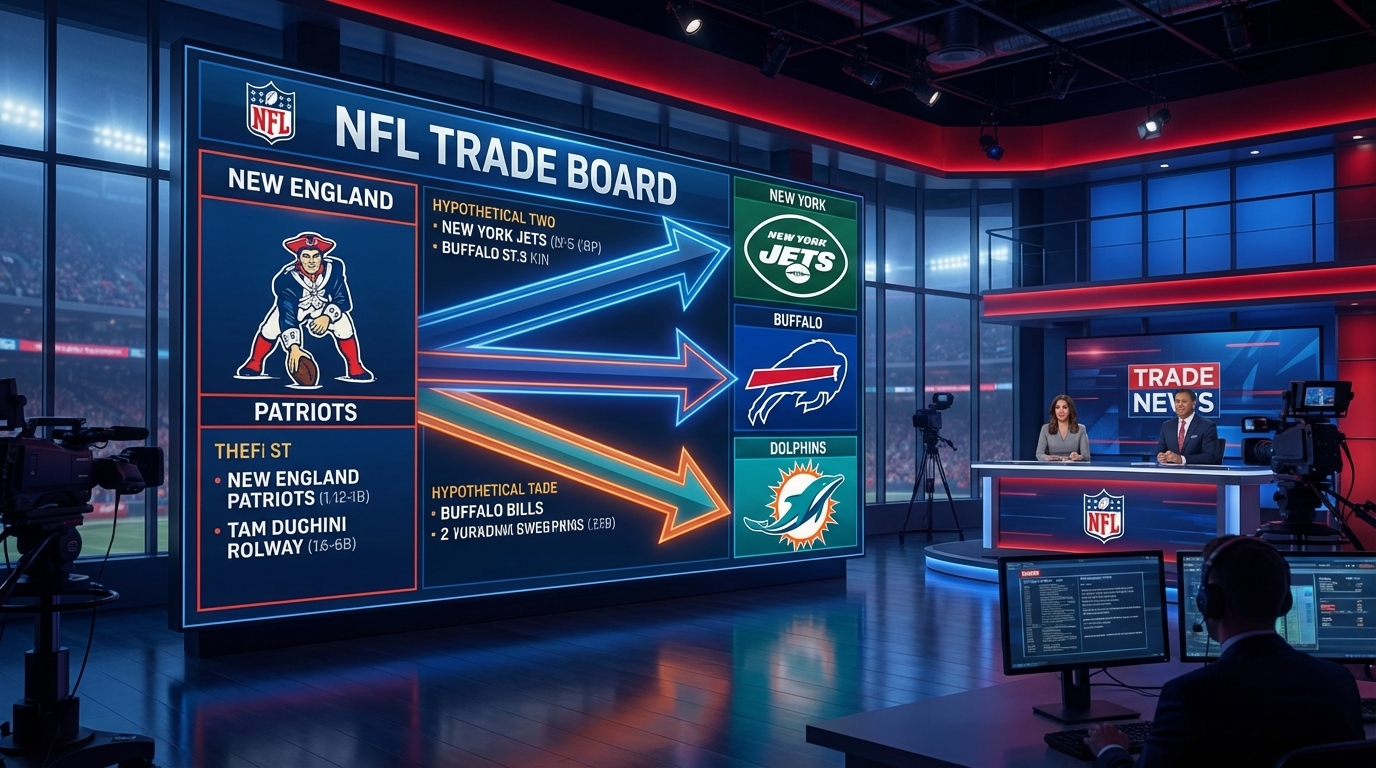
Patriots trades before free agency: three moves that reshape New England
Mike Vrabel’s early trading activity signals a new blueprint in New England. The coach and front office appear willing to move veteran pieces for draft capital. As a result, the Patriots gain flexibility and direction heading into the 2026 offseason. Below we break down the three headline trades, explain the strategic intent, and quantify roster and cap implications.
1) Davon Godchaux to the New Orleans Saints
Davon Godchaux was a veteran interior defensive lineman. Vrabel traded him to add draft currency and free cap room. That move reduced short-term salary obligations. In turn, it created space to pursue younger, cheaper pieces.
Key points
- Trade summary: Godchaux moved to New Orleans for a late pick or conditional compensation.
- Strategic intent: Clear cap relief and rotation shakeup at defensive tackle.
- Roster benefit: Opens playing time for younger linemen and scheme fits.
Why it matters
Because Godchaux represented veteran salary, the trade hinted at a larger rebuild. Vrabel values players who fit his pressure-first scheme. Therefore moving a veteran piece allowed the Patriots to chase edge help and bolster depth.
2) Ja’Lynn Polk to the New Orleans Saints
Ja’Lynn Polk’s departure showed another willingness to trade young assets. The Patriots used Polk to extract draft value. This suggests a priority on targeted offensive weapons and draft flexibility.
Key points
- Trade summary: Polk traded to New Orleans for a Day 3 pick or similar return.
- Strategic intent: Reallocate receiver depth and pursue more scheme fit options.
- Roster benefit: Clears a roster spot and creates salary room for priority moves.
Why it matters
Polk’s move signals that Vrabel and the roster architects will not hesitate. They will trade youth for positional need. Consequently, New England may chase quicker-impact playmakers for Drake Maye.
3) Kyle Dugger to the Pittsburgh Steelers
Kyle Dugger’s trade removed a versatile safety from the roster. The move prioritized draft capital and cap predictability. It also showed that the Patriots will swap versatile, higher-paid defenders.
Key points
- Trade summary: Dugger sent to Pittsburgh for mid-to-late round compensation.
- Strategic intent: Convert salary into picks and scheme-aligned pieces.
- Roster benefit: Forces a retool at safety while funding other needs.
Why it matters
Dugger’s trade underscores Vrabel’s balanced approach. He sacrifices proven versatility to gain flexibility. As a result, the team can push cap dollars toward offensive line rebuilding and edge rush additions.
Broader strategic read
All three Patriots trades before free agency share common traits. Vrabel often gets Day 3 picks in return, which shows a cautious valuation. However, he also clears payroll to pursue bigger offseason priorities. For example, releasing or trading edge depth like Anfernee Jennings could free more cap. As one report noted, “Anfernee Jennings was an early trade candidate at the start of the Mike Vrabel era. After staying put, he notched a 67.1 PFF grade in 2025, coming up with 20 pressures from Week 12 until the Super Bowl. Jennings was an important pass-rusher at times, but the team could still move on from him this offseason. Releasing him will save just $3.8 million, but it might be necessary if the team hands K’Lavon Chaisson a big extension.”
Therefore, the combined effect of these trades is practical flexibility. The Patriots now have clearer cap lanes to rebuild the offensive line. They can also add two or three sack-producing edges. In short, Vrabel is reshaping personnel through conversion of salary into draft capital. That approach could pay off if the front office uses those picks well and targets immediate-impact veterans during the 2026 offseason.
| Player traded | From → To | Draft pick(s) exchanged | Cap savings or dead cap impact | Strategic benefit |
|---|---|---|---|---|
| Davon Godchaux | Patriots → New Orleans Saints | Late round or conditional pick | Small short-term cap relief; reduced veteran salary | Opens DT snaps for younger players; frees minor cap for other needs |
| Ja’Lynn Polk | Patriots → New Orleans Saints | Day 3 pick | Clears roster spot; modest cap flexibility | Converts receiver depth into draft capital for playmakers for Drake Maye |
| Kyle Dugger | Patriots → Pittsburgh Steelers | Mid to late round pick | Improves cap predictability; moves higher salary | Trades versatility for draft capital to fund offensive line and edge upgrades |
Caption note: All three Patriots trades before free agency favored Day 3 picks and salary flexibility.
Failed deal and why it still matters for Patriots trades before free agency
A high-profile trade that fell apart matters more than you think. Although the deal did not close, it revealed how other teams value Patriots assets. Therefore the failed negotiation shaped New England’s offseason budget and direction.
Short facts and cap math
- Jahlani Tavai scenarios show tight margins: cutting him saves just over $1.7 million, but leaves about $3.5 million in dead cap. However trading Tavai would save roughly $2.3 million while adding about $2.9 million dead cap.
- Anfernee Jennings remains consequential. Releasing Jennings would save approximately $3.8 million, which matters if the team needs funds for a K’Lavon Chaisson extension or new free agents.
- The Giants plan to release Bobby Okereke, and Micah McFadden is a free agent, which affects linebacker market depth and alternatives for New England.
Why the failed trade still matters
First, the collapsed deal set a market baseline. Teams now have a reference for how much draft capital New England requires. Second, it revealed what the Patriots value in return. As a result the front office can recalibrate offers quickly during free agency. Third, the failure conserved cap space temporarily, providing flexibility for late moves.
Practical roster implications
Short term, the ripple forces decisions about cuts versus trades. For example, the team may prefer cutting certain veterans to clear immediate cap room. However they must weigh dead cap consequences against roster depth. In the long term, the failed deal pressures the Patriots to use Day 3 picks wisely. Ultimately it keeps the team nimble entering the 2026 offseason.
CONCLUSION
The Patriots trades before free agency showed a clear strategic pivot for New England under Mike Vrabel. By converting veteran salary into Day 3 draft capital, the front office gained flexibility and reduced near-term payroll. As a result, they created lanes to rebuild the offensive line and add two or three sack-producing edges. However, those moves also signal a willingness to accept short-term depth losses for long-term upside.
Strategically, the three trades and the failed deal reveal a pattern. Vrabel prioritizes scheme fit and cap predictability, therefore he values controllable assets over costly veterans. Moving players like Davon Godchaux, Ja’Lynn Polk, and Kyle Dugger freed room to chase immediate-impact help. Moreover, the collapsed negotiation set market expectations and preserved optionality heading into free agency.
Patriots Report LLC tracked these developments closely. For further coverage visit patriotsreport.com and follow them on Twitter/X at @ZachGatsby. Their reporting provides context and timely analysis for roster and cap decisions.
Looking forward, New England must balance draft capital with veteran signings. Ultimately, success will depend on smart target selection and disciplined cap management.
Frequently Asked Questions (FAQs)
What are the three Patriots trades before free agency covered in this article?
The article spotlights three headline moves. Davon Godchaux went to the New Orleans Saints. Ja’Lynn Polk also moved to New Orleans. Kyle Dugger was traded to the Pittsburgh Steelers. Each trade returned mostly Day 3 picks. As a result the Patriots converted salary into draft capital.
How do these trades affect New England’s salary cap and dead money?
The trades created modest cap flexibility. Day 3 picks do not offset large salaries, however they free short-term payroll. For example, cutting Jahlani Tavai would save just over $1.7 million but leave about $3.5 million in dead cap. Releasing Anfernee Jennings would save roughly $3.8 million. Therefore the team gains small lanes to pursue targeted free agents or extensions.
Why does the failed trade still matter for the offseason plan?
A collapsed deal sets market expectations and preserves optionality. Other teams learned New England’s asking price. Consequently the Patriots can recalibrate offers quickly in free agency. The failed trade also kept cap space available. In short, the collapse shaped both valuation and timing.
Are more Patriots trades likely before free agency opens?
It is possible but unlikely that all proposed moves occur. Vrabel’s deals historically include Day 3 picks, so heavy asset returns are rare. The front office might still trade or cut veterans to fund priorities. However each move will depend on market fit and cap math.
What roster areas will these moves impact most, and how does that affect Drake Maye?
The trades prioritize offensive line rebuilds and edge rush additions. Vrabel appears willing to sacrifice veteran depth for cap predictability. Therefore New England can target two or three sack-producing edges and offensive weapons for Drake Maye. In addition, the team must balance immediate depth with longer-term upside through the draft.