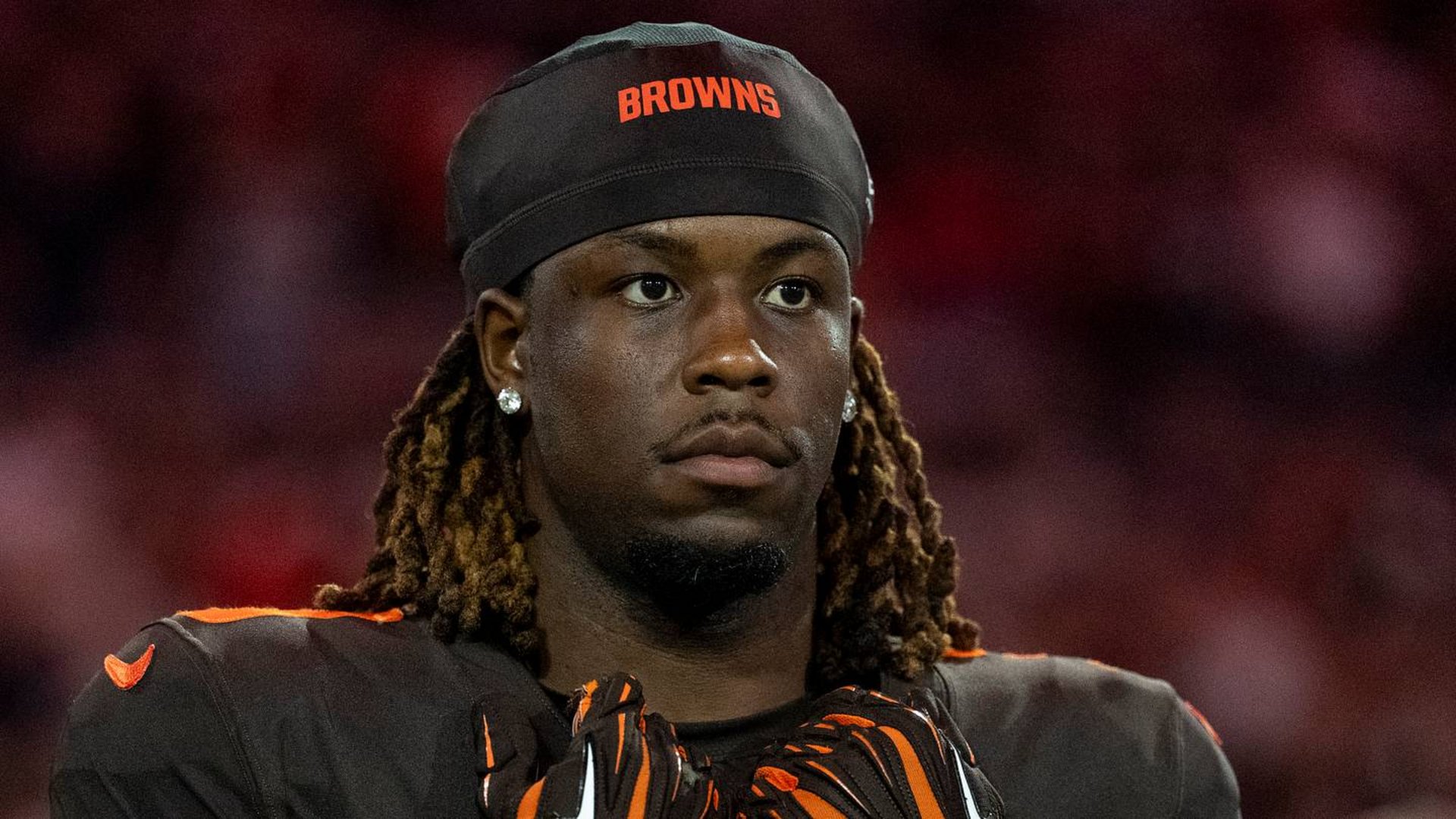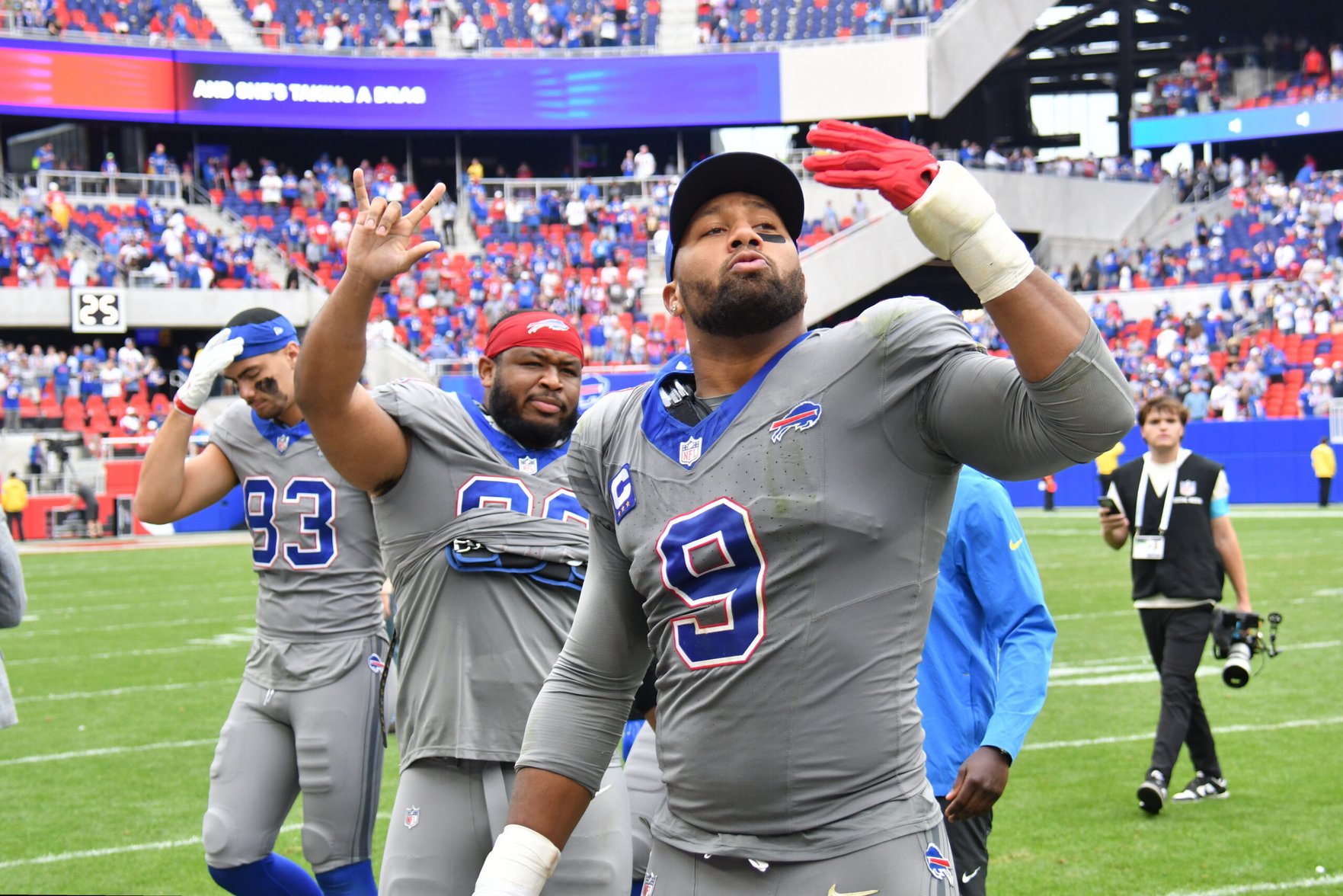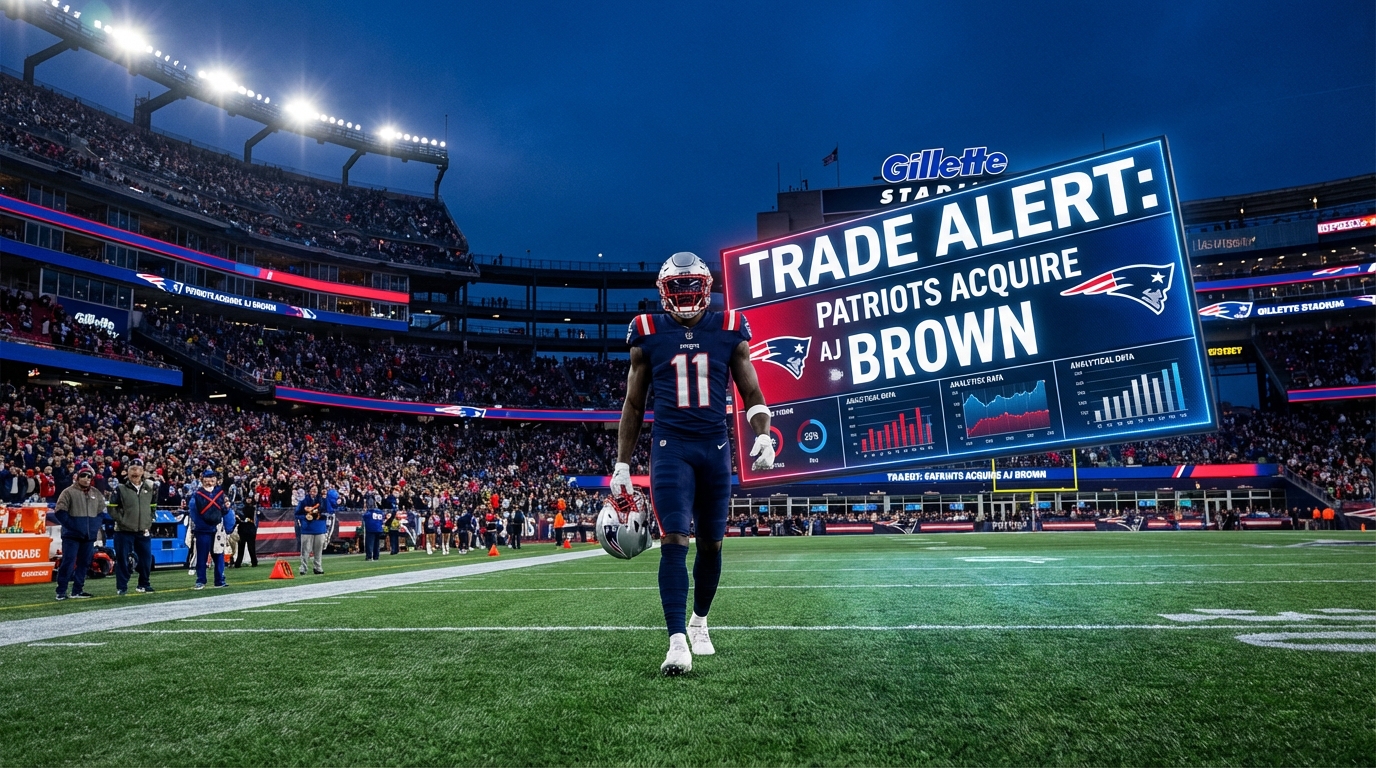
A Patriots trade for AJ Brown would instantly reshape New England’s offense and ignite fevered debate across fan circles. Brown’s elite yards after catch and consistent production add a new vertical threat. However, the price in picks and cap implications demands careful calculus from the front office. Because he has four straight 1,000 yard seasons and a 3-year, $96 million extension through 2029, he changes matchup planning for opponents and creates clearer downfield looks for the Patriots’ quarterbacks.
More importantly, therefore, this move would force opponents to allocate safety help differently, open seams for running backs, prompt schematic shifts from opposing coordinators, and send a message that New England will spend assets to win now, which could affect draft strategy, free agent pursuits, and the broader arc of the roster over the next three seasons and alter contract timelines for emerging starters and coaching hires across the franchise immediately.
Trade Proposal Details and Analysis
ESPN analyst Seth Walder floated a bold hypothetical trade that would send shockwaves through New England. Under Walder’s proposal, the Patriots would trade a 2026 first round pick, a 2026 third round pick, and a 2026 sixth round pick to the Philadelphia Eagles. In return, the Eagles would send A J Brown and a 2026 second round pick. Because Brown signed a 3 year, $96 million extension that begins next season and runs through 2029, the contract side matters as much as the draft cost.
Key specifics
- Trade offer by ESPN analyst Seth Walder: Patriots give up a 2026 first round pick, a 2026 third round pick, and a 2026 sixth round pick
- Eagles would send A J Brown plus a 2026 second round pick to New England
- Brown’s extension: 3 year, $96 million, contract runs through 2029 (source: Spotrac)
- After the swap, Patriots would still hold two second round picks, two fourth round picks, one fifth round pick, and three sixth round picks
Pick exchange comparison
| Patriots Give Up | Eagles Give To Patriots | Net draft assets for Patriots after trade |
|---|---|---|
| 2026 first round pick | A J Brown | Two 2026 second round picks (after the swap) |
| 2026 third round pick | 2026 second round pick | Two 2026 fourth round picks remain |
| 2026 sixth round pick | — | One fifth and three sixth round picks remain |
Analysis
This hypothetical trade trades draft capital for an immediate star. However, because the Patriots would lose a first and a third, they sacrifice long term roster depth. Moreover, Brown’s age and proven production reduce risk. For contract details see Spotrac and for career stats see Pro Football Reference. For further Patriots context, read related coverage on PatriotsReport.
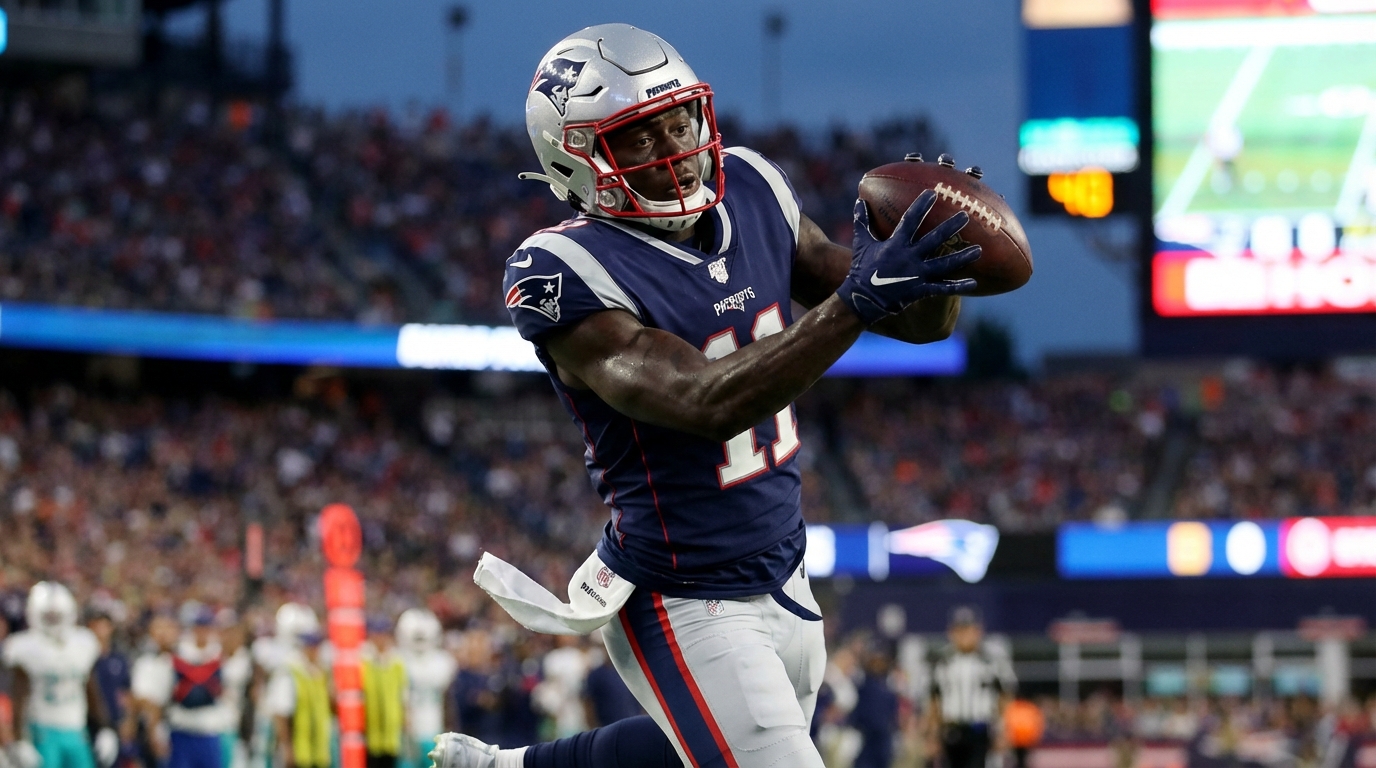
Patriots trade for AJ Brown: recent production snapshot
AJ Brown offers a high floor and a proven ceiling. He has four consecutive 1,000 yard seasons and remains a primary downfield threat. Because he posted at least 1,450 yards in each of his first two seasons with the Eagles, his upside is clear. Moreover, he recorded 1,003 yards last season while scoring seven touchdowns for a third straight year. Even though Brown’s production was down last season, the underlying metrics suggest he was still elite. Therefore, his raw output pairs with strong efficiency numbers, which matters for play design and target share.
Patriots trade for AJ Brown: metrics, value, and schematic fit
Brown finished sixth in ESPN’s overall receiver score and ranked inside the top 10 in open score. As a result, he excels in space and after the catch. At 28 years old, he still sits in the prime window for top receivers. He also signed a 3 year, $96 million extension that runs through 2029, so contract certainty reduces acquisition risk (see Spotrac). For full career numbers, consult Pro Football Reference.
Fit with Mike Vrabel and New England
- Brown previously worked under coach Mike Vrabel in Tennessee, which could ease his transition
- He would pair with Stefon Diggs to create a feared outside tandem and force single coverage less often
- Because the Patriots lacked depth beyond Diggs, Brown would provide an immediate upgrade to the receiver room
Context and further reading
For roster and draft context, PatriotsReport has related analysis on mock drafts and offseason targets. See PatriotsReport mock draft analysis. Also review receiver target coverage: Patriots receiver target coverage and the offseason upgrade piece: offseason upgrade piece.
Patriots trade for AJ Brown Impact and Risks
Acquiring A J Brown would change the Patriots offense immediately. Because he stretches the field, defenders would adjust their coverage plans. However, the price in draft capital and his contract through 2029 create real tradeoffs. As Khari A. Thompson noted, “The Patriots made it to the Super Bowl with a lacking receiver group that had only one player post over 600 yards (Stefon Diggs), but it won’t be as easy in 2026, as their regular-season schedule will be harder and it’s unlikely the sea of AFC teams with elite quarterbacks will part again for New England.” Therefore, any move must balance short term gain with long term depth.
Pros
- Immediate elite talent for the receiving corps, which boosts contested catch and yards after contact
- Schematic fit with Mike Vrabel, given their shared history in Tennessee, which may reduce ramp up time
- Contract clarity with a three year, $96 million extension that begins next season, so cap planning becomes manageable
- Forces opponents to change coverage, opening lanes for running backs and play action
Cons
- Loss of a 2026 first-round pick and a 2026 third-round pick, which hurts future roster building and depth
- Reduced draft capital limits flexibility in free agency and trade counteroffers for 2026 first-round talent
- Age and injury risk exists at 28, and a large contract still ties up cap dollars through 2029
Risk versus reward summary
In short, the Patriots trade for AJ Brown is a win now move. Yet, because the hypothetical trade costs premium picks, New England would sacrifice long term assets. Therefore, the front office must ask whether Super Bowl window timing justifies spending a 2026 first-round pick. If the answer is yes, the payoff could be immediate. Otherwise, the team risks depth and future roster flexibility.
In short, the hypothetical Patriots trade for AJ Brown presents a clear tradeoff between immediate upgrade and long term flexibility. The proposed deal would give New England an elite boundary threat who has posted four straight 1,000 yard seasons and consistently high receiver scores. Because Brown signed a 3 year, $96 million extension through 2029, acquiring him reduces contract uncertainty and buys proven production. However, the Patriots would surrender significant draft capital, including a 2026 first round pick and a 2026 third round pick, which would limit future depth building and roster flexibility.
Therefore, the move is a classic win now push. If New England believes its Super Bowl window is open, the payoff could be immediate. Yet, as analysts noted, it will not be easy in 2026 because the schedule strengthens and AFC competition remains fierce. Teams must weigh the short term competitive edge against lost drafting power and long term cap constraints.
This analysis comes from Patriots Report LLC. For more coverage and timely updates, visit Patriots Report and follow us on Twitter X at @ZachGatsby. Stay tuned to PatriotsReport for further reporting and expert takes on trades, draft strategy, and roster moves.
Frequently Asked Questions (FAQs)
What is the trade proposal?
Seth Walder’s hypothetical deal would send New England A J Brown and a 2026 second round pick. In exchange, the Patriots would give up a 2026 first round pick, a 2026 third round pick, and a 2026 sixth round pick.
How would AJ Brown impact the Patriots offense?
Brown adds a true vertical threat and elite yards after catch. He would pair with Stefon Diggs and force more single coverage. As a result, the passing game would gain clear field-stretching value.
What about Brown’s contract and age?
Brown signed a three year, ninety six million dollar extension that runs through 2029. At twenty eight years old he remains in his prime, but the contract ties up cap space.
What does the trade cost in draft capital and depth?
The Patriots would lose a first and a third round pick. Therefore the team sacrifices rookie cost control and long term depth. However, the roster gains immediate top tier receiving talent.
Should New England make the move?
It depends on the front office timeline and the Super Bowl window. If the team prioritizes a win now approach, the trade makes sense. Otherwise they should protect draft capital and address receivers in other ways.