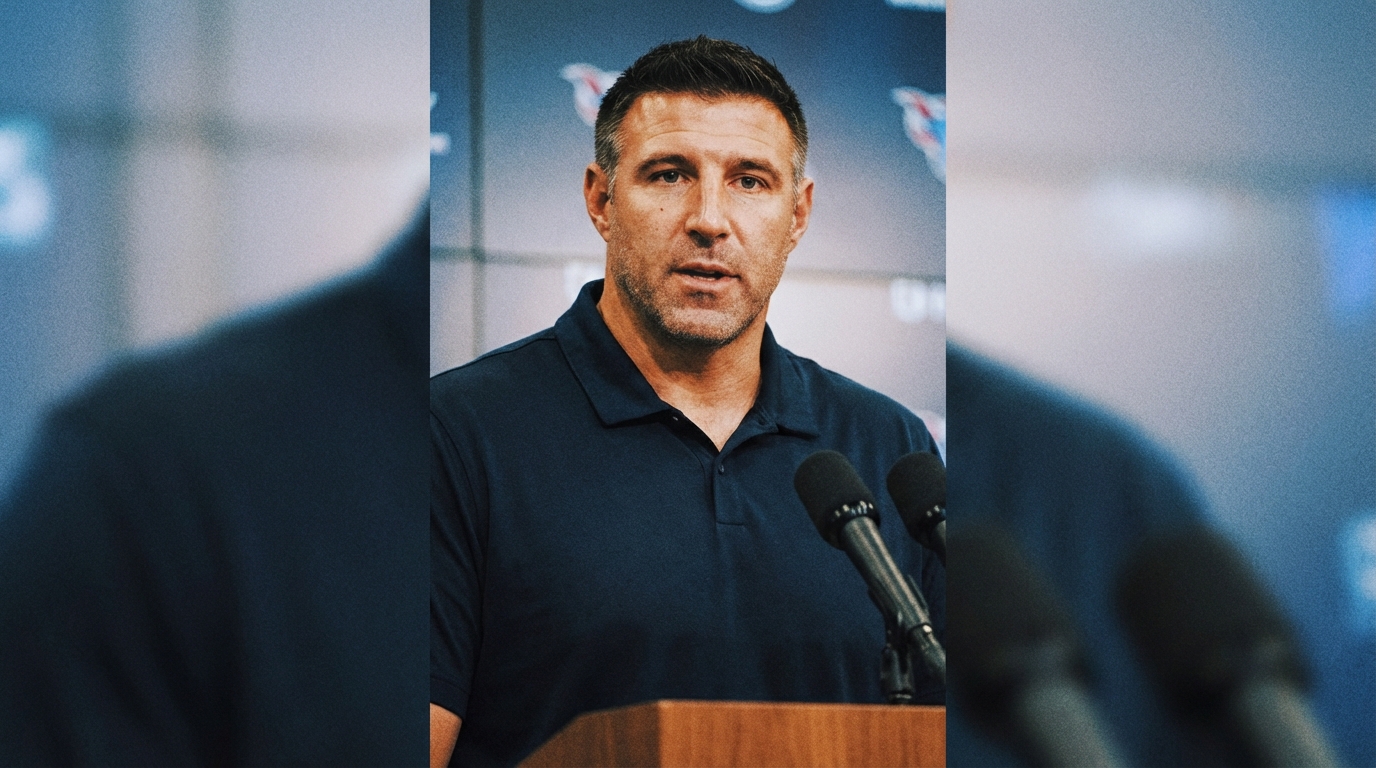
Mike Vrabel press conference transcript (Feb 4, 2026): Free agency focus and roster outlook
Mike Vrabel press conference transcript (Feb 4, 2026) opens with a measured tone on free agency. He framed the discussion around deliberate roster building and special teams depth, because those areas shaped the playoff run. Vrabel described an intentional approach to acquisitions and emphasized development of rookies and veterans alike. This overview presents a neutral, transcript-style summary of his remarks ahead of the Super Bowl.
He highlighted recent free agent signings and how they fit the team culture. For example, he noted contributions from rookies on special teams and veterans like Bryce Baringer. However, he also warned roster decisions remain fluid in the next 48 hours. The coach stressed that strategic choices will affect depth charts and game preparation.
Readers should expect direct quotes and tactical details in the full transcript below. Therefore, this introduction sets context for position battles, salary cap tradeoffs, and Super Bowl readiness. As a result, the summary stays factual and concise, mirroring a press conference transcript tone.
Free agency approach and strategy — Mike Vrabel press conference transcript (Feb 4, 2026)
Mike Vrabel reiterated a deliberate free agency philosophy in the press conference. He said, “I think you just have to be very intentional with the people that you’re bringing in.” Therefore, he framed moves as culture and role fits, not short-term fixes. He credited the front office leadership, naming Eliot Wolf and Ryan Cowden, for helping shape the roster plan. As a result, Vrabel described free agency as an extension of the team identity.
The coach stressed roster balance and special teams depth. He noted the importance of adding players who buy into technique and effort. For that reason, Vrabel pointed to the work on special teams and development of rookies. He highlighted how those acquisitions supported the playoff run and set standards for the locker room.
Key themes from the remarks
- Intentional signings: Vrabel emphasized fit and character over flashy names. This approach limited churn and preserved chemistry.
- Front office collaboration: Eliot Wolf and Ryan Cowden played visible roles in evaluations and contract decisions. Their input shaped short lists and priorities.
- Development focus: The team prioritized players who could grow into roles, especially on special teams. Andy Borregales and Julian Ashby represented that pipeline.
- Positional balance: The staff weighed depth across lines, receivers, and special teams, because depth matters late in the season.
- Short term flexibility: Vrabel said decisions remain fluid in the next 48 hours, so final roster moves could change.
Impact on the roster
Vrabel tied free agency choices to clear roster outcomes. First, intentional acquisitions improved competition at several spots. Second, the mix of veterans and rookies preserved depth for the Super Bowl. Finally, he noted that front office voices such as Stretch John Streicher informed personnel strategy. Overall, the coach presented free agency as strategic, patient, and aligned with long term team-building goals.
Rookies contributing on special teams
The Patriots leaned on youth in the kicking game and coverage units. Below is a concise comparison of the three rookies referenced in the press conference, their roles, and notable impacts.
| Rookie Name | Role | Notable Impact |
|---|---|---|
| Andy Borregales | Kicker | Integrated into kicking operations and kickoff units. As a result, handled pressure situations and added reliability on kicks. |
| Julian Ashby | Coverage specialist | Regular contributor on coverage and return units. Consequently, showed technique, effort, and improved field position consistency. |
| Third rookie (referenced in press conference) | Coverage and return | Provided depth on coverage units. Overall, brought energy and special teams snaps that mattered late in games. |
Overall, these young players reinforced special teams depth and fit the intentional roster plan.
Roster implications and team dynamics — Mike Vrabel press conference transcript (Feb 4, 2026)
Mike Vrabel framed roster decisions as more than technique or athleticism. He tied those choices to culture and leadership, because he believes identity drives performance. The coach referenced support systems after Rhamondre Stevenson’s personal loss, and he said the team rallied around him. As a result, the organization showed a focus on wellbeing and family support.
Vrabel also discussed positional priorities. He emphasized run defense and the need to win the line of scrimmage. He added that play action remains a key part of the offense, because it depends on run-game credibility. The coach noted that overtime rules change late-game strategy, and therefore depth across positions matters more than ever.
Key players and what they mean for the roster
- Rhamondre Stevenson: Vrabel spoke about the team’s support after Stevenson’s bereavement. He said, “I want the players to experience this with their families.” Consequently, Stevenson remains a central piece of the run game and a leader in the locker room.
- Will Campbell: Vrabel praised Campbell as a teammate and a developing player. He said, “I think Will Campbell is a great teammate.” Therefore, Campbell’s growth impacts interior depth and run defense rotation.
- Zak Kuhr: Vrabel described Zak as consistent and reliable. He noted, “Zak has been fantastic,” which reflects coaching trust and special teams value.
Team dynamics and leadership
The coach pointed to organizational standards set by Robert Kraft and Jonathan Kraft. He said, “The organization has set a standard,” and he credited that culture for the team’s discipline. Moreover, Vrabel emphasized that leadership comes from both coaches and executives, because alignment creates stability.
Implications for the final roster
- Depth matters more than star power, because late-game situations require multiple contributors.
- Special teams and veterans like Bryce Baringer anchor situational play, and rookies provide energy and flexibility.
- The front office and coaching staff will make intentional moves in the coming 48 hours, which could alter depth charts.
Overall, Vrabel presented a roster plan built on character, technique, and family support. The remarks combined tactical notes about run defense and play action with an emphasis on player wellbeing and organizational leadership.
CONCLUSION
Mike Vrabel press conference transcript (Feb 4, 2026) underscored a strategic and measured roster plan. He repeatedly stressed intentional free agency decisions. Therefore, the team prioritized fit, character, and special teams depth over headline signings.
Vrabel highlighted collaboration with the front office and scouts. For example, he credited voices like Eliot Wolf and Ryan Cowden for shaping evaluations. Moreover, he pointed to rookies such as Andy Borregales and Julian Ashby as evidence of successful development and depth building.
The coach also tied roster moves to culture and player wellbeing. He referenced support for Rhamondre Stevenson during a personal loss. As a result, the organization emphasized family and stability while preparing for the Super Bowl.
In short, Vrabel presented a balanced plan that blends veterans and young contributors. He kept depth and situational readiness at the forefront, especially for run defense and special teams. Finally, this transcript-style overview shows the Patriots value long term team building and disciplined roster management.
Source Patriots Report LLC
Twitter/X @ZachGatsby
Frequently Asked Questions (FAQs)
Q1: What is the main takeaway from the Mike Vrabel press conference transcript (Feb 4, 2026)?
The main takeaway is a deliberate roster plan focused on fit and depth. Vrabel emphasized intentional free agency decisions, not quick fixes. He stressed special teams and development of rookies. As a result, the team prioritized long term chemistry over splash signings.
Q2: How did Vrabel describe the team’s free agency approach and who helped with evaluations?
Vrabel said, “I think you just have to be very intentional with the people that you’re bringing in.” He credited the front office for collaboration. In particular, he named Eliot Wolf and Ryan Cowden. Consequently, the staff combined scouting and character evaluation to shape signings.
Q3: Which rookies contributed on special teams and why does that matter?
Andy Borregales and Julian Ashby were singled out for stepping up on special teams. A third rookie also provided key snaps on coverage units. Because special teams decide field position, rookies helped preserve late-game options. Therefore, youth depth improved roster flexibility heading into the Super Bowl.
Q4: What roster implications did Vrabel highlight for key players and leaders?
Vrabel tied roster moves to culture and leadership. He praised Rhamondre Stevenson and noted team support after his bereavement. He also complimented Will Campbell and Zak Kuhr for growth and consistency. Moreover, he credited organizational standards set by Robert Kraft and Jonathan Kraft for creating stability.
Q5: How do tactical topics like run defense, play action, and overtime rules factor into roster planning?
Vrabel said run defense and play action remain priorities because they shape game plans. He added that updated overtime rules affect late-game strategy and depth needs. Therefore, depth across lines and special teams is essential. As a result, the staff will keep evaluating personnel in the next 48 hours.