Patriots Trade Up in 2026 7-Round Mock Draft
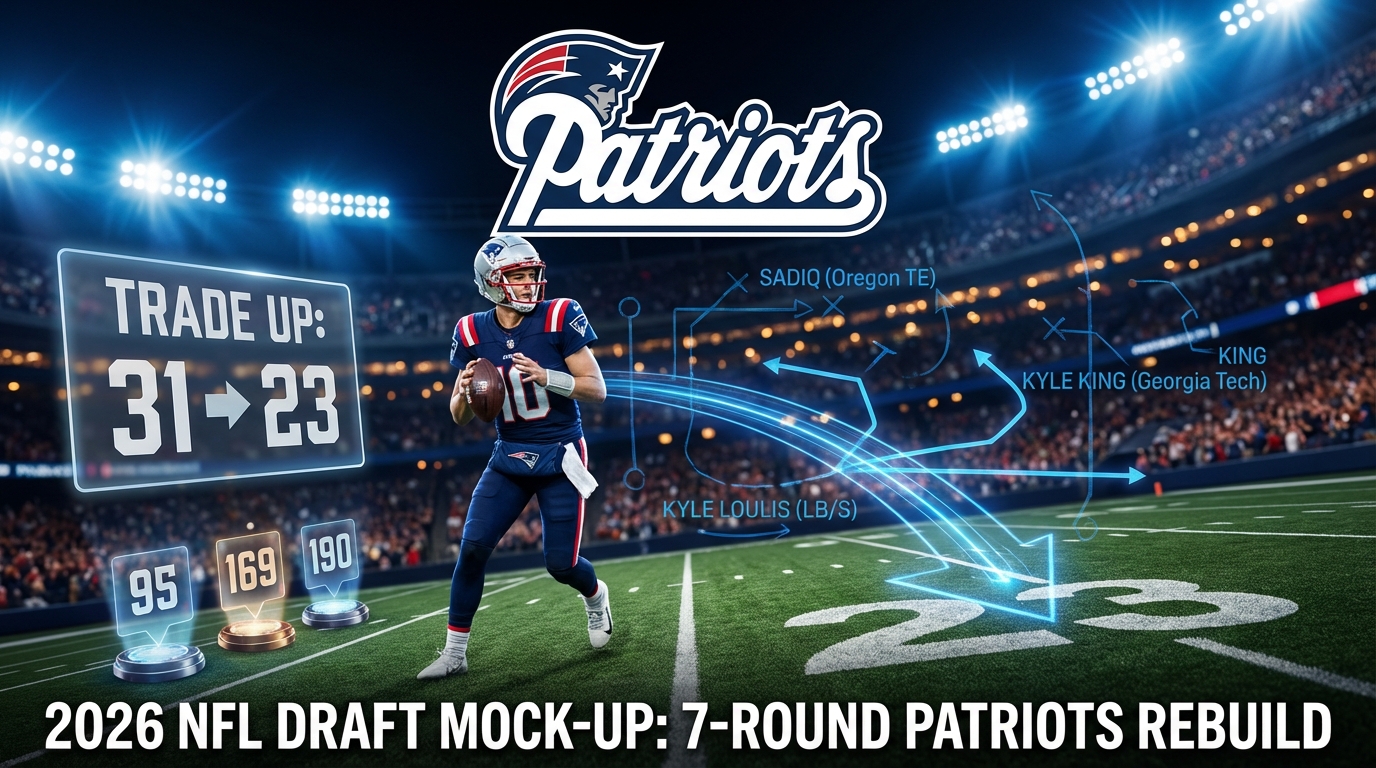
This bold move moves New England from pick 31 to pick 23 in round one. The Patriots send picks 31, 95, 169 and 190 to Philadelphia. It shows clear intent to chase impact players.
Optimistically, the front office targets a game-changing pass catcher for Drake Maye. They also aim to shore up hybrid roles and depth.
Strategically, the trade balances immediate need with long-term upside. Because the Patriots still boast a top defense, they can afford to add explosive offense. As a result, landing a tight end like Sadiq from Oregon would give Maye a reliable big-body target. Meanwhile, adding a Kyle Louis type would enhance second-level versatility.
Key Takeaways
- Immediate upgrade at receiver or tight end to aid Maye
- Increased roster versatility through a hybrid linebacker safety piece
- Depth picks sacrificed for higher draft capital, therefore a win now approach
- Long term upside if late-round developmental players hit
Overall, this mock trade-up signals an optimistic and analytical plan. It aims to accelerate competitiveness while keeping New England’s defensive identity intact.
Patriots trade up in 2026 7-round mock draft: trade specifics and strategic targets
The Patriots make a calculated sacrifice to move from pick 31 to pick 23. New England ships picks 31, 95, 169 and 190 to Philadelphia. This trade signals urgency to land a high-upside offensive weapon while preserving defensive identity.
Why this matters
- Moving up buys access to prospects who may not last to the low 30s. Therefore the team increases its chance to draft a game changer.
- Because the Patriots still field a top defense, the front office can bet on offensive additions without rebuilding the roster.
Key factual data
- Draft picks exchanged: 31, 95, 169, 190 to Philadelphia
- Sadiq (Oregon tight end): 51 receptions, 560 yards, 8 touchdowns this season
- Drake Maye: 23 years old, young quarterback with upside
- Patriots defense: 15 points per game allowed since the bye; 8.7 points per game in the playoffs
Primary targets and fit
Sadiq represents the archetype of a big slot tight end who can change the passing game. He creates mismatches in 12 personnel sets. As a result, pairing Sadiq with Drake Maye could jumpstart red zone efficiency and third down conversions. For reference, Sadiq’s volume and physical traits offer immediate starter-level snaps.
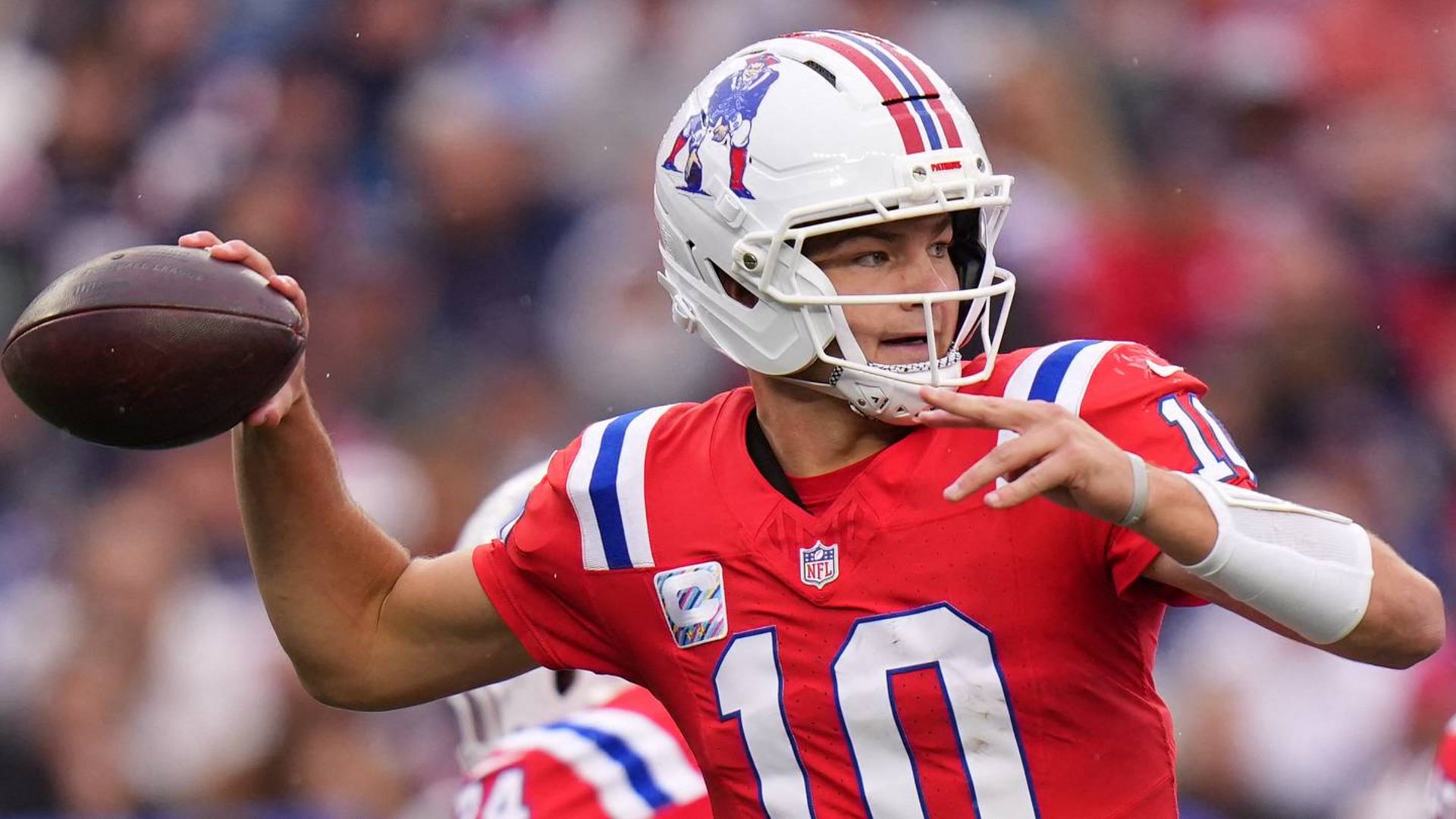
Drake Maye sits in a favorable situation. At 23 years old, he benefits from an upgrade in weapons. Adding a reliable tight end shortens his reads and improves quick-game production. Additionally, a dynamic tight end helps the Patriots run more play action and 12 personnel packages.
Secondary targets and roster balance
- Kyle Louis type: 225 pound hybrid linebacker safety with slot experience adds coverage versatility and special teams value
- Moore profile: situational pass rusher with pressure ability, useful on obvious pass downs and third down packages
- King (late round quarterback): rushing upside and special-teams or gadget role if needed
Strategic implications
This trade-up adopts a win-now tilt while balancing long-term upside. However, New England concedes depth in mid and late rounds. Therefore success depends on hit rate for day two and developmental scouting. For more on matchup implications and who benefits, see the deeper breakdown: patriotsreport.com breakdown.
Overall, the move prioritizes impact players over volume. It fits a Patriots blueprint that keeps defense elite and accelerates offensive progression through targeted additions like Sadiq and hybrid defenders.
| Player Name | Position | Key Stats | Age | Projected Role with the Patriots |
|---|---|---|---|---|
| Drake Maye | Quarterback | Young quarterback with upside; benefits from improved weapons and play action fits | 23 | Day one starter or long term franchise quarterback; fits play action and deep passing scheme |
| Sadiq (Oregon) | Tight end | 51 receptions, 560 yards, 8 touchdowns this season | N/A | Mismatch tight end, immediate red zone threat and 12 personnel focal point |
| Austin Hooper | Tight end | 21 receptions; played at least 50% snaps in 10 of 16 games | 32 | Veteran rotation tight end, short yardage target and blocker |
| Kyle Louis | Linebacker Safety hybrid | 225 pound hybrid with slot coverage experience and special teams upside | N/A | Second level versatility, slot coverage and ST contributor |
| King (Georgia Tech) | Quarterback | 36 rushing touchdowns over three seasons; 953 rushing yards this season; 5.2 yards per carry | N/A | Late round QB with rushing upside; potential Taysom Hill like role |
| Washington (RB) | Running back | 6 foot 2, 223 pounds; SEC bruiser projected as RB3 for 2026 | N/A | Power rotational back with special teams value and short yardage role |
Patriots trade up in 2026 7 round mock draft: defensive and offensive strategy implications
This trade up reshapes both sides of the ball. Offense gains a clear weapon while defense keeps its core strengths, which allows the front office to pursue targeted upgrades without a full rebuild.
Defensive implications
- Strong defensive performance since the bye gives roster flexibility and lets the team prioritize offense when the price is right.
- Adding a hybrid like Kyle Louis improves slot coverage, second level versatility, and disguise at the line of scrimmage.
- Investing in situational pass rushers raises pressure rates on third down and enhances short down efficiency.
Offensive implications
- Drafting a big tight end creates matchup problems in 12 personnel and boosts red zone scoring.
- Drake Maye benefits from shortened reads, more quick game options, and expanded play action concepts.
- Veteran pieces provide short yardage stability and blocking while younger targets develop.
Scheme adjustments and depth tradeoffs
- Trading picks 31, 95, 169 and 190 reduces mid and late round volume and raises the importance of day two scouting and development.
- Expect more play action, quick reads, and personnel packages that force linebackers into difficult choices.
- Hybrid defenders allow more nickel and dime alignments and varied pressure packages while protecting the run defense core.
In short, the move adds immediate offensive firepower for Drake Maye while preserving New England’s defensive identity and schematic versatility, balancing near term scoring upgrades with controlled long term risk.
This trade-up could reshape New England’s 2026 draft haul and accelerate the team’s rebuild.
By moving up to pick 23, the Patriots aim to pair a young quarterback with impact weapons. Because they traded picks 31, 95, 169 and 190, they sacrificed depth for top-end talent. As a result, the draft becomes a high-leverage play to help Drake Maye and the offense.
Defensively, the team keeps its elite core. Since the bye, New England has allowed 15 points per game. In the playoffs that number fell to 8.7 PPG. Therefore adding a hybrid like Kyle Louis enhances scheme versatility.
- Immediate upside with a weapon like Sadiq for the red zone and mismatches
- Veteran depth from players like Austin Hooper stabilizes short-yardage packages
- Developmental picks must hit to justify the depth sacrifice
Patriots Report LLC provided this analysis.
For ongoing coverage and deeper breakdowns, visit Patriots Report. Follow real-time updates on Twitter at Zach Gatsby’s Twitter.
We remain optimistic that this trade-up balances immediate wins with long-term upside.
Frequently Asked Questions (FAQs)
What is the Patriots trade up in 2026 7-round mock draft?
The proposed trade moves New England from pick 31 to pick 23 in round one. Because the Patriots value a specific top target, they send picks 31, 95, 169 and 190 to Philadelphia. In short, the move prioritizes top-end talent over mid and late round volume.
Which players could the Patriots target with the new pick?
Primary targets include big-bodied tight ends and hybrid defenders. For example, Sadiq offers 51 receptions, 560 yards, and 8 touchdowns this season. Additionally, Kyle Louis brings 225 pound hybrid size with slot coverage upside. As a result, these additions would create more matchup advantages for Drake Maye.
How does this trade affect Drake Maye and the quarterback room?
Drake Maye is 23 years old and benefits immediately from upgraded weapons. Adding a mismatch tight end shortens reads and improves the quick passing game. Also, Josh Dobbs and Tommy DeVito remain depth options while Maye develops.
What are the defensive strategy implications?
The Patriots allowed 15 points per game since the bye and 8.7 PPG in the playoffs. “The Patriots’ defense has, without a doubt, shown it is one of the league’s best,” notes the analysis. Therefore adding versatile defenders increases schematic flexibility without sacrificing core strength.
What are the trade risks and expected outcomes?
The main risk is lost depth after sending four picks. However, the expected outcome is an accelerated offense and more immediate wins. If day two and later picks hit, New England balances short term gain and long term upside.