Will Campbell post-injury form: Why his play will decide New England’s Super Bowl hopes
Will Campbell post-injury form has become one of the NFL’s most watched storylines. The No. 4 overall pick entered the postseason with promise, but injuries and matchup troubles have raised concerns. During the Patriots’ gritty playoff run they leaned on a top defense, yet the offense sputtered. Because of that imbalance, Campbell’s return to form matters more than ever.
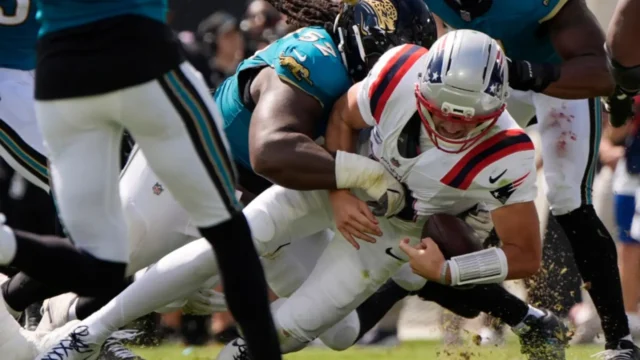
Campbell’s pass blocking grades and pressure rate dipped in the playoffs. He gave up three sacks early and showed a higher pressure rate than in the regular season. However, he rebounded in the AFC Championship and did not allow a sack versus Denver. Still, trends against elite pass rushers suggest inconsistency remains.
Patriots fans should watch how coaches adjust protection schemes and personnel. If the offensive line stabilizes, Drake Maye’s room to operate will improve. Otherwise, New England will struggle to score against the Seahawks’ aggressive front. Therefore, this piece analyzes Campbell’s film, health, and roster implications for the Super Bowl.
Will Campbell post-injury form: Statistical breakdown
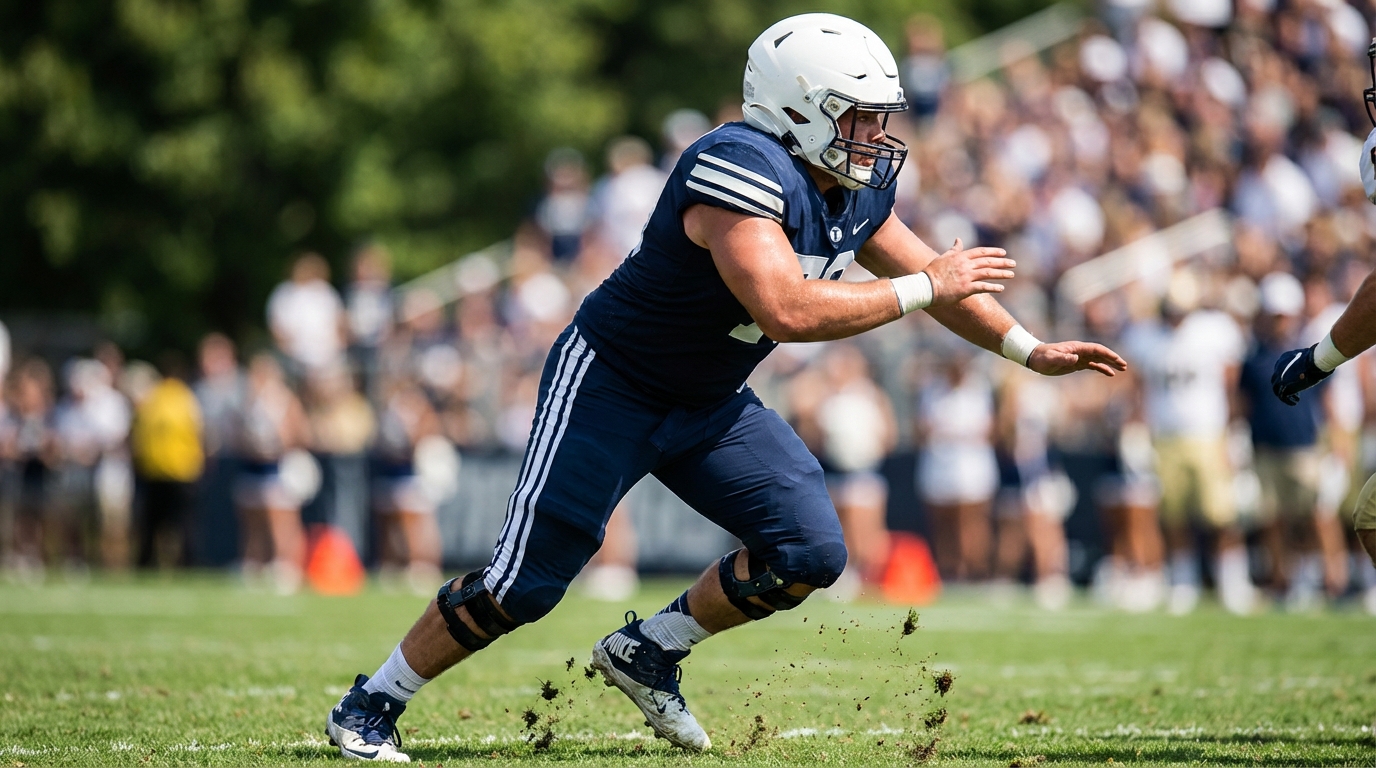
Will Campbell’s post-injury form shows a clear split between the regular season and playoffs. In the regular season he posted a lower pressure rate and fewer critical errors. However, in the playoffs Campbell’s numbers shifted, which created real questions about his ability against elite rushers.
Key playoff versus regular season metrics
- Playoff pressure rate 10.7% versus regular season 6.4%.
- Allowed three sacks in his first two playoff games.
- Recorded nine pressures in that two-game span, the most by any Patriot in a two-game stretch this season.
- Did not allow a sack in the AFC Championship versus Denver.
- Pass blocking grade 16.5, the worst Patriots mark since Isaiah Wynn in 2022.
- Patriots offense averaged 15.7 points per game over the last three games, indicating limited margin for error for blockers.
These stats create a pattern. Because elite edge rushers often win one-on-one matchups, Campbell’s higher pressure rate mattered. The Broncos exposed him early, yet he rebounded against Denver. Still, the trend against top pass rushers remains concerning. The Seahawks front features Demarcus Lawrence, Uchenna Nwosu, and Boye Mafe. In addition, defensive tackles Leonard Williams and Byron Murphy can collapse pockets.
Film study complements the numbers. Scouts noted foot speed and hand placement declined in some reps. Because of that, opponents got under his pads more often. One evaluator said, “A major issue has been sacks.” Another warned, “No matter how you slice it, Campbell and the offensive line will need to play much better if they want to compete in the Super Bowl.”
Will Campbell post-injury form: Matchup implications and next steps
Coaches must consider schematic remedies to limit Campbell’s exposure. For example, extra tight end help and quicker passing concepts can reduce long-developing rushes. Likewise, slide protections and chip techniques can mask remaining issues. Because the offense has been quiet, each play matters more than usual.
- Coaching must mask weaknesses with scheme adjustments and extra help.
- Consistent communication and quicker sets will reduce pressure opportunities.
- If Campbell returns to pre-injury form, the line can sustain longer drives and help Drake Maye.
Will Campbell post-injury form: Patriots offensive line sacks comparison
This table compares Patriots offensive line sacks before and after the midseason stretch. It highlights sacks, pressure rate trends, and games with six or more sacks allowed. Because the offensive line improved late, the team cut sacks per game nearly in half.
| Period | Weeks | Total sacks allowed | Sacks per game | Games with 6+ sacks allowed | Notes |
|---|---|---|---|---|---|
| Weeks 1-9 | 1 to 9 | 34 | 3.84 | 6 | Early stretch struggled. High sack frequency and pressure rate. |
| Weeks 10-16 | 10 to 16 | 13 | 1.94 | 0 | Marked improvement. Fewer sack games and better protection. |
Key related metrics and context
- Pressure rate trend: Regular season baseline 6.4% versus playoff 10.7%.
- Sacks mattered because the offense averaged just 15.7 points over the last three games.
- These sacks and pressure rate shifts show the offensive line must sustain improvement to help Drake Maye and the offense.
Use this table to visualize how sacks, pressure rate, and overall offensive line play changed after the midseason period. Coaches still need to mask any remaining weaknesses in Will Campbell post-injury form with schematic help and personnel adjustments.
Will Campbell post-injury form: Roster and strategy implications
Will Campbell post-injury form forces immediate roster and schematic decisions. The Patriots must weigh short-term protection versus long-term development. Because the Super Bowl matchup features a strong Seattle front, coaches cannot ignore Campbell’s recent inconsistencies.
The context is stark. “The defense has been nothing short of elite during their playoff run.” However, “The offense, however, has been an issue.” The offense averaged 15.7 points per game over its last three outings. Therefore, offensive line play takes on outsized importance.
Why Campbell’s status matters
- Campbell is the No. 4 overall pick and a projected foundation piece for the offensive line.
- His pass blocking grade fell to a 16.5 mark, the worst Patriots figure since Isaiah Wynn in 2022.
- Playoff pressure rate rose to 10.7% from 6.4% in the regular season.
- Because he allowed three sacks early in the playoffs, the unit felt pressure in critical moments.
Matchup risks against Seattle
The Seahawks present a violent pass rush. Players like Demarcus Lawrence, Uchenna Nwosu, and Boye Mafe can create mismatches. In addition, tackles Leonard Williams and Byron Murphy collapse pockets. “The Seahawks pass rush isn’t as good as the Broncos’, but it’s still one of the best in the league.” As a result, Campbell will face frequent one-on-one tests.
Practical roster moves and strategy
- Use extra tight end or running back chips to limit edge threats.
- Employ quicker passing concepts to shorten Drake Maye’s reads.
- Rotate linemen in passing situations to keep Campbell fresh and reduce exposure.
- Consider slide protection to help mask any lingering mobility or mechanical issues.
Longer term, the team faces a tradeoff. Invest in Campbell’s rehab and coaching, or add veteran help to protect Drake Maye. Coaches must act because, as one source put it, “A major issue has been sacks.” More bluntly, “No matter how you slice it, Campbell and the offensive line will need to play much better if they want to compete in the Super Bowl.”
Conclusion: The urgency of Will Campbell post-injury form
Will Campbell post-injury form is now a decisive factor for New England. The playoffs exposed both his vulnerabilities and his upside. Because his playoff pressure rate jumped to 10.7% from a 6.4% regular season baseline, the margin for error is tiny. The offensive line must protect more consistently, or Drake Maye will face a constant uphill battle.
The evidence is clear. Campbell allowed three sacks early in the postseason and posted a 16.5 pass blocking grade. However, he did not allow a sack in the AFC Championship. Therefore, inconsistency—not just injury—drives the concern. Coaches must choose between masking weaknesses with scheme or adding veteran help. As a result, roster moves and protection plans will shape the Patriots’ Super Bowl game plan.
In short, improvement is urgent. The defense carried New England into the title game, yet the offense averaged only 15.7 points recently. If Campbell and the offensive line do not raise their level, the Patriots will struggle against Seattle’s formidable pass rush. Patriots Report LLC will continue coverage and analysis at patriotsreport.com. Follow updates and commentary on Twitter.
Frequently Asked Questions about Will Campbell post-injury form
What does Will Campbell post-injury form mean?
Will Campbell post-injury form refers to his performance after returning from injury. It includes pass blocking grades, pressure rate, and sack allowances. Because those metrics changed in the playoffs, analysts flag inconsistency.
How has his form affected the Patriots offense?
His struggles raised the unit’s pressure rate to 10.7% in the postseason. As a result, the offense averaged only 15.7 points over three games. Therefore, Drake Maye faced tighter windows and more disruptive rushes.
Can coaching changes and scheme hide weaknesses?
Yes, to some extent. Coaches can add chip blocks, slide protection, and quicker passing concepts. However, those fixes buy time rather than fix underlying technique or mobility concerns.
Are other rookies or veterans ready to step in?
The roster contains depth, but Campbell remains the projected long-term starter. Still, the team can rotate linemen in passing sets and add veteran help if needed for the Super Bowl.
What should fans watch in the Super Bowl?
Watch Campbell’s footwork, hand placement, and how often he needs extra help. Also track sacks, pressure rate, and quick passing plays. Those signs will show whether his post-injury form improved.