Patriots Maxx Crosby trade: A high stakes calculation
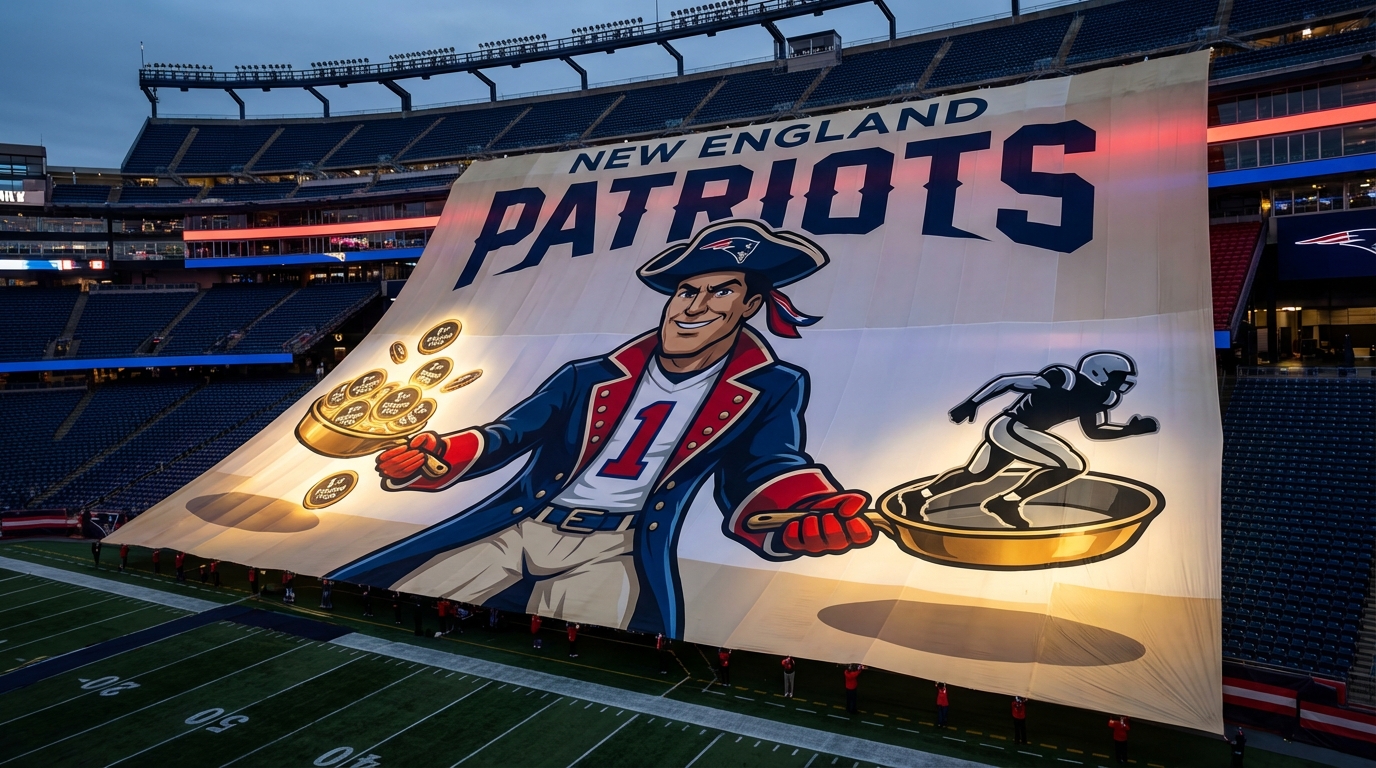
The Patriots Maxx Crosby trade proposal forces a hard choice for New England. On one hand, Crosby brings proven pass rush production and game changing pressure.
However, the deal would cost premium draft capital and long term salary flexibility. We must weigh clear upside against real risk.
Crosby recorded 10 sacks, 28 tackles for loss, and several impact plays in 2025. Yet he turns 29 this summer and carries two years left on a large contract.
Because the Patriots rely on drafting, trading future firsts could hurt roster building. Therefore, this introduction will examine the trade’s costs and benefits.
We will analyze roster fit and cap implications. We will then assess whether one star can move the needle enough to justify the price.
As a result, readers should expect cautious, evidence based takes. They will emphasize long term team health over short term splash moves.

Risks of the Patriots Maxx Crosby trade
Acquiring Maxx Crosby would deliver an elite pass rusher. However, that upside comes with clear, measurable risks. Crosby recorded 73 tackles, 28 tackles for loss, 10 sacks, two forced fumbles, and an interception in 2025. Because he will turn 29 this summer and has two years left on a three year, $106.5 million contract, New England would inherit heavy short term and medium term cap obligations. The contract detail raises questions about paying a high cap number into Crosby’s thirties.
Trading for Crosby would likely cost premium draft capital. For example, a Parsons style package has been discussed that includes 2026 and 2027 first round picks plus Kenny Clark. Alternatively, other offers reportedly include first rounders and high picks like Shemar Stewart or 2027 and 2026 picks. Therefore, New England risks depleting the draft assets it needs to build around Drake Maye and other young players.
There is also roster risk. The Patriots ranked tied for 22nd in sacks per game in 2025. Adding Crosby could boost pressure rates, but it may not fix schematic problems. As one voice in the debate warned, “That’s just too many assets for New England to forfeit in exchange for a single player, despite Crosby’s undeniable talent and the Patriots’ glaring need for a star pass rusher.” In short, the trade would swap future flexibility for present production.
Rewards of the Patriots Maxx Crosby trade
Crosby brings proven production and disruptive playmaking ability. He is a four time Pro Bowler, and he consistently pressures quarterbacks. As a result, he could immediately lift the Patriots pass rush and help the run defense.
Adding Crosby could change the opponent game plan. Teams might chip him and keep extra protection. Thus, he could create more one on one chances for other defenders. Moreover, a top edge rusher can shorten drives and create turnover chances.
Draft capital, cap implications, and competitive outlook
If New England trades premium picks, it could limit future roster upgrades. The Colts example looms large. They traded heavy capital for Sauce Gardner and then missed the playoffs at 8 and 9. Similarly, critics say, “We’ve already seen during the 2025 campaign alone how moving premium draft capital for a single player can go wrong fast in the NFL.” Because the Patriots must also manage impending mega deals for Drake Maye and possibly Christian Gonzalez, taking on Crosby’s contract would complicate long term planning.
On the other hand, supporters point to Crosby’s consistent wins above replacement as proof he moves the needle. “Maxx Crosby’s Raiders future is also being questioned around the league,” one report said, “Many believe Las Vegas will be open to moving its star pass rusher if the relationship remains at an impasse, allowing Crosby, who will turn 29 this summer, an opportunity to compete on a team built to win now.” If New England wants to compete immediately in the AFC, Crosby gives them a better chance.
In the end, the trade presents a classic win now versus build later dilemma. New England must balance immediate competitiveness against long term roster health, because the cost of a single star can be far greater than his on field value.
| Team or Source | Picks included | Players involved | Conditions or notes | Trade risk |
|---|---|---|---|---|
| Cowboys-style (Parsons model) | 2026 first-round pick, 2027 first-round pick | Kenny Clark | Mirrors the Cowboys-Parsons framework; massive future capital exchange | Very high |
| Bengals reported offer | 2025 17th overall pick (Shemar Stewart), 2027 first-round pick, 2026 second-round pick | None specified | Mixes immediate and future picks; targets both prospect and future flexibility | High |
| Patriots rumored option A | Two first-round picks | Anfernee Jennings | Aggressive New England proposal discussed in trade chatter | Very high |
| Patriots rumored option B | One first-round pick plus a second or third and late-round compensation | Possibly Christian Barmore | A more moderate package that still sacrifices draft capital | High |
Alternative approaches to upgrading the Patriots defense
Trading for Maxx Crosby would be dramatic. However, New England has other, less costly options. Because the team must protect future draft capital, exploring alternatives makes sense.
Target internal development
- Invest in coaching and scheme tweaks to increase pressure rates quickly. Short term coaching moves can pay dividends because they often cost less than trades.
- Prioritize high value edge and interior developmental players in the middle rounds. As a result, the Patriots can improve depth without sacrificing first round picks.
Shop the mid tier market
- Pursue established veterans available for modest compensation instead of a blockbuster. For example, teams often trade veterans for mid round picks or salary relief.
- Sign proven free agents on one or two year deals. This approach limits long term cap exposure, and it gives New England flexibility for Maye and Christian Gonzalez’s future contracts.
Use draft capital selectively
- Keep at least one premium pick to build around Drake Maye. Otherwise, the team risks imbalancing the roster long term.
- Consider packaging lower firsts and high seconds to acquire multiple players. This spreads risk and increases the chance of finding contributors.
Learn from recent high cost trades
- The Sauce Gardner example shows that trading premium picks can fail to deliver immediate success. The Colts spent top picks and still finished 8 and 9.
- Therefore, New England should be cautious because it may still need to pay mega deals to retain core offensive talent.
A blended strategy often makes the most sense. Adopt measured trades, targeted free agent signings, and smart drafting. That path improves the defense, while preserving the draft capital needed to protect the team’s future.
Conclusion
After weighing the evidence, the Patriots Maxx Crosby trade remains high risk and potentially high reward. Crosby offers proven pass rush production, but New England would give up premium draft capital and cap flexibility. Because the team must also plan for Drake Maye and Christian Gonzalez, the timing matters.
Therefore, the safest approach prioritizes measured upgrades. Trade only if the price is limited and the contract can be managed. Otherwise pursue mixed strategies that blend coaching, select free agents, and targeted draft picks.
Moreover, recent high cost moves show caution is wise. The Sauce Gardner trade and similar deals produced mixed results. As a result, one elite addition may not guarantee a better season.
In short, New England faces a clear trade off. Decisions should weigh immediate impact against long term roster health.
For ongoing coverage, Patriots Report LLC provides deeper analysis and updates. Visit Patriots Report for full coverage and read related pieces at this article and this article. Follow X for fast breaking notes.
Frequently Asked Questions (FAQs)
What would the Patriots Maxx Crosby trade likely cost?
Most reports suggest a package that includes multiple first round picks. For example, a Parsons style deal would be two future firsts plus a high value player. Other offers reportedly mix firsts and seconds, or prospects like Shemar Stewart. Therefore the cost is premium draft capital and likely one or more roster pieces.
How would Crosby impact the Patriots defense on the field?
Maxx Crosby brings consistent pressure and playmaking. He recorded 73 tackles, 28 tackles for loss, and 10 sacks in 2025. As a result, he can boost pass rush rates and create more turnover chances. However, scheme fit and supporting defenders matter, because one star cannot fix every structural issue.
What are the contract and age concerns with Crosby?
Crosby will turn 29 this summer and has two years left on a three year, $106.5 million contract. Therefore New England would inherit significant short term cap charges. As a result, the team could face paying him into his thirties while needing to sign core players later.
Are there safer alternatives than a blockbuster trade?
Yes. New England can prioritize coaching fixes, targeted free agents, and selective draft picks. Also, trading for mid tier veterans or packaging lower firsts and high seconds spreads risk. This blended approach preserves draft capital for Drake Maye and future re-signings.
Will a Crosby trade guarantee playoff success?
No. Past big ticket moves like Sauce Gardner produced mixed outcomes. Trading premium picks raises risk, and one elite addition does not guarantee team success. Therefore weigh immediate upside against long term roster health.