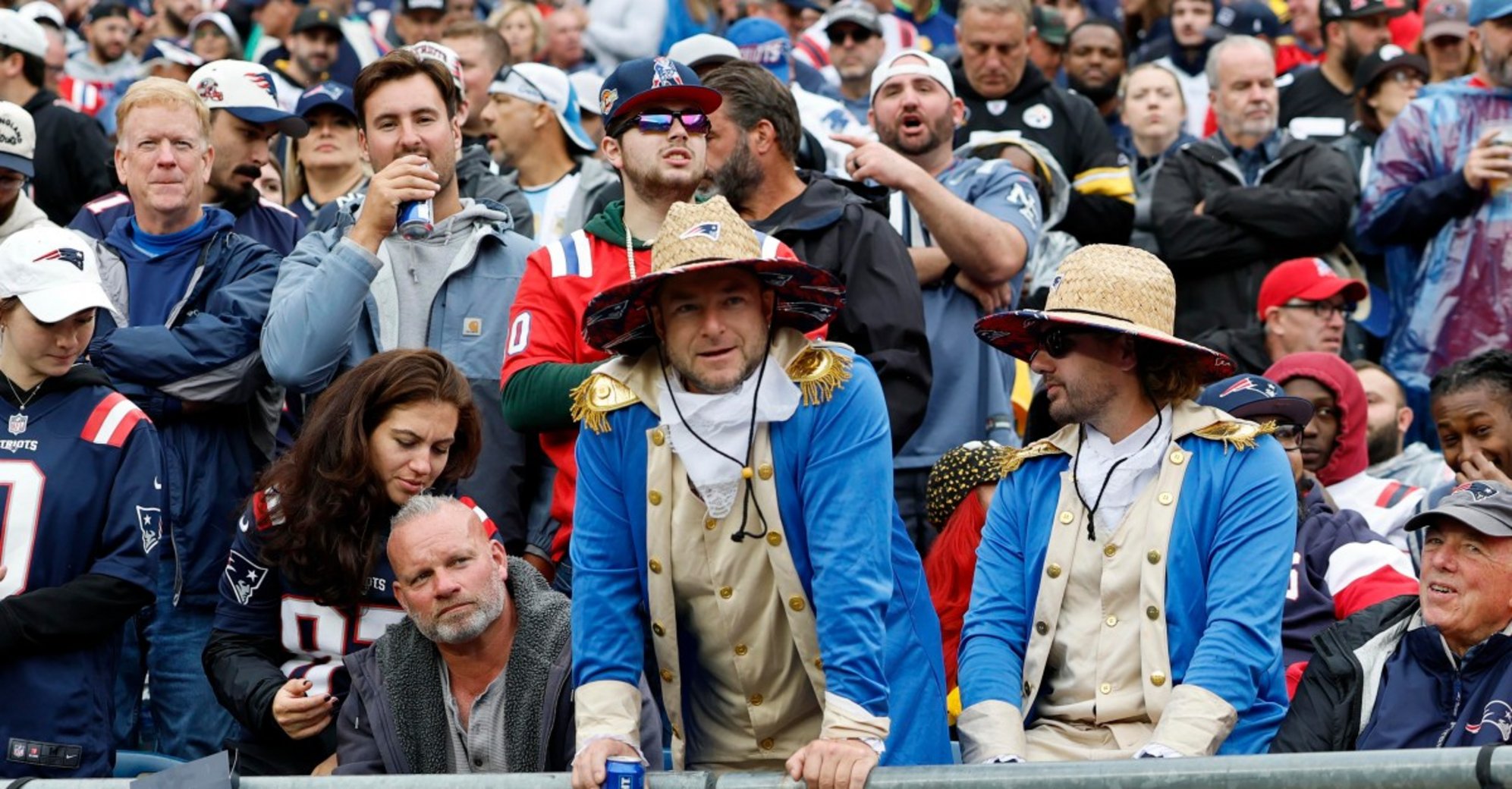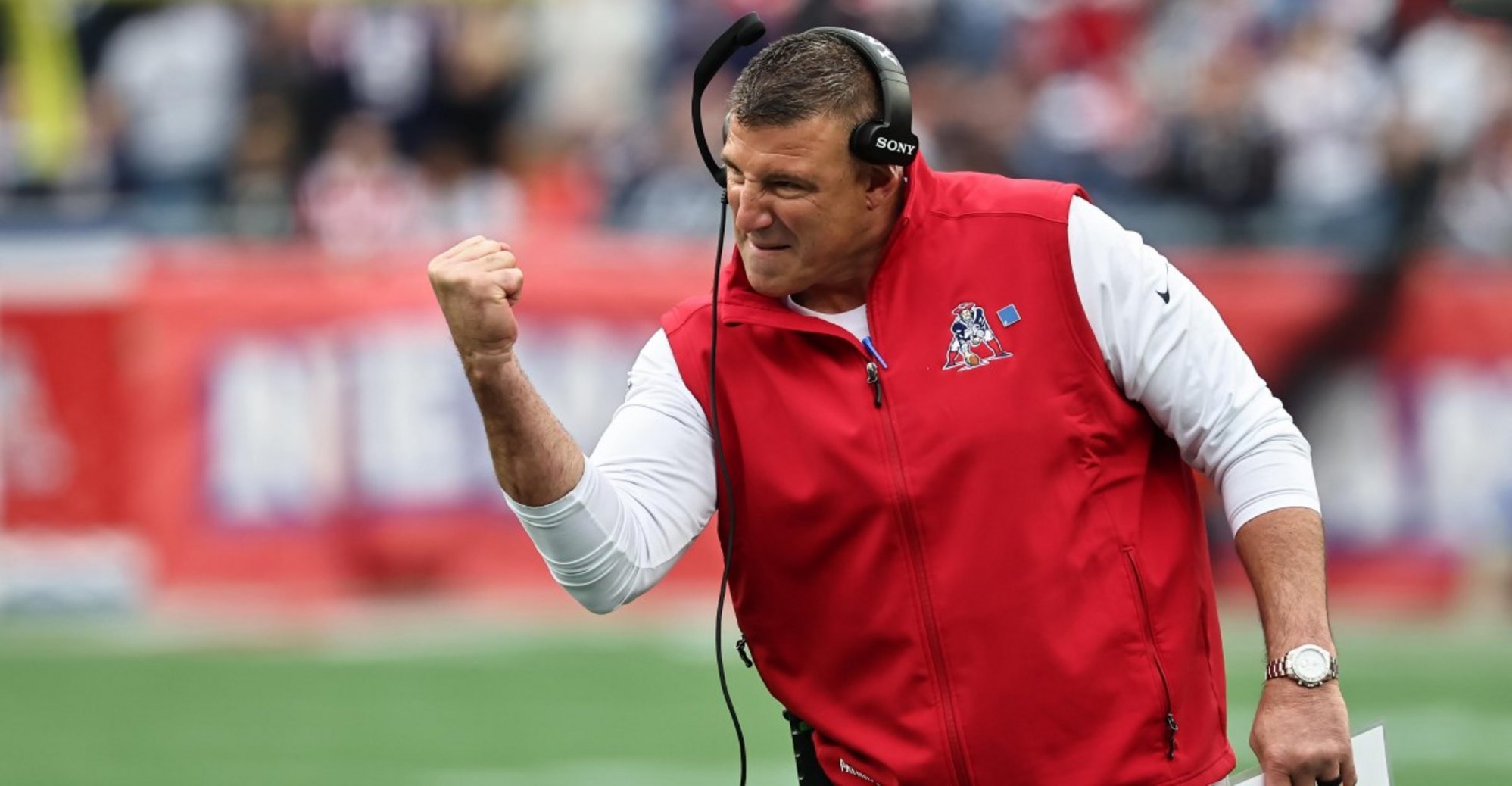
Drake Maye Madden Rating Controversy
Drake Maye Madden rating controversy ignited after Madden NFL 26 gave him a 94 overall rating. Fans exploded on social media because the number felt too high for a young quarterback. However, the debate goes beyond a simple number and taps into fan bias and narrative. EA’s metrics rewarded Maye’s accuracy and decision-making, yet opposing fans dismissed the metrics as unfair.
As a result, Madden’s quarterback ratings have become a proxy for broader NFL arguments. This piece breaks down why his short accuracy and overall grade drew such passionate reactions. We compare Maye’s 94 to peers, explain Madden’s methodology, and flag where fans misread numbers. Because Maye led his team with strong completion rates and rushing yards, the rating feels grounded in stats.
But fandom amplifies doubt, and rival supporters often cast ratings as favoritism. Meanwhile, gamers debate whether a preseason 78 should matter compared to a midseason 94 surge. Read on as we unpack the Drake Maye Madden rating controversy, examine fan bias, and judge the rating fairly.

Analysis: Drake Maye Madden rating controversy, and why fans reacted
The Drake Maye Madden rating controversy centers on EA awarding Maye a 94 overall in Madden NFL 26. Fans reacted because the number vaulted a young quarterback into elite company. However, the outrage reflects more than raw ratings. It exposes fan bias, narrative framing, and skepticism about Madden’s metrics.
Maye’s numbers give context. He finished with just under 4,400 passing yards. He added 35 touchdowns and eight interceptions, plus 450 rushing yards. Moreover, Madden credited him with 96 short accuracy and a high completion metric. Therefore, EA’s algorithm rewarded tangible performance.
Still, critics pushed back. Some fans argued the Patriots benefited from a weak schedule. Others said preseason expectations mattered more than a midseason surge. As one voice put it, “With being great comes hate, and Maye’s doubters have started to become more prominent.” Meanwhile, rival supporters claimed EA showed favoritism.
Common fan sentiments and critiques
- Supportive fans praised the 72 percent completion rate. They highlighted Maye leading New England to a 14-3 record. They pointed to clinching the No. 2 seed with a 38-10 win over the Dolphins.
- Skeptical fans questioned strength of schedule and sample size. They compared Maye to peers such as Caleb Williams and Bo Nix, who sit in the low 80s.
- Neutral analysts focused on Madden’s methodology. They compared Maye to top quarterbacks like Josh Allen, Matthew Stafford, and Joe Burrow to judge context.
Because fandom skews interpretation, ratings become proxy debates. Therefore, the controversy reveals as much about fans as it does about Madden’s numbers.
Comparison table: Drake Maye Madden rating controversy — top quarterbacks and 2024 draft peers
| Player | Team or Class | Overall rating | Short accuracy | Completion rate | Touchdowns | Notes |
|---|---|---|---|---|---|---|
| Drake Maye | New England Patriots | 94 | 96 | 72% | 35 | Highest rated player in his draft class; preseason 78 to 94 |
| Josh Allen | Buffalo Bills | 99 | – | – | – | Top QB in Madden NFL 26 |
| Matthew Stafford | Los Angeles Rams | 98 | – | – | – | Elite veteran rating |
| Joe Burrow | Cincinnati Bengals | 96 | – | – | – | Among top four QBs |
| Caleb Williams | 2024 draft peer | 82 | – | – | – | Draft class quarterback |
| Bo Nix | 2024 draft peer | 82 | – | – | – | Draft class quarterback |
| Jayden Daniels | 2024 draft peer | 80 | – | – | – | Draft class quarterback |
| Michael Penix | 2024 draft peer | 72 | – | – | – | Draft class quarterback |
| J.J. McCarthy | 2024 draft peer | 71 | – | – | – | Draft class quarterback |
This table shows why the Drake Maye Madden rating controversy gained traction. Maye’s 94 and 96 short accuracy stand out. However, his draft peers sit much lower. Therefore, critics argue Madden overvalued him. Supporters point to 4,400 passing yards and a 14-3 record. Because numbers favor Maye, the debate centers on interpretation not raw data.
Insights: Fan bias and schedule strength shape the Drake Maye Madden rating controversy
Perception drives outrage more than raw numbers. Fans see a Patriots quarterback with an overall rating of 94. Therefore, many expect scrutiny. Critics point to New England’s less-than-elite schedule as proof the rating inflated Maye’s value.
Because schedule strength matters, skeptics argue results came against softer opponents. They claim a 72 percent completion rate and 4,400 passing yards look different against top defenses. Meanwhile, supporters counter that 35 touchdowns and 450 rushing yards show real playmaking ability. As a result, debates became emotional, not analytical.
Common fan reactions
- Defensive stance: Opposing fans say Madden overvalues Maye due to schedule strength concerns. They often invoke the phrase less-than-elite schedule to dismiss his 94.
- Offensive praise: Patriots fans highlight short accuracy of 96 and the team’s 14-3 record. They insist Madden NFL 26 simply reflects on-field performance.
- Analytical middle ground: Neutral voices call for context, citing matchup data and strength of schedule metrics.
Bias inflates signals. When a high rating appears, fans filter facts through allegiance. Therefore, numbers like short accuracy 96 become cultural symbols, not just metrics. Critics label the rating favoritism, while supporters point to Madden’s algorithm and Maye’s stats.
In short, the debate reveals more about fandom than football. Because perception shapes how we read Madden NFL 26, the Drake Maye Madden rating controversy will persist.
Conclusion: Drake Maye Madden Rating Controversy and What It Means
The Drake Maye Madden rating controversy highlights a clash between numbers and narrative. Maye’s on-field resume is strong: just under 4,400 passing yards, 35 touchdowns to eight interceptions, 450 rushing yards, and a 72 percent completion rate. Consequently, Madden NFL 26 gave him a 94 overall and 96 short accuracy. Those metrics explain EA’s decision.
However, fan bias shaped the reaction. Opposing fans questioned schedule strength and dismissed the rating as favoritism. Meanwhile, Patriots supporters pointed to Maye leading New England to a 14-3 record and clinching the No. 2 seed. Therefore, outrage often reflected allegiance more than analysis.
In short, the debate says more about fandom than football. Because ratings mix objective stats and model assumptions, they invite emotion and interpretation. As a result, the Drake Maye Madden rating controversy will keep fans talking.
For more Patriots coverage and to join the conversation, visit Patriots Report LLC and follow on Twitter X at Zach Gatsby. Engage with us, share your take, and keep the debate alive.
FAQs: Drake Maye Madden rating controversy
What rating did Madden give Drake Maye and why?
Madden NFL 26 lists Maye at a 94 overall with 96 short accuracy. EA rewarded his accuracy and decision-making because of strong season stats. He posted just under 4,400 passing yards, 35 touchdowns, eight interceptions, and 450 rushing yards. Therefore, the overall rating mirrors on-field production and metrics like completion rate.
How does Maye compare to top quarterbacks and his draft peers?
Maye ranks below elites such as Josh Allen 99, Matthew Stafford 98, and Joe Burrow 96. However, he towers over 2024 peers. For example, Caleb Williams and Bo Nix sit around 82. As a result, Maye stands out within his draft class.
Why did fans react so strongly to this rating?
Fans reacted because ratings touch identity and rivalry. Opposing fans cite New England’s less-than-elite schedule to downplay his 94. Meanwhile, Patriots supporters point to a 72 percent completion rate and a 14-3 team record. Thus, emotion fueled the debate.
Does Madden’s methodology justify the rating?
Madden uses a mix of real stats and internal attribute models. It weighs accuracy, short passing, and situational play. Therefore, the 96 short accuracy and the high completion rate help justify Maye’s grade.
How should readers interpret this controversy?
Treat Madden ratings as snapshots, not verdicts. Use them to spark debate, and then check the tape. Meanwhile, weigh stats, schedule strength, and game context before forming a final view.