
Is the 18-game NFL season worth the risk?
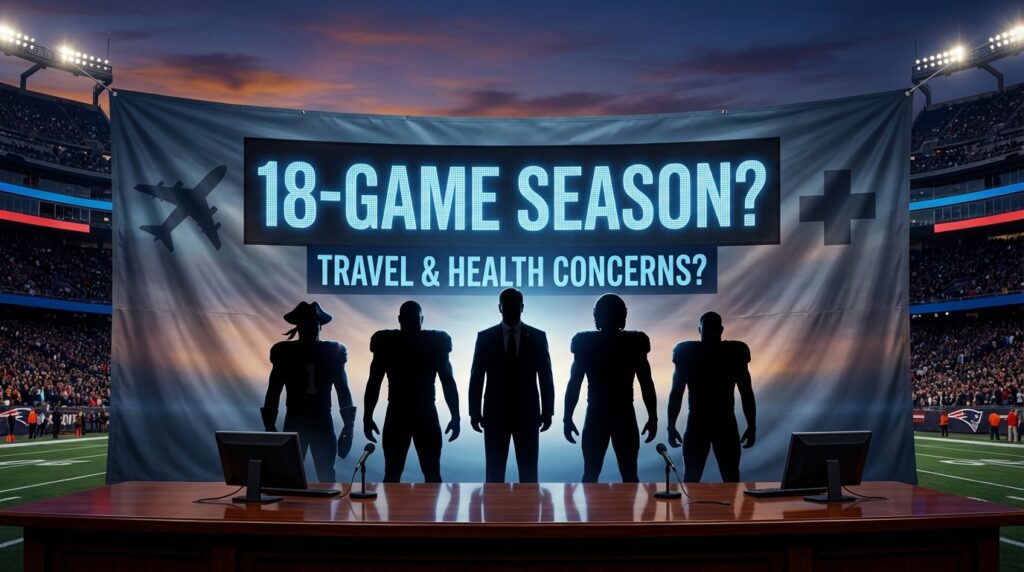
The debate over an 18-game NFL season has reignited fierce controversy across the league. Owners argue extra games will boost revenue and fan engagement, and some, like Robert Kraft, propose tradeoffs such as trimming preseason games to two while adding a second bye week, while broadcasters eye expanded windows and sponsors covet more prime-time inventory, yet players and health experts warn of greater cumulative wear and higher injury risk.
However, many players and analysts say profit motives risk player safety and long careers. As Roger Goodell explores logistics and owner proposals surface, critics point to the travel implications of more international games, the strain of an 18th game on bodies already facing heavy contact, and the limited evidence that extra regular season contests truly improve competitive balance. Skeptics question whether expansion truly benefits fans and smaller-market teams.
Therefore, this analysis will untangle owner incentives, player pushback, and the medical concerns fueling the controversy.
Owner Proposals for an 18-game NFL season
Owners frame an 18-game NFL season as a way to grow revenue and fan attention. They argue an extra 18th game brings more prime time slots and more playoff interest. However critics say the move mainly increases owner income. Therefore the proposal raises questions about competitive balance and smaller market teams.
18-game NFL season: Kraft’s conditions and Goodell’s review
Robert Kraft has publicly supported adding a regular season contest under conditions. He suggests reducing preseason from three games to two, adding a second bye week, and having each team play one international game per year. These tradeoffs aim to ease player wear but add travel and scheduling strain. Meanwhile Roger Goodell has said he will study the logistics and timeline of an 18th game. His review will cover revenue splits, broadcast windows, and player safety measures. For further context see Patriots Report coverage at Patriots Report coverage.
Critically the Kraft plan still creates more contacts per season. As a result medical experts and player reps worry about cumulative trauma. The international game idea also raises travel fatigue concerns. For league perspective visit the NFL site and for player union positions see the NFL Players Association.
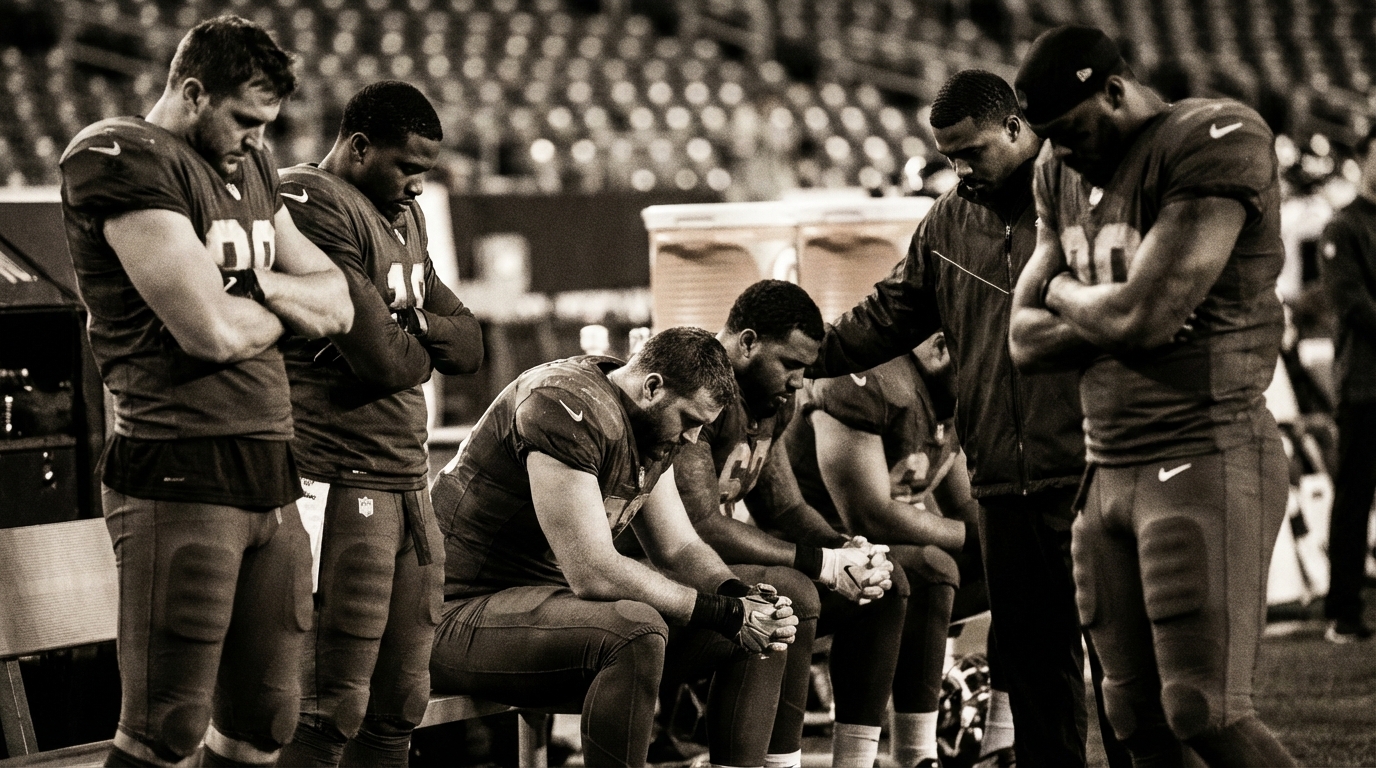
Player Health and Safety Concerns
Adding an 18-game NFL season raises clear health and safety alarms. Players would face more full-contact practices and games each year. Therefore medical staff and trainers predict higher short-term injury rates.
Immediate injury risk becomes more likely as collisions increase. Coaches may change load management, but contact still rises. As a result players could miss more games from acute injuries.
Long-term wear matters even more because repeated collisions add up. Taylor Kyles put the skepticism plainly: “It’s only greed…It’s already facing so much backlash because of the long-term effects and everything…I hate it…Do I think there’s any chance this doesn’t happen? I think it’s very small.” Many analysts echo his concern about chronic pain and neurological decline.
International games amplify risk through travel and fatigue. For example cross ocean flights disrupt sleep and recovery windows. Consequently teams that play abroad may face worse injury outcomes later in the season.
The combined effect is cumulative trauma, not just single injuries. Therefore expanding to an 18th game demands strong evidence that benefits outweigh harm. Until impartial studies show safety gains, players and health experts will remain rightly wary.
Comparison: Current vs Proposed Season Structures
| Feature | Current format (16-game regular season) | Proposed format (18-game NFL season) |
|---|---|---|
| Regular season games | 16 games per team over 17 weeks (one bye). | 18 games per team; likely 18 to 19 weeks depending on added bye. |
| Preseason games | Three preseason games common under current model. | Kraft proposal: reduce preseason to two games to offset game load. |
| Bye weeks | One bye week per team. | Proposal adds a second bye week for recovery between games. |
| International games | Occasional international assignments for select teams. | Kraft suggested each team play one international game per year, increasing travel. |
| Player contact exposures | Lower cumulative contacts than 18; players face high-contact load regardless. | Two extra regular-season games increase cumulative collisions and repetitions. |
| Travel burden | Mostly domestic travel; occasional long flights for international games. | Regular international scheduling raises jet lag, sleep disruption, and fatigue. |
| Player health impact factors | Acute injuries, chronic wear, concussion risk, recovery windows. | Higher short-term injury risk, greater long-term wear, more recovery strain, potential neurological concerns. |
| Season length and scheduling | 17 weeks in-season calendar with playoffs unchanged. | Season would extend; scheduling complexity rises for byes and international weeks. |
| Revenue and competitive effects | Current revenue shared under existing CBA split. | Owners expect higher revenue and more broadcast inventory; players question fairness and safety. |
The 18-game NFL season debate boils down to tradeoffs between revenue and safety. Owners highlight extra income and more broadcast inventory, while players warn of added risk.
However the divide is stark because medical experts and veterans see more repeated collisions. Taylor Kyles summarized player skepticism bluntly when he called the push primarily about greed. Therefore skepticism persists about whether small scheduling tweaks will offset long-term harm.
Moreover international games and extra travel complicate recovery windows. As a result teams that cross time zones may face worse injury curves and disrupted sleep cycles.
In short, the proposed 18-game change would shift incentives and risks across the league. Patriots Report LLC will keep covering developments closely. Visit Patriots Report LLC and follow on Twitter at @ZachGatsby for updates and analysis.
Frequently Asked Questions (FAQs)
What is the 18-game NFL season proposal?
Add two regular-season games while trimming preseason and adding a second bye. Robert Kraft has also proposed one international game per team each year.
Short explanation: The plan targets more broadcast inventory, higher revenue, and expanded international reach. Changes would affect scheduling, travel, and collective bargaining agreement negotiations.
Why do owners support this change?
Owners expect increased media rights value and more prime-time matchups.
Short explanation: More games create extra ad inventory and ticket revenue. Critics counter that expanded schedules primarily boost owner income rather than competitive balance.
Why are players and medical experts pushing back?
They cite higher acute injury rates and greater long-term wear such as chronic pain and neurological risk.
Short explanation: Two extra high-contact games raise cumulative contact exposures. Player safety, concussion management, and adequate compensation are central concerns.
How would international games affect teams?
Regular international play adds long flights, jet lag, and disrupted recovery routines.
Short explanation: Travel fatigue can impair sleep, conditioning, and injury recovery. Teams may need revised load management and medical protocols.
What should fans expect if the NFL adopts 18 games?
Expect a longer regular season, fewer preseason games, and more prime-time matchups, subject to CBA approval.
Short explanation: Any change requires agreement with the players union and could alter playoff timing, scheduling complexity, and fan viewing patterns.